On February, 28, 1999, 15-year-old Rachel Barber, a student at the Melbourne Dance Factory, received a phone call.
On the other end of the line was Caroline Reed Robertson, a 19-year-old young woman who had previously worked as the Barber family’s babysitter. Robertson told Rachel she could earn $100 by participating in a psychological study.
She said that Rachel should come over to her apartment after dance classes to do the study, but on condition that she did not tell anyone. The reason was that it would supposedly compromise the results of this research.
Rachel did tell her boyfriend, 15-year-old Emmanuel Carella, that there was a well-paying job lined up. She also told a few friends about an opportunity, but didn’t mention Robertson or any other specifics.
On March 1st, Robertson led Rachel to her flat in Melbourne. Under the guise of beginning the research, she told Rachel to meditate on happy or pleasant things. As the teen closed her eyes and relaxed, Robertson wrapped a telephone cord around her neck and strangled Rachel to death.
Robertson then shoved the girl’s body into a wardrobe and kept it there. The presence of the body complicated things for her as she had to deal with the decomposition and unwanted visitors.
After two days, Robertson wrapped the body in two rugs and hired a taxi to take her to her father’s farm in Kilmore. She claimed to be transporting a statue.
When she got there, Robertson buried Rachel in the family pet cemetery. After two weeks, Rachel’s body was found in a shallow grave after Robertson’s confession.
The Murderer, Caroline Reed Robertson
Robertson was never popular as a child and constantly struggled with low self-esteem. She once reportedly painted a portrait of herself, which was completely black.
Her journals go back to when she was 14, entailing drawings and harsh words she spoke to herself. One of the entries stated, “I don’t belong anywhere in this crazy world because I’m ugly, obese, pizza face, white worm, massive nose, and just plain weird.”
Later, Robertson would write about Rachel, describing her as an attractive girl with beautiful green eyes. This was in contrast to how she saw herself, claiming she had a ‘pizza face’ with oily brown hair and no coordination.
As a teen, Robertson had grown up near the Barbers. She earned their trust over time and developed a disturbing obsession with Rachel. She often stalked her from a distance and, over time, gained her trust.
She also won the parents’ confidence and became the babysitter for Ashley Rose and Heather. However, getting closer to Rachel only made it worse as the envy now consumed Robertson. She had to kill Rachel and live her life.
The Plan to Kill Rachel and Take Her Identity
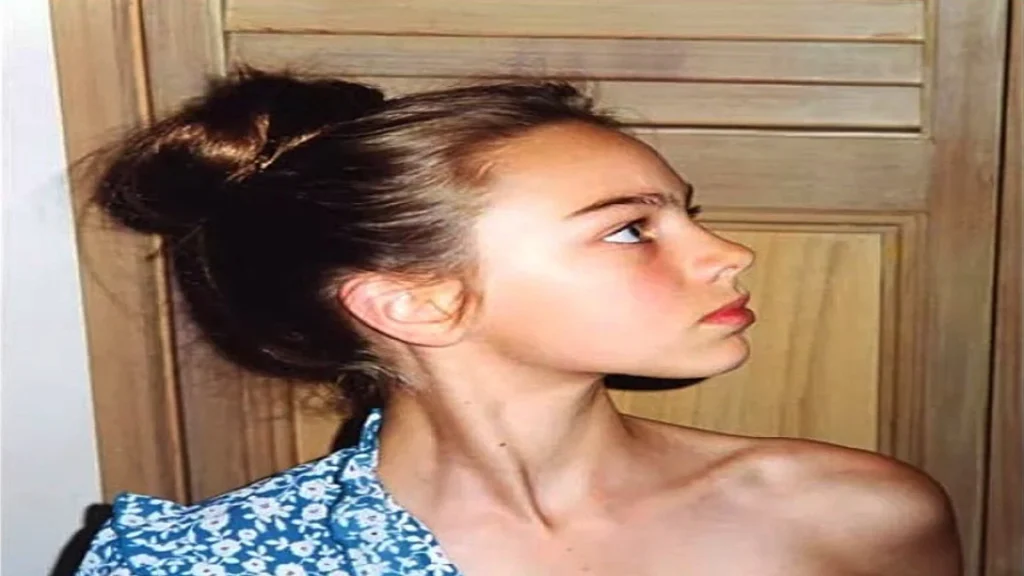
The investigation into Rachel’s disappearance and murder would later uncover Robertson’s journal. It did not have the ramblings of an impulsive, violent individual.
The document had months of step planning towards the premeditated murder of Rachel Barber. She had decided on what to do and how to go about it, or at least potential ways to do it.
In one entry, she described a plan to lace pizza with what she called ‘drowsy powder’, then kill Rachel. In another entry, she wrote,
“On the way to dance school, say that she can’t tell anyone that she’s meeting me, as I’m not allowed to give the study results to anyone — ethics — highly confidential. Not even your boyfriend/parents… Drug Rachel (toxic over mouth), put the body into army bags, and disfigure and dump somewhere way out. No car…”
This was how she would get Rachel to come without asking questions, and how she would dispose of the body. In another entry, Robertson said, “Check farm (including bag) … Tuesday arrange bank loan … Moving van … Night to disguise hair … Thoroughly clean house, and steam clean carpet.”
It was a checklist for how she would commit the crimes and get away with them. The investigation into the murder also showed that Robertson had planned to drug and kill Rachel after creating a psychological profile of her victim in the journal.
Robertson’s objectives were not just the elimination of Rachel Barber. It was erasure and identity theft. In her apartment, police were disturbed to find applications for a birth certificate in Rachel’s name and another for a bank loan of $10,000.
Investigators determined that the goal was to run off and live as Rachel Barber somewhere else, but using the assumed name, ‘Jem Southall’. This was after getting the loan and fleeing the state.
The name ‘Southall’ belongs to Rachel’s maternal side, as it is the surname of her grandfather, Ivan Southall. Robertson also intended to lose weight and get a nose job so she would look more like Rachel.
By attempting to reinvent herself in Barber’s image, Robertson thought that she could be as loved and successful as Rachel.
The Futile Search
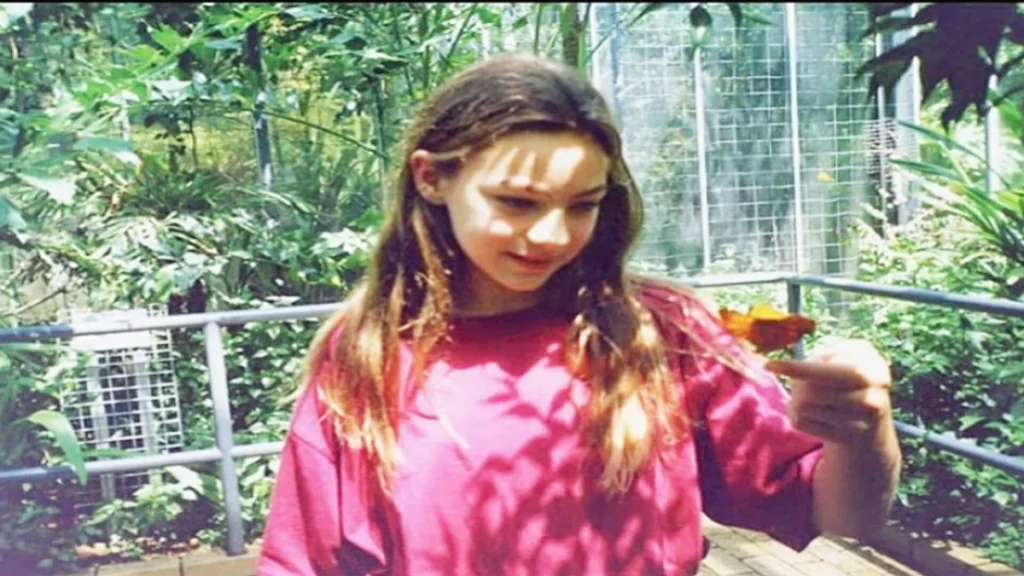
On March 1st, Rachel’s father, Michael Barber, arrived to pick her up at the Wattle Park tram stop at 6.15 pm, as was their routine. She didn’t show. Her parents knew something was wrong and tried to file a missing person’s report with the Box Hill police.
The officers hesitated in filing the report at first, thinking she might have run away and would eventually come back. However, Rachel failed to show up for breakfast with her friends the next morning. She also didn’t show up for practice.
This was completely out of character, and her parents aggressively pushed the police to escalate the case. As they knew nothing about the ‘psychological study’, the family continued to grasp for answers wherever they could.
Rachel’s boyfriend, 16-year-old Emmanuel Carella, then told the family and police that Rachel had mentioned she was doing a well-paying, but secret job.
Seeing that the police were dragging their feet, the family and community plastered the streets of Melbourne with 2,000 missing person posters. Rachel’s face was on every television station and local newspaper.
During this time, Robertson, who had not spoken to the family in months, suddenly phoned the house to check in and ask how the search was going. This piqued the parents’ suspicion as it seemed odd.
On the 11th, police in Victoria were reviewing the incoming calls to the Barber household and noticed the random call from Robertson. They also saw that the number was one of the last to call Rachel’s mobile phone.
Detectives also took statements from passengers who were on the tram on March 1st. A few stated that they saw Rachel accompanied by a woman matching Robertson’s description. This pivoted the investigation to Robertson as the main suspect.
On the 13th of March, police arrived at her apartment to question her. They entered and found her unconscious on the floor. She had suffered an epileptic seizure, potentially caused by stress.
While Robertson was taken to the hospital, the police combed the whole apartment and found articles of Rachel’s clothing. They also found the fraudulent applications and bank loan paperwork. Detectives also recovered the journal where she wrote all her plans for Rachel.
While she was in the hospital, Robertson was questioned, and she finally broke down, confessing to the murder. She also provided the exact location where she buried Rachel’s body in Kilmore.
Trial and Sentencing
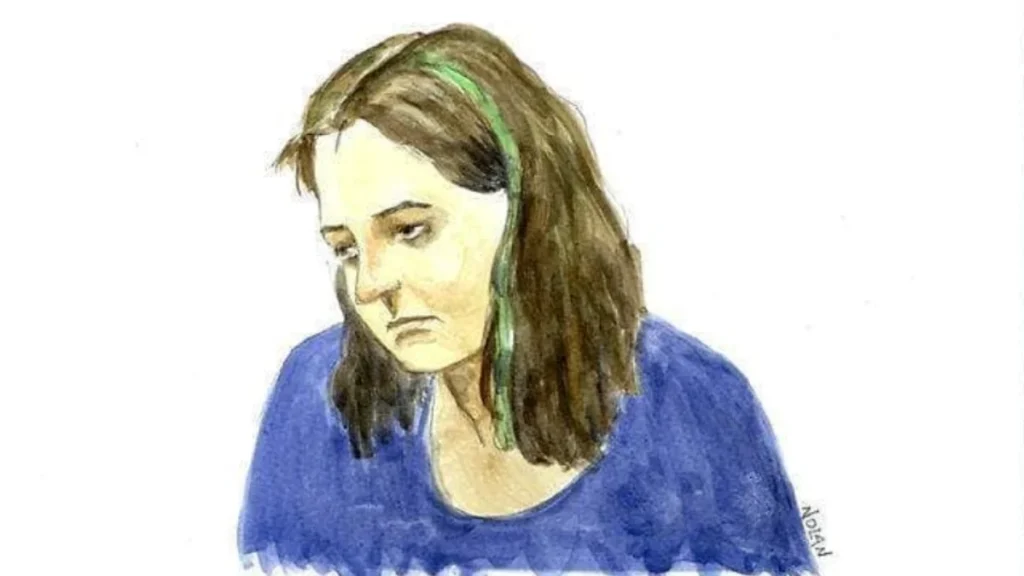
Caroline Robertson appeared at the arraignment in November 1999. She formally pleaded guilty to the charges of murder in the Victoria Supreme Court. This effectively removed the need for a lengthy jury trial.
On April 7, 2000, the prosecution presented her diaries to prove extreme premeditation and deep envy toward Rachel Barber. Justice Frank Vincent labelled the behaviour as extremely disturbing and noted that she had a complete lack of remorse.
He sentenced Robertson to 20 years in prison. The minimum for this was 14 years and 6 months. Forensic psychiatrists claimed that Robertson was suffering from a personality disorder. This would explain the self-hatred, low self-esteem, and delusions that she could live another person’s life.
The Barber family was shocked at the evidence uncovered at the trial. They listened to the highly detailed plans to murder Rachel, steal her birth certificate, and assume her identity.
Because Robertson was someone they trusted to babysit their children, hearing the calculated malice she had for their daughter caused significant emotional distress.
However, Rachel’s mother surprised everyone with her apparent empathy towards Robertson. She stated outside the courthouse that her daughter would have laughed if she heard someone describe her as perfect.
“Rachel – she was funny. Rachel was bubbly, loving, full-on, demanding, exhausting. She went through all the normal things that everyday kids go through … everybody loved her but one, it seems.”
Elizabeth said she knew that Robertson had issues, but she had always been polite and great with the children. She wished that Robertson had been given some counselling in her life, but could not say that it would have helped prevent what happened.
Robertson herself reacted with a blank stare and remained unwavering as the judge imposed a 20-year sentence. Witnesses noted how she appeared hollow and emotionally flat.
Parole, Release, and Aftermath
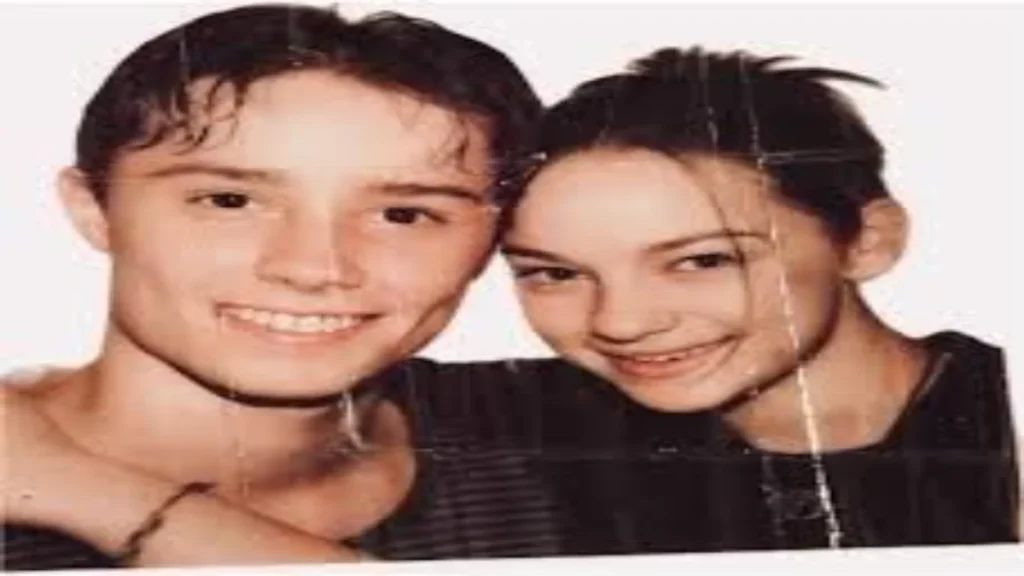
In 2015, after she served 15 years, Robertson was released on parole. The conditions of her release required that she notify the parole officer before moving to a different location. She also had to adhere to any other stipulated rules for the rest of her life.
Rachel’s parents opposed the parole but expressed a wish that Robertson be left alone so she could rebuild her life and regain something.
During her time in prison, Robertson drastically changed her appearance. She had a leaner, more slender build. She also shed the curls and made her hair long and straight like Rachel’s.
Elizabeth Barber said, “I kept thinking she looks like someone I know… It has that feel about Rachel… at first glance, it’s kind of weird.”
Elizabeth also co-authored a book with journalist Megan Norris about the case, titled ‘Perfect Victim’. It covers the murder, investigation and the family’s side of things in detail.
It was also used as source material for the 2009 movie ‘In Her Skin’, directed by Simone North.
Michael and Elizabeth stepped away from the public eye after participating in the production of the movie. They occasionally share tributes on anniversaries.
Caroline Robertson has lived entirely outside the public eye since her release in 2015. Her anonymity is also enforced by the authorities to prevent cases of vigilante justice.