




On August 9, 2000, 23-year-old Kirsty Jones was returning to Chiang Mai, northern Thailand, after a three-day mountain hiking trip. The backpacker went to a local café and mailed postcards to her friends in Liverpool.
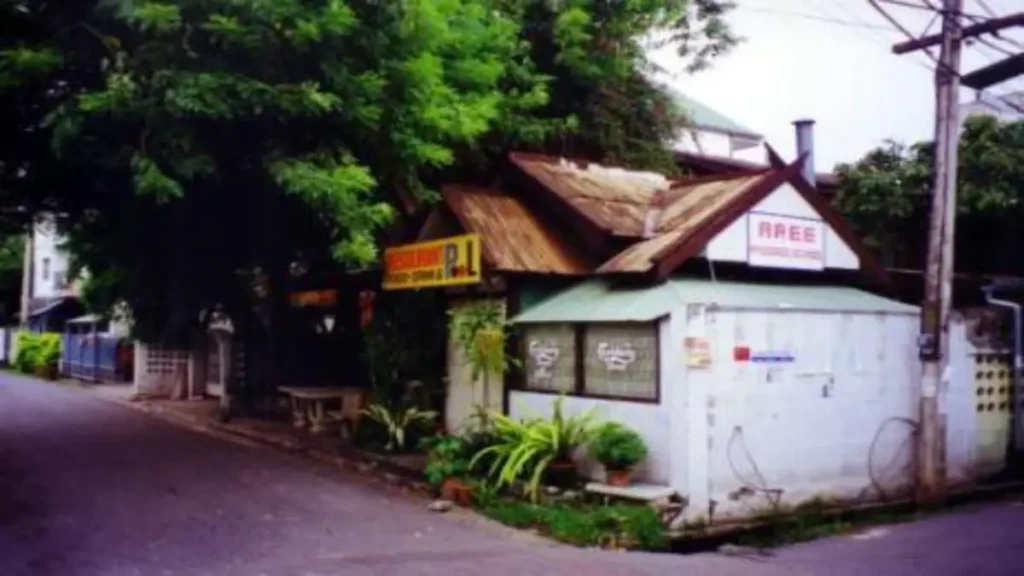
She then returned to her room at the Aree Guesthouse to get some rest and prepare for an evening out. Kirsty got out of her room at 7 pm for dinner and drinks at a local bar. She was accompanied by other backpackers from Australia and England.
The mood there was lively, but she broke away from the main group at 11 pm to shop at the Night Bazaar. This was an open-air night market near the bar. After an hour of browsing for trinkets, which she hoped to ship home to her family in Wales, Kirsty began walking back to her room.
It was a short distance back, and by midnight, both the staff and other guests saw her enter the premises and head to her ground-floor room. It was late, though, and her room was at the back. Just as she was getting in, an unidentified intruder forced his way in with her. The lack of security lights and ambient darkness had covered his approach.
Once in the room, the man threw her on the bed and violently raped her. He then strangled Kirsty with her deep blue sarong.
Guests who were nearby, including British backpacker Stephen Trigg, were woken up by screaming from Kirsty’s room. She was crying out, “Get out, get out! Help me, help me! Leave me alone, get off me!”
Trigg and the guesthouse manager, Surin Chanpranet, immediately ran downstairs to check on the commotion. The men found the door was locked from the outside and paused. Both apparently assumed it was a lover’s tiff and opted not to intervene.
This gave the attacker all the time to choke Kirsty to death. By that time, Chanpranet and the other guests were all back in their rooms, asleep. The killer unlocked the door and slipped out of the room, locking it again. This was probably to give the impression that Kirsty had gone out.
His plan worked efficiently in the morning because the staff assumed that she had an early morning when they saw the padlock. However, her murderer had forgotten Kirsty’s shoes were still outside her door.
By 11 am, no one had seen any sign of her, but the shoes were outside. This prompted the staff to consider she might be in trouble, and Chanpranet used a spare key to enter the room. Kirsty’s body, face down on the bed, was the first thing they saw. She was naked from the waist down, and a sarong was tightly knotted around her neck.
Chanpranet ran to tell the rest of the staff and the guesthouse co-owner, Andrew Gill. This triggered a wave of panic among the staff as they wondered what would become of the guesthouse. Chiang Mai’s backpacking economy was entirely reliant on reputation, so this was disastrous news.
Instead of preserving the room, the staff began discussing among themselves how best to distance the premises from the crime, according to the timeline. During this conversation, they coerced a young Thai maid to lie to the police that it was she who stumbled on the body late in the afternoon.
Gill first bypassed the local police and sought advice from another British expatriate businessman. The second call was to Ben Svasti Thomson, the British Honorary Consul in Chiang Mai, to whom he reported that a tourist had been killed at the guesthouse.
The consul advised on the best diplomatic approach for Gill, an expatriate business owner. As this was going on, the staff were finalising the plans to shift the timeline of discovering the body from 11 am to 4 pm. This significantly compromised the timeline for the autopsy.
During the afternoon hours, staff members also regularly entered and exited the room. Later on, they said they were confirming if Kirsty was indeed deceased. However, the footprints and fingerprints on various surfaces further compromised the crime scene.
With the cover story in place, they called the local Chiang Mai police station at 4.15 pm. The first squad cars from the Royal Thai police arrived at the guesthouse. By then, the news had also leaked to the media, and they arrived with the police, making the scene a complete mess.
Problems with the Investigation
Police from Chiang Mai began their analysis with the people in or very connected to the Aree Guesthouse. They interviewed eight suspects between 10th and 11th August. These included two Thai nationals and six foreigners.
All of these had recent interactions with Kirsty. One of them was Stuart Chrichton, a 28-year-old resident of the guesthouse. He was known for his history with heroin and street fighting.
Another was a man named ‘Glen’. A self-professed former operative of the CIA who had been staying long-term at the guesthouse while recovering from previous injuries.
Police also interviewed Nathan Foley, a 27-year-old Australian who had dined with Jones the night before she died.
Due to intense pressure to solve the case, police publicly insisted that the killer had to be a foreigner. Apparently, no Thai national could do such a thing. This, unfortunately, shaped the trajectory of the investigation.
Police also shifted the crosshairs to the guesthouse owner, Andrew Gill, saying that he was responsible for the murder. He was also an easy target because of his residency status from an overstayed visa.
Semen and skin cells were recovered from the sarong in Kirsty’s room and on her body. Blood traces and hair samples were also collected. These suggested she put up a fight. The autopsy confirmed that she had been raped and died from asphyxiation due to strangulation from the sarong.
The police considered Chanpranet’s story and found it inconsistent with the timeline determined from the medical examination. His living quarters were raided, where they uncovered amphetamines and marijuana.
His DNA was not a match for the sample at the scene, but the police locked him up on charges of narcotics possession. In Jail, he cut a deal with the police to testify against the guesthouse owner, Andrew Gill. Chanpranet and his girlfriend then came forward as witnesses against Gill.
They claimed that they had seen him in Kirsty’s room at the time of the murder and then leaving it later. Gill was immediately arrested and charged with conspiracy to commit murder. He was subsequently held in prison in Bangkok.
DNA Evidence and More Scandals
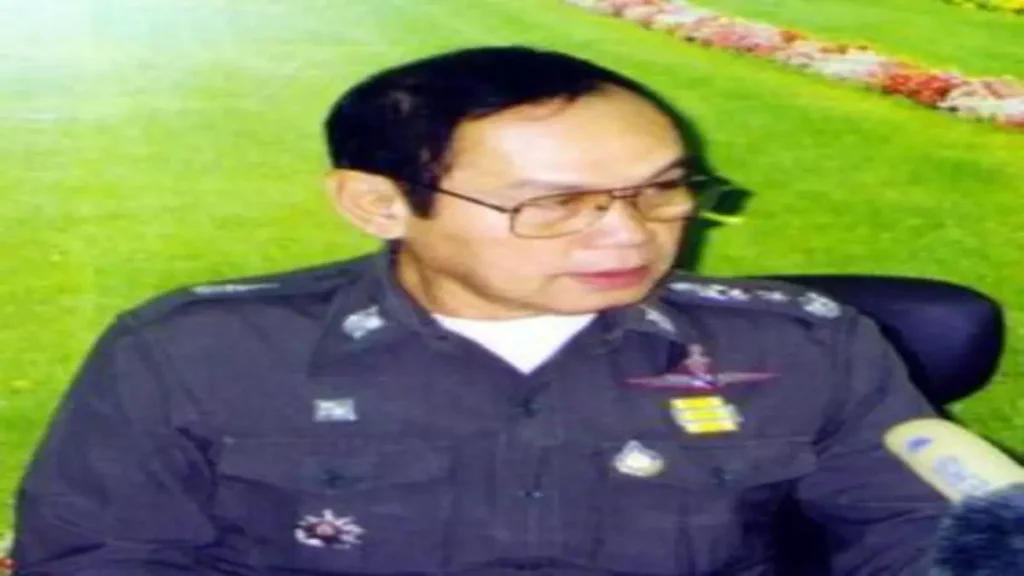
Forensic pathologist, Dr Tanin Bhoopat, stated the violent rape caused the seminal fluid to lodge deep within the victim’s body, and that it happened when she was still alive. He also confirmed that the DNA from the semen samples belonged to an Asian male. This threw out the police theory that the murder was committed by a Westerner.
It triggered a media frenzy and embarrassed the police, who were actively trying to frame Andrew Gill. Instead of shifting the attention to regional suspects, the top police commanders concocted bizarre scenarios for the media.
Police Colonel Suthep Songwong said that a ‘faceless foreign murderer’ must have bought semen from a local Thai tuk-tuk driver and then manually placed this inside the victim to frame the Asian locals.
Similarly, the case against Gill collapsed in November after the district attorney determined that Chanpranet and his girlfriend’s statements were contradictory.
DNA tests run on all of the male suspects also came up empty. All foreign nationals were given their passports back and allowed to leave the country.
As absurd as the DNA theory posited by Colonel Songwong was, it turned out to have some basis in truth. In 2002, transvestites Jessada Wiriyasakul, 28, and Cha Kesarachai, 26, came out with a confession that Chanpranet had hired them to find false DNA to plant at the scene. This was to cover up for the killer.
However, his DNA was also not a match for that of the killer. Under the law, physical evidence took precedence over the witness statements.
Not only was the crime scene contaminated by the staff and the media who arrived as the police did, but there were also deliberate attempts to introduce false evidence for the sake of misdirection.
DNA profiling of the semen samples was again done in collaboration with forensic experts from the UK. This confirmed that the perpetrator was indeed of Southeast Asian origin. In response to the pressure from Tony Blair, Thai officials were compelled to reveal that the testing showed the killer was a Thai national.
Reactions from the Family
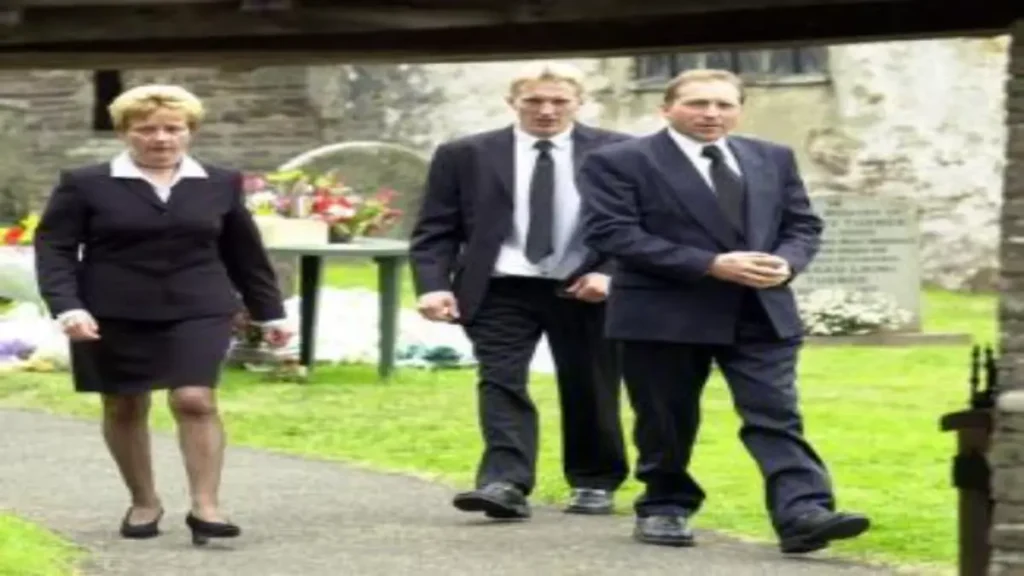
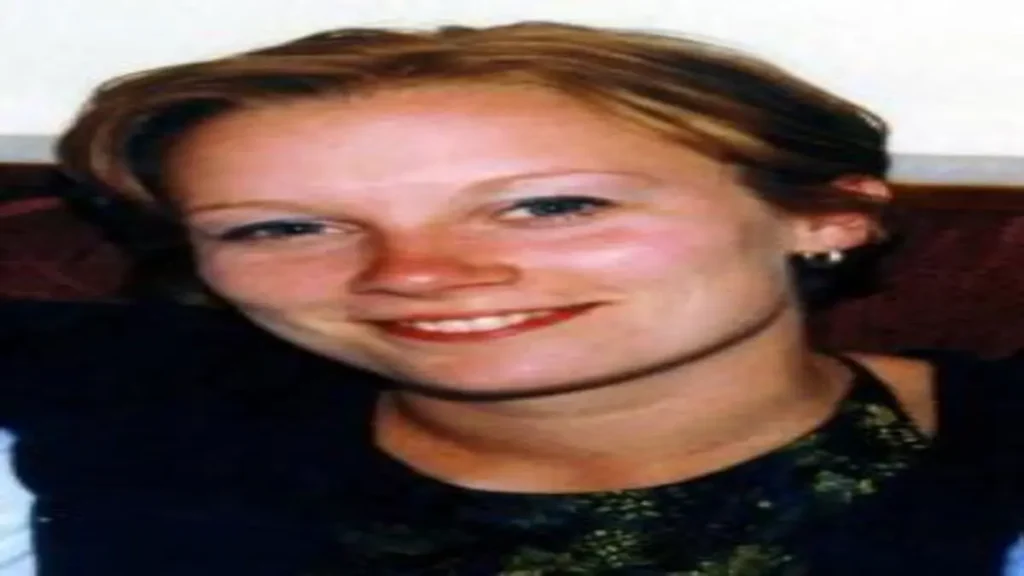
Kirsty’s mother, Sue, her father, Glyn Jones, and her brother, Gareth, got the news of her death at their home in Wales. They were completely devastated with grief. Kirsty was a bright student from Liverpool University who had spent years planning her backpacking trip around the world.
From the outset, though, Sue expressed deep scepticism concerning the way the Thai police handled the case. They kept chasing foreign scapegoats while ignoring Dr Tanin’s findings, in what looked like a ploy to remain politically correct.
Even after the case went cold after the DNA profiling failed to match suspects, they refused to let the case go. In 2005, Sue and Gareth Jones visited Aree Guesthouse to lay flowers at the place where Kirsty last stayed.
The case was also transferred to Thailand’s Department of Special Investigation at the request of the Jones family and the British Embassy. The UK Prime Minister, Tony Blair, personally contacted the Thai Prime Minister, Thaksin Shinawatra, and urged the authorities to take a closer look at the case.
Decades of Diplomatic Pressure
In 2012, Sue Jones travelled again to Thailand with detectives from Dyfed Powys Police. During a conference that was set by the Special Investigations Department, the British delegation offered a reward of 10,000 pounds for any information concerning Kirsty’s killer.
British police were given permission in 2013 to review evidence collected by the Thai authorities. The DSI in Thailand also arranged to re-interview witnesses to the incident who had settled in the UK.
This followed the theory that time had passed and witnesses were perhaps more confident sharing information they could not before.
In 2011, there was a YouTube video titled “The Murder of Welsh Tourist Covered up by Thai Tourist Police”, which was posted by an Australian. The video was quickly taken down from the internet, but by then it had already created a buzz, prompting the authorities to investigate a professor at Chiang Mai University.
It claimed this professor was the perpetrator of the murder and was the relative of a police inspector who was investigating the case as well. British police confirmed they had also heard these allegations and asked the Thai authorities to help verify the truth of the matter.
Sue told the media that the family specifically wanted a British representative present in case a DNA test was needed.
Statutes of Limitations and Case Closure
Despite decades of investigations and diplomatic interventions at the highest levels, it all came to an end. In August 2020, on the 20th anniversary of the murder, the statute of limitations in accordance with Thai law expired.
This caused much frustration to the Jones family and the UK police, who had poured considerable resources. Even if the authorities suddenly had a break in the case, after so many years and found the killer, he could no longer be charged.
Sue said, “It is a really sad time for us as a family. I hope we have done her proud in trying to get justice. I have nothing but praise for Dyfed-Powys Police, who have always provided us with support and have tried their best to progress the Thai investigation. Without their influence, I am confident that the Thai investigation would have ended years ago.”
More than two decades later, the case is still unsolved. Stephen Trigg, one of the other guests who heard the screams and assumed it was a lover’s quarrel, said he first thought the man was a Westerner. This was allegedly because of the way they were talking.
The DNA evidence contradicts this. The guesthouse manager, Chanpranet, also went to extreme lengths to shift the focus of the investigation.
At the time, it was out of self-preservation, but it may also have been that he had something to do with it, or knew the person who committed the offence. Regardless, by law, the killer cannot be prosecuted even if he were to be found.
Today, Sue and Glyn Jones remain in the rural areas of Brecon, Powys, where they have retreated from the public eye and are running a family farm. The family continues to honour Kirsty’s memory privately among close friends and the local community.