




Content Warning: Some readers may find the descriptions in this article disturbing.
Lesley Whittle tried to remain conciliatory as her frightening captor recorded her words. She was inside a drainage shaft in Kidsgrove’s Bathpool Park. The 17-year-old was bound to a balustrade by a steel wire.
The British teenager stated calmly, “There is nothing to worry about. I got a bit wet, but I’m dry now. I’m being treated well…” Lesley sincerely believed that her captor would finally let her go.
He had already provided her with a foam rubber pad and food. Over the next 52 days, Donald Neilson would bring magazines and a bottle of brandy into the drainage shaft to entertain his victim.
Lesley would never have suspected that Neilson would take her life after 7 weeks in captivity due to miscommunication about her ransom.
Lesley Whittle’s Early Years
Lesley Whittle was born to Dorothy and George Whittle on May 3, 1957. Her parents already had an older child, Ronald Whittle. George, who had settled his small family in Shropshire, co-owned a thriving coach tour firm named ‘Whittle Coaches’.
The company boasted a fleet of more than 65 vehicles. Though his business had grown immensely successful by the early 1950s, George embraced a humble lifestyle, which included a simple flat directly above the organisation’s premises.
George had previously been married to Salina Elizabeth for 15 years before meeting Dorothy. He settled with her as a common law husband and raised a new family. Before his passing in 1970, George opted to reduce estate taxes by distributing his assets.
Dorothy was to receive £70,000 and three houses, while Ronald was to receive £107,000 upon George’s death. Lesley was to receive £82,000 from a trust fund that she would access at age 25.
In the meantime, Lesley would receive £20 per week from Dorothy. The amount George put into Lesley’s trust fund made her a young heiress. Her father passed on in 1970.
Ronald married in 1972 and left the family residence to settle with his wife in a nearby house. By 1975, the 17-year-old Lesley was enrolled in a college in the Wolverhampton area as a second-year scholar.
Donald Neilson’s Life of Crime
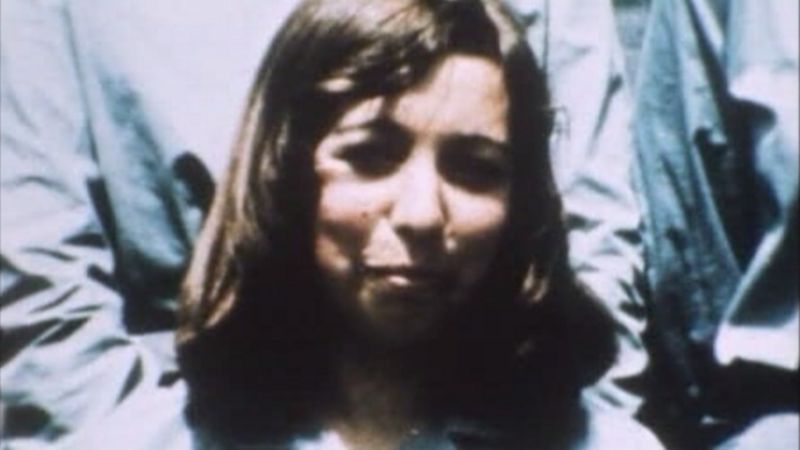
Donald Neilson was born Donald Nappey in Bradford, Yorkshire, in August, 1936. His father treated him poorly throughout his childhood, which caused him to develop socially awkward qualities.
Donald entered the UK army’s training corps after completing his high school education. He turned 18 and married Irene Tate. Five years later, Donald altered his last name to Neilson instead of Nappey.
He did this to prevent the possibility that his daughter, Kathryn, would be bullied because of her unusual surname. Donald supported his wife and two daughters by working as a builder.
Over the years, mounting debt caused financial struggles for Donald’s family. In the mid-1960s, Donald began to burglarise homes in northern England.
In the 1970s, the media began to refer to Donald as ‘the Black Panther’ due to his stealth and his favoured black balaclava. Journalists depicted Donald in the paper as agile and catlike when perpetrating robberies.
Spurred by the media’s accounts of his activities, Donald decided to seek higher returns by focusing on post offices. He procured a crossbow and a Colt pistol. He also obtained a shotgun.
Postmasters and subpostmasters typically resided on the same premises as their post offices. This made them vulnerable to attacks when criminals sought to pilfer stamps or money from post offices.
Donald escalated to serious crimes and used a shotgun to murder the postmaster of Harrowgate post office, Donald Skepper. This was during a robbery on February 15, 1974. He used his Colt pistol to kill postmaster Derek Astin of the Accrington post office on September 6, 1974, during another heist.
Donald also fatally shot postmaster Sidney Grayland of the Langley post office on November 11, 1974. Following these incidents, the Post Office Investigations Department and the Lancashire police department commenced investigations.
Though they collectively offered £25,000 as a reward for any information leading to the arrest of the killers of the post office workers, there was no information forthcoming from the public.
His smooth transition from common thievery to murder emboldened Donald to consider even more daring crimes that would bring higher returns.
Donald first read about the wealthy Whittle family in a 1972 newspaper. It discussed the legal dispute launched by Salina, George’s first wife, after she learned that her ex-husband had not left her any money after he died in 1972.
The newspapers disclosed the thousands of pounds that George left to Dorothy, Ronald, and Lesley. The media also revealed that Dorothy and Lesley lived alone in the main Whittle residence.
Ronald lived nearby with his wife, but visited his mother and sister weekly. Over the next 24 months, Donald grew to perceive the Whittle inheritance as a potential score.
The Kidnapping of Lesley Whittle
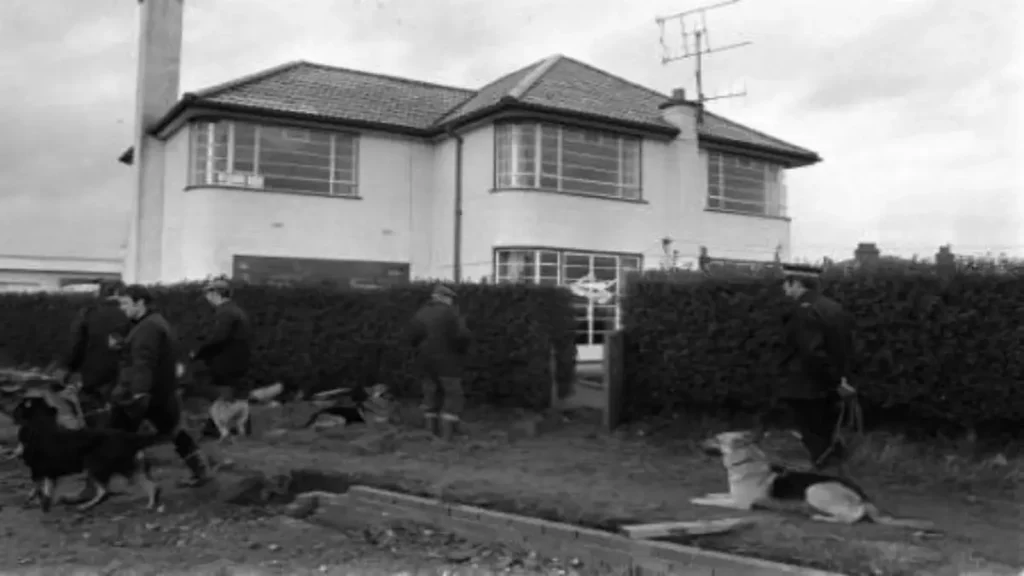
Donald began to monitor the Shropshire home of Dorothy and Lesley in 1974. In mid-January 1975, he finally implemented his attack. Donald arrived at the house after midnight and entered the house through the garage, snipping the phone wires.
Dorothy had just come back home after visiting a friend. She ingested sleeping tablets and retreated to her room after checking on Lesley. After Dorothy fell asleep, Donald swiftly located Lesley’s room. He came in, blindfolded and gagged the 17-year-old and made her walk quietly out of the house.
Lesley was dressed in a simple dressing gown and her mother’s slippers, as Donald forcefully guided her to the side of the house, where he had hidden a Morris 1100.
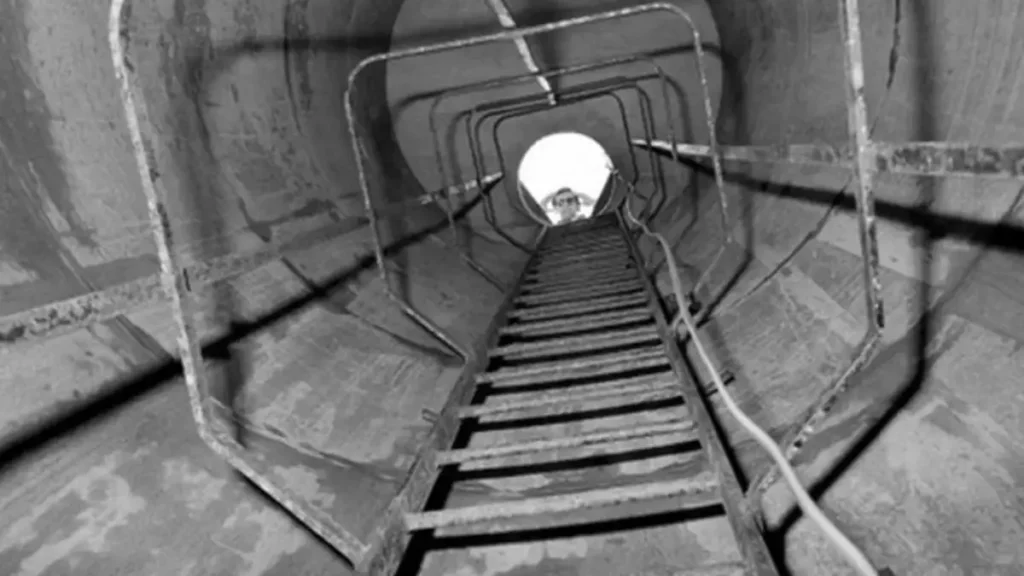
Donald then drove to Kidsgrove in Bathpool Park. There, he forced Lesley into a 54ft deep abandoned drainage shaft linked to an abandoned mine. He also arranged a wire loop about her neck and lowered a hood over her head.
Dorothy woke up on January 15, 1975, to find her teenager missing. When she searched the house, she stumbled on three ransom letters in the lounge.
The messages were made with Dymo tape, cautioning the rest of the Whittle family members against involving the media or law enforcement in solving Lesley’s disappearance.
They also contained a demand for £50,000. The notes stressed that Lesley would be injured if the family did not give up the money.
Dorothy and Ronald immediately contacted West Mercia’s police department. Officers swiftly travelled to Shropshire and examined the threatening letters. They confirmed that Lesley had indeed been kidnapped.
Initial Attempts to Contact the Kidnapper
Officers affiliated with the task force selected to investigate Lesley’s kidnapping began to amass £5 banknotes that would reach the amount stipulated in the ransom letters, while awaiting delivery orders from the kidnappers.
Between January 17 and 22 in 1975, Dorothy and Ronald paid for two classified advertisements in Highley village newspapers to indicate their willingness to pay £50,000.
This was in accordance with the directives in the ransom letters. Donald spotted these advertisements and phoned the Whittle residence from a payphone in Kidderminster on January 17.
He began to order that a second advertisement containing random facts be posted, but abruptly ended the call before issuing full instructions.
On January 20, a second call was attempted from a pay phone in Bath. The caller again swiftly ended the call before issuing full instructions. Experts would reveal that this behaviour highlighted Donald’s paranoia about officers using listening devices and other surveillance paraphernalia to find his hideout.
Throughout this trying period, Dorothy and Ronald made carefully worded appeals for Lesley’s safe return in local media sources.
They were unable to dialogue with Lesley’s kidnapper despite indicating through the advertisements that they were prepared to do so.
Police officers traced Donald’s calls from public booths whenever he phoned the Whittle residence. They established that he had a northern England accent.
Moreover, his quick disconnections and use of pay phones in several locations prevented them from maintaining the kidnapper’s trail.
Officers would later testify that Donald psychologically manipulated Ronald and Dorothy by using precision and fear to establish the terms under which they were to deliver the ransom.
In late January 1975, Ronald carried a briefcase holding £50,000 to a Highley-based public phone stall as directed in the ransom notes and subsequent calls from the kidnapper.
He accepted a call inside that public phone stall. In that call, Donald directed Ronald to a separate site for the drop-off. Ronald’s attempt to follow this second set of directives was unsuccessful due to errors related to police surveillance.
These caused him to arrive late, and so he was unable to hand over the ransom cash. When Donald called the public phone at the site he had ordered Ronald to drive to, Ronald had not yet arrived there.
Ronald later attempted to contact Donald through the pay phones the latter had used and give reasons for the failed delivery. Over the next three days, poor coordination would botch two attempts at delivering Leslie’s ransom to Donald.
The Problem of Hoaxes
Ronald’s failed deliveries were followed by the unauthorised press disclosure of minute details of Leslie’s abduction and countless hoax phone calls.
Bill Williams, a British freelance journalist, contravened a police-imposed news ban by publicly discussing Leslie’s kidnapping on local media stations.
Officers would later realise that the resulting exposure may have prompted Donald to believe that Dorothy and Ronald had deliberately disregarded his terms regarding the ransom delivery.
From January 27, 1975, more than 200 unscrupulous pranksters claiming to be affiliated with Leslie’s captor began regularly calling the Whittle residence and demanding the ransom payments.
These drained the investigators’ resources as officers had to trace and examine each call. Police authorities introduced another news blackout until the second week of February 1975.
The Murder of Leslie Whittle
The last failed attempt to deliver Leslie’s ransom was not bungled by Ronald’s ineptitude or poor coordination between police teams. It resulted from Donald’s paranoia.
A police car, unattached to the case, randomly stopped near where Ronald was supposed to leave the money. Donald was already there, watching for Ronald.
The police car approached, and an officer stepped out to smoke. He thought the authorities had planned an ambush, and cancelled all plans for future ransom drop-offs.
Furious that Dorothy and Ronald had disobeyed his orders by involving the authorities, Donald went to the place where he had buried Leslie.
He opened the manhole and climbed down to where he held Leslie. She was tethered to a steel beam by an iron wire wrapped around her neck. Donald regularly brought food into the manhole to keep her alive, so Leslie thought it was just another of his visits.
He had the hood over her head before going to get the ransom from her brother, and so she did not see the rage in Donald’s face when he abruptly returned, or discern what was about to happen.
He roughly pushed Leslie off the concrete platform on which she had been balancing her weight, while her neck remained tethered by a rough wire to the large beam. The fall and immediate constriction caused an involuntary nervous system reflex. This caused Lesley’s heart to stop beating, and she died before suffocating.
More than 400 officers were enrolled in the search for Leslie after Donald went silent and stopped trying to contact Dorothy or Ronald to get the money. The officers thoroughly searched parks and areas near where the bungled ransom drop-offs were supposed to have happened.
Seven weeks after being abducted, Leslie’s body was found dangling by the neck from a steel wire tied to a large beam in a 54ft drainage shaft. This grisly discovery on March 7, 1975, in Kidsgrove fuelled public anger and increased police efforts to find her captor.
Decades later, in 2005, retired Detective Chief Superintendent Harold Wright would still recall the immense sorrow that investigating officers felt upon seeing Leslie’s emaciated corpse.
“She was tied like a dog”, he remembered, “and spent her last days in total darkness with rats running about.”
An Accidental Arrest
Nine months after Leslie was found deceased, police officers patrolling Mansfield stopped a man who tried to move away from them on the path. It was Donald.
When the officers demanded to know his name, Donald suddenly brandished a sawn-off shotgun, forced both officers back into their vehicle, and ordered them to take him to Rainworth.
Just as they reached Rainworth, the officer driving the vehicle suddenly engaged its brakes. In the ensuing confusion, his counterpart was able to wrestle the shotgun from their assailant.
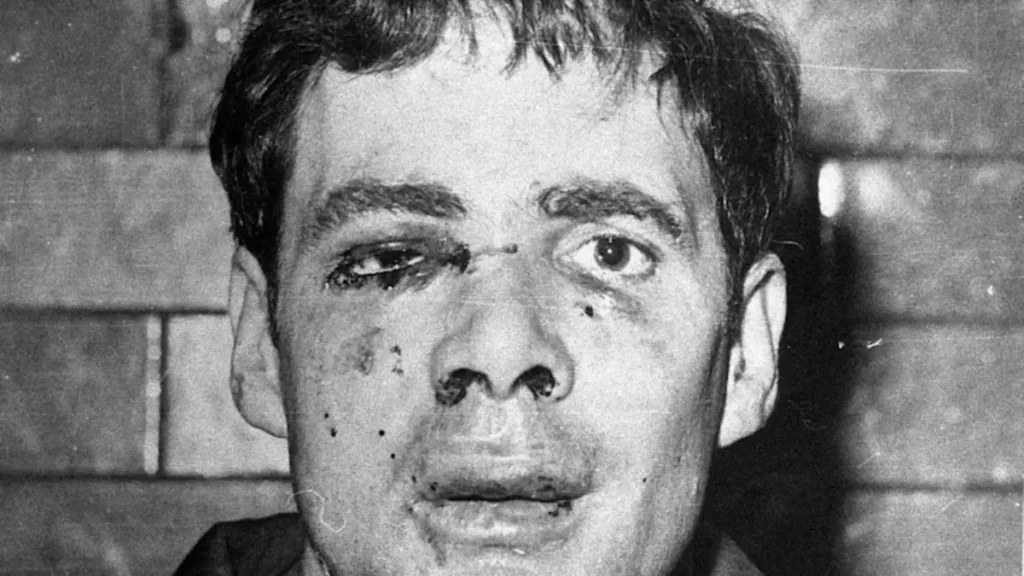
Neilson discharged the gun during the scuffle, but neither of the officers was shot. Though the sound caught the attention of men lining up at a nearby ‘Fish & Chips’ Shop. They came to assist the officers and severely beat Neilson up.
After regaining control of the situation, the two officers handcuffed him to a fence and called for backup.
Upon searching Neilson’s person, the officers found that he had been carrying a strangle cord, shotgun cartridges, a ‘panther hood’ black balaclava helmet, razor blades, and ammonia solution.
Neilson gave the police a fake name, John Moxton, but the fingerprints taken during booking were a match for those found on the drainage shaft where Lesley’s body was located.
His wife, Irene Neilson, is the one who cracked the case, though. Days after Neilson was apprehended, she walked into the local West Yorkshire police station to report him as missing, unaware that he was in custody just 70 miles away.
She gave his name, address, and description to the police, who then connected the dots and determined that they had the black panther, not “John Moxton.”
A group of officers went to Neilson’s home in North Yorkshire. There, the officers broke into a locked attic where they found a Dymo label creator that was used for the ransom notes, guns, wire strands similar to those used to secure Leslie’s neck to the concrete beam, gloves, ammonia solution, and panther hoods.
The Trial and Sentencing of Donald Neilson
Mr Justice Mars-Jones oversaw the trial of Donald from June 14th, 1976. Donald was accused of killing post masters Donald Skepper, Derek Astin and Sidney Grayland in 1974, and Leslie Whittle in 1975.
His barrister, George Grey (QC), claimed Donald had not intended to kill his victims. University of Surrey psychiatrist Dr Lionel Haward claimed that Donald was not insane, but suffered from a psychopathic disorder that caused him to act with much callousness.
After deliberating for two hours, the jury found him guilty of deliberately killing all four victims. Justice William Mars-Jones sentenced him to four life sentences with the recommendation that he should never be released.
Nelson served the sentence at Norwich Prison until he died of motor neurone disease in December 2011. He was 75-years-old.
Donald appealed for a reduction of his sentence in 2008, but Mr Justice Teare rejected the appeal. Donald remained at Norwich Prison until his death on December 17th, 2011.
Lesley’s family remained bitter with how the police handled the ransom drops. After Neilson was sentenced, they retreated from the public eye to avoid media attention.
Ronald returned to running the family business and supported his mother, Dorothy, until her death in 2008, at the age of 91.
If you would like to read other stories on child prodigies and creepy phenomena, check out our articles on the 2016 Creepy Clown phenomenon and Kim Ung-Yong, the child prodigy.