At 8.30 pm, February 18, 2010, the Drug Enforcement Agency initiated a raid on Kermit Gosnell’s clinic. They expected to uncover a prescription drug racket being run out of his office.
Agents set the raid for the evening because Gosnell was rarely at his clinic before 7.30 pm. Upon breaching the door to the clinic, the agents were assaulted by the stench of urine and death.
The clinic was also full of patients in various conditions. Semi-conscious women were left to their own devices in the waiting rooms. Some were covered in blood-stained duvets.
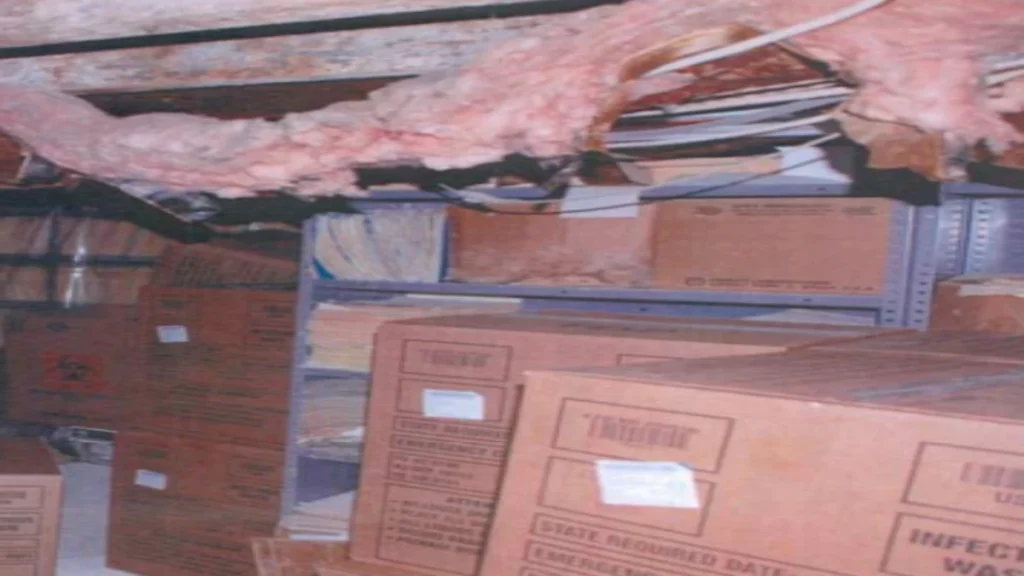
As the agents went through the clinic rooms, they saw tables covered in dust next to broken medical equipment. The fire and emergency exits had also been locked shut.
Then they found the babies.
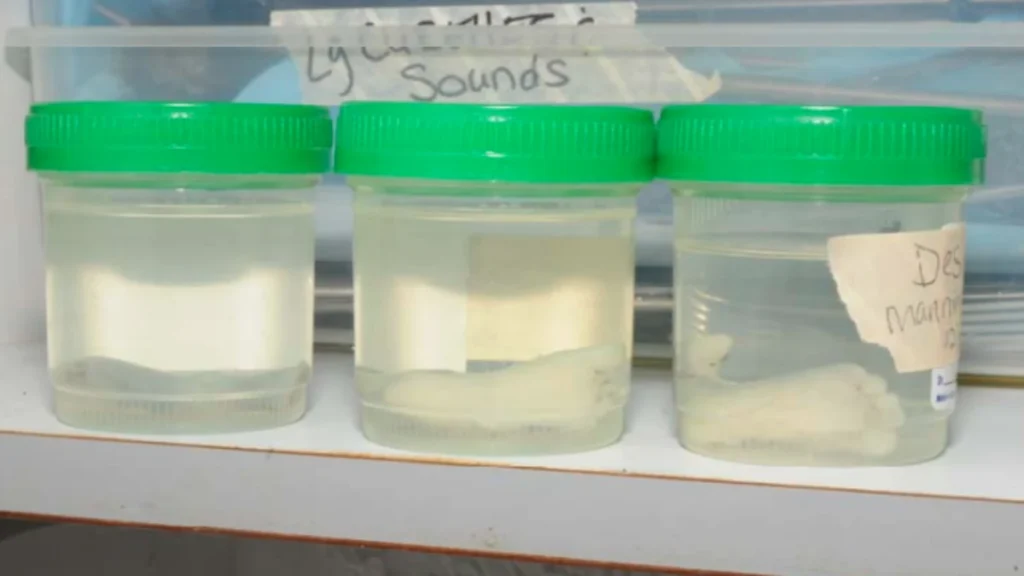
A basement freezer was stuffed with frozen food bags and the remains of at least 45 fetuses. Agents also discovered a row of jars with the severed feet of aborted babies.
Gosnell himself was at the clinic. He was largely unfazed by the raid. When he was detained and interrogated, investigators stated that he ate his food while still wearing his blood-stained gloves.
A look at Gosnell’s history shows a career dotted with complaints and various violations. Over his career, he had been hit with almost 50 malpractice and personal injury suits.
The Making of one of America’s worst serial Killers
Kermit Barron Gosnell was born in Philadelphia on February 9, 1941. He was raised in a stable middle-class African American family.
Gosnell’s father had his own service station and worked as the operator. His mother was a clerk at a government office. As an only child, his parents gave him a secure upbringing.
By many accounts, Gosnell was an ambitious and intelligent young man. He graduated from the University of Pennsylvania medical school in 1966 and completed a residency in gynecology.
In all regards, he was a success story, especially considering the racial dynamics of the period. Gosnell went ahead to set up a practice in West Philadelphia, which was mostly populated by low-income African Americans.
He was considered by many to be a hero. His prices were affordable, and Gosnell showed up when others would not. For several years, Gosnell ran an apparently successful family practice.
He treated minor ailments, prescribed medication, and delivered babies. But he also did the jobs which were considered taboo at the time, including abortions. Gosnell was soft-spoken and gave the impression that he was extremely devoted to his community.
He often traveled outside of his area to the rural areas to provide service for underserved clinics. Gosnell crafted the image of a medical missionary, going places where healers were scarce.
Underneath it all, was a man who had severed himself from ethics and humanity. The early warning signs were apparent long before the crimes.
Though he had graduated from medical school and done a residency, Gosnell did not have a formal gynecology board certification. Medical authorities started getting complaints from patients and colleagues from other clinics.
In 1972, Gosnell was involved in a mass experimental procedure where he used an untested abortion device on fifteen women, causing the hospitalization of nine of them. The medical board looked the other way.
The legal technicalities and lack of clear regulations meant they could not pursue the case. It was also before Roe V Wade, so abortion laws were incredibly vague in many states. Doctors could push boundaries in horrible ways.
The Department of Health became aware of the growing concerns, but it did not inspect Gosnell’s facility. He had purchased the entire building at 3801 Lancaster Avenue in West Philadelphia from 1979, and it was his kingdom.
A World of Neglect and Darkness
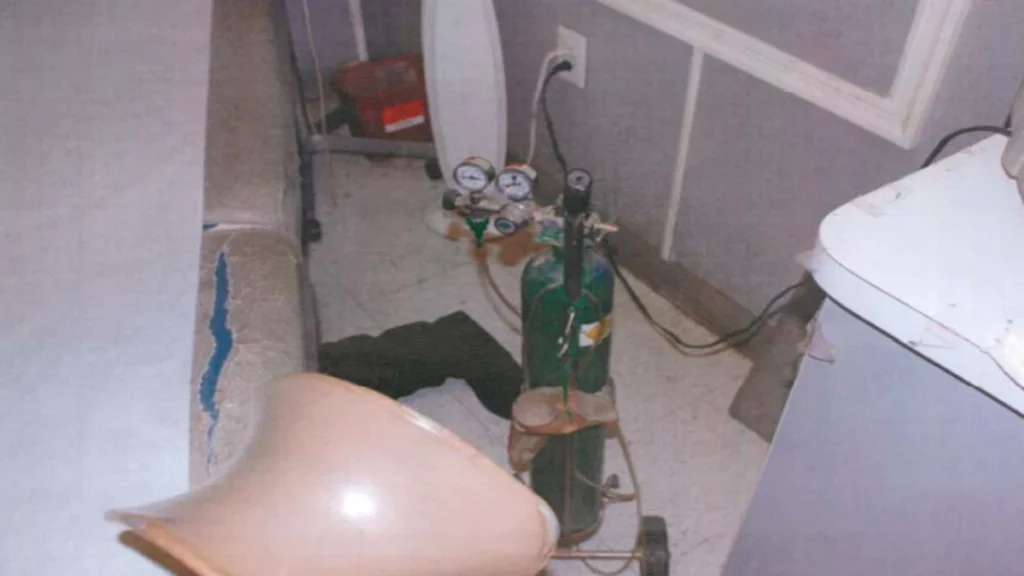
To walk into the Women’s Medical Society on any given day was to enter a world that defied comprehension. The facility was filthy in ways that seemed deliberate.
Blood stained the floors and procedure tables. Most of the medical equipment was broken or outdated. Fetal remains were stored in cat food containers, plastic bags, or jars lined up on the shelves.
The smell of urine that investigators encountered was from cats, which Gosnell allowed to roam freely in the clinic. These cats also defecated on the floors where the patients often languished.
Unlicensed staff did most of the procedures, including performing surgeries, administering anesthesia, and forging prescriptions. Patients were mostly poor, black, and immigrant women.
They were treated with contempt because that was a place you went to if there were no other options. Women arrived at the clinic and were kept waiting for hours.
Sometimes they were kept sedated in dirty recliners in recovery rooms, which also functioned as the waiting rooms.
Gosnell rarely came, and if he did, it was late in the evening. Hence, sensitive procedures were pushed into the late-night hours.
The women who suffered complications were sent home and told they were fine. Some of them later succumbed to their injuries.
Karnamaya Mongar was a 41-year-old refugee from Bhutan who came to the clinic in November 2009 for an abortion. She was sedated using a mixture of Demerol and other drugs in excessively high doses.
This caused her to go into cardiac arrest. When emergency personnel got the call, they struggled to navigate the clinic, which was also blocked by a locked emergency exit.
She was brain-dead and unresponsive by the time she got to the Hospital of the University of Pennsylvania. Mongar was pronounced dead the next day.
Another unidentified woman survived a perforated bowel after undergoing a procedure at the clinic. Patients volunteered the story of injuries and lasting problems afterward.
The obvious question is why neither the patients nor the employees told the authorities. It would appear this was something too big to cover up.
Apparently, there were many attempts by people in the medical field and previous staff to report the situation to the state, but these fell on deaf ears.
Marcella Choung, a former employee, gave a multipage report to the Pennsylvania Department of State. She included the aspect of disease spreading because of poor sterilization and a lack of licensed staff. Unfortunately, the state did not attempt to investigate.
Doctors working at nearby reputable hospitals, including the Hospital of the University of Pennsylvania, treated patients who were rushed to the emergency room with perforated uteruses and other infections that could be traced to Gosnell’s clinic.
Following the administration change in 1993, state attorneys interpreted the health regulations in a way that stopped routine inspections of abortion type clinics.
As the state only authorized an inspection following an active complaint and because they already ignored most of the complaints they got, Gosnell’s clinic went 17 years without being inspected once.
The Murders at the Facility
The most devious crimes Dr. Gosnell perpetrated at the Women’s Medical Society involved the killing of infants. He would perform abortions well beyond the legal limit of 24 weeks of gestation.
Often referred by other clinics that would not take the case, women came to him looking for late-term procedures. Some of the fetuses were entirely viable. Others were completely full-grown babies.
When they were delivered alive, Gosnell or his staff killed them. He referred to it as ‘snipping’. By using surgical scissors, he or an employee would sever the spine at the back of the neck immediately after the baby was born.
According to investigators, this was done up to hundreds of times over the years. The grand jury report also documented seven specific infant deaths with sufficient evidence to bring charges, but investigators proposed the true figure was much higher.
Many of the records were destroyed or never kept. Investigators noted Gosnell avoided solid documentation. Among the seven infant cases was a baby, the staff members nicknamed ‘Baby Boy A’.
Delivered in July 2008, the personnel at the clinic indicated that he was so large and developed that he was already moving across the table after being delivered.
One staff member recalled that Gosnell, who was doing the procedure, picked him up and said something like, “The baby’s big enough that it could walk to the store, walk to the bus.”
He then proceeded to sever the baby’s spine. It was estimated that the boy was between 28 and 32 weeks old. There was another baby who appeared to be swimming in a toilet in the clinic before being pulled out and killed.
The personnel who witnessed these things described experiencing psychological effects, including nightmares and flashbacks. These problems shadowed their lives since their term working with Dr. Gosnell.
Many of the workers who testified against Gosnell had committed offenses, including performing procedures without licenses. Some had witnessed murders and did not say anything. These testimonies were secured via plea deals.
They claimed the murders had gone on for a long time and had become so routine that it was no longer a shock. Gosnell referred to his actions as ‘ensuring fetal demise’. He said at times, the babies he was snipping were already dead.
The Entrance of the DEA
While many would think running a horror house clinic was the main illegal activity, they would be sorely mistaken. Gosnell also had the clinic working as a massive cash-only style pill mill.
By 2008, Gosnell had issued hundreds of prescriptions for controlled drugs every month. By 2010, he had escalated to over 2,300 prescriptions a month.
This spike in distributions raised flags in the database monitoring systems, and that’s when the DEA became involved.
Addicts and dealers alike realized Gosnell was an accessible source for high-demand type street drugs like OxyContin, Xanax, Percocet, and codeine laced syrup. He charged a flat rate for initial visits, going up to $150. Smaller fees were issued for refills.
Law enforcement and the DEA also got tips that patients were walking out of the clinic with multiple prescriptions issued under different names for one person.
The agency combined forces with the Philadelphia district attorney’s dangerous drug unit, and the Philadelphia police to build their case.
Plainclothes agents and informants went to the clinic to purchase oxycodone prescriptions from the staff. They found staff members were filling out blank pads and giving them out for cash.
This provided the prosecutors with the proof and probable cause required for the sting operation. What they found in the clinic was beyond their mandate, and the agents called in homicide detectives.
Four days after the operation, the Pennsylvania Board of Medicine suspended Gosnell’s medical license, causing the clinic to shut down. On January 19, 2011, he was finally arrested at his home, 11 months after the raid.
The Trial of Kermit Gosnell
On March 18, 2013, Kermit Gosnell went before Philadelphia’s Court of Common Pleas. His case was presided over by Judge Jeffrey Minehart.
The Kermit Gosnell trial lasted six weeks as the prosecution team headed by District Attorneys, Joanne Pescatore and Edward Cameron provided witnesses, and expert testimony.
Former employees of clinic came forward to reveal what they had seen and done at the clinic in vivid detail.
Ashley Baldwin, said she had started working at the Women’s Medical Society from the age of 15, which was in itself, a labor violation. She testified to seeing babies delivered alive and subsequently killed.
Steven Massof was a graduate of medical school and worked at the clinic without a license. He testified that he had personally cut the necks of over a hundred infants. Massof described that when a baby moved after delivery, Gosnell would pass it off as just a reflex.
Several medical experts were called to the stand, and they testified concerning the gestational ages of the babies whose remains were found by the sting operation.
Some of these were well past the 24-week age limit. Trial trasncripts indicated others were 28 or 30 weeks. The jury was presented all the kermit gosnell clinic pictures in their morbid glory.
The defense claimed the babies were not alive to start with and that they had been delivered following fetal demise being induced via lethal injection. Gosnell’s lawyers said what witnesses saw was posthumous reflexes.
His lawyers painted a picture of a man who had dedicated the majority of his life to serving vulnerable women in society by offering care that no one else would offer.
The media coverage lagged in the beginning because of the sensitive nature of the case. Then suddenly all of the outlets jumped on the story, sending their staff to cover the trial.
The jury deliberated the case for ten days before arriving at a guilty verdict. Gosnell was found guilty of three counts of first-degree murder. For these, the prosecution had obtained the highest evidentiary standard.
They acquitted Gosnell though on the count concerning ‘Baby Boy B’. This was due to insufficient evidence. The jury did find him guilty of involuntary manslaughter in the case of Karnamaya Mongar.
Gosnell was also determined guilty of conducting up to 24 illegal late-term abortions. After the verdict, he waived the right to appeal in exchange for avoiding the death penalty.
Judge Minehart sentenced Gosnell to three consecutive life sentences without the possibility of parole. This was in addition to 2.5 to 5 years for the manslaughter conviction.
It was also to be served consecutively. He also got an additional 30 years in prison for the federal drug charges.
At first, he was detained at the Initially at the SCI Huntingdon prison in Pennsylvania before getting a transfer to SCI Smithfield.
Gosnell served his sentence there before dying in prison at the age of 85. The Department of Corrections has yet to disclose the specific cause of death.
Aftermath
Both abortion and pro-life advocates have used the case to make their points, urging for policy change.
The former claimed the Gosnell case happened because of reduced access to safe abortions. They claimed that vulnerable women went to his clinic because they had no other alternative.
On the other side, the pro-life advocates, claim it was evidence of the slippery slope health practitioners can take if abortion becomes legal.
After the case, Pennsylvania tightened its supervision of abortion clinics. Many of these facilities were shut down because they could not meet the new created standards.
It also caused significant political upheaval as the issue is very hotly contested between republicans and democrats.
The main question is how a man with a medical license was able to operate such a chamber of suffering in a low-income Philadelphia neighborhood with impunity for decades.
For more eerie or unusual stories, check out our articles on the 2016 Creepy Clown phenomenon and Kim Ung-Yong.