




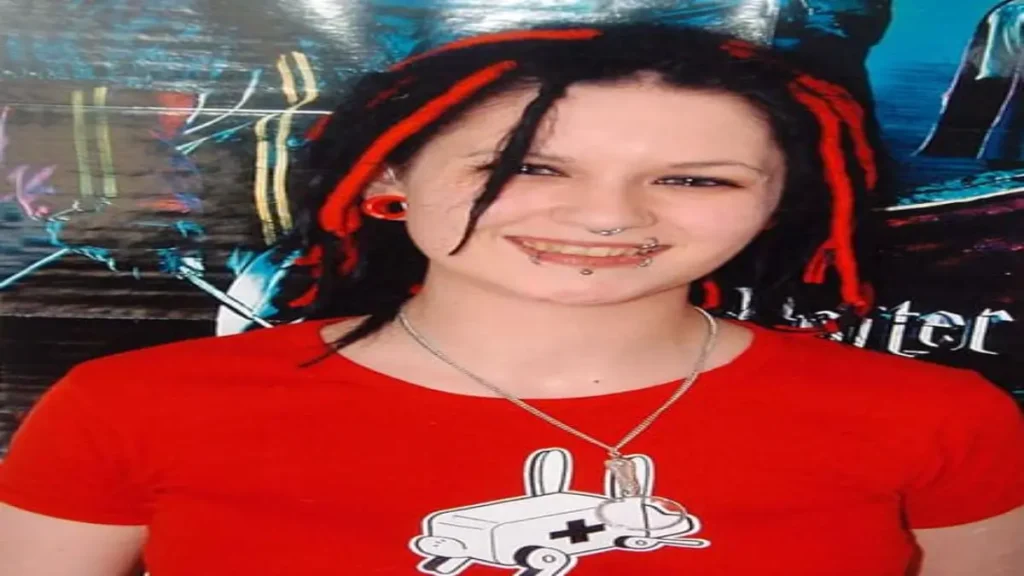
At 11.40 pm on August 10, 2007, Sophie Lancaster, 20, and her boyfriend Robert Maltby, 21, left their friend’s house in Bacup after a night of drinks. They were styled as goths, with distinctive makeup.
As they were walking home, the two stopped at a local petrol station to buy cigarettes. They came across a group of local teens who seemed friendly. The teens struck up a conversation, and trusting their demeanour, the couple decided to walk with them.
They walked into a skate park section of Stubbylee Park, and suddenly the atmosphere changed. The teens began shouting verbal abuse, jeering the couple for their boots, their piercings and goth-style clothing.
Without any provocation, the gang of teens swarmed Robert, kicking and punching him till he was unconscious. Sophie threw herself over Robert to protect and shield his head, but the group turned on her.
Two of the attackers, Brendan Harris and Ryan Herbert, who were both 15, dragged her off Robert and repeatedly kicked her in the head. One of the witnesses later stated the boys literally jumped up and down on her head. “He stood next to her, and he turned and volley kicked her like a ball in flight”.
One attacker apparently stated, “there’s nowt left to do but kill them.” Sophie and Robert were left critically injured and unconscious. The teens fled the park, bragging among themselves and their friends, saying, “There’s two moshers nearly dead up Bacup park… they’re a right mess.”
Feeling they had gone too far, one of them opted to call an ambulance to the scene. At the scene, the paramedics could not even effectively apply first aid measures due to the scale of the damage to both teens. They were not even able to ascertain their genders at first glance.
Sophie and Robert had to be kept in a coma pending significant medical intervention. In Robert’s case, the swelling in his brain reduced gradually, and he regained consciousness in two weeks. He was subsequently discharged on August 24, 2007.
When Sophie’s mother, Sylvia Lancaster, was informed, she was devastated. “I walked into that hospital room, and I couldn’t recognise my own daughter. You walk into that room, and your whole life is just gone. It will never be the same.”
For Sophie, the damage was so much that the doctors even struggled to determine her facial structure or get viable entry points for monitoring. The brain trauma was so significant that they transferred her to Fairfield General Hospital in Bury.
As her condition worsened, she moved to the specialised neurology unit at Hope Hospital. Here, she went on life support to control breathing and manage the swelling. Doctors also monitored her brain activity continuously.
After 13 days of neurological testing and monitoring, it was determined there was no hope of recovery. Sophie died on August 24, 2007.
Investigations Ensue into the Attack
Lancaster police initiated an investigation, assigning 40 officers and forensic specialists to this case. This investigation faced hurdles because multiple local teens were roaming the park area that night.
Several local teenagers broke ranks with those who attacked the couple over what they had witnessed that night. They provided statements to the police and described how the boys jumped on Sophie’s head.
This led the police directly to specific teens. Firstly, forensic scientists examined the bruising on Sophie’s head and matched the tread marks left on her skin to shoes worn by Brendan Harris and Ryan Herbert.
During the initial interviews on August 11, Harris apparently laughed with his mother, seemingly detached from the entire situation.
His mother was joining in the laughing and joking while Harris was being interrogated. Detective Superintendent Gradwell chastised the parents, saying, “I am very critical of some of the parents involved. I really don’t think they have taken completely seriously how repulsive this incident was.”
Harris admitted to drinking a lot of alcohol that night and said he threw the first punch at Robert to show off to his friends. Senior detectives then stopped the casual questioning and spelt out that Sophie was on life support at the time, and probably would not make it, meaning murder charges were on the table.
Herbert, though, initially refused any involvement with what happened to Sophie. When he was presented with the witness statements from his friends saying he kicked her, Herbert tried to deflect the intensity of the blows.
Gradwell later added that neither of them was aware of what they had done. They seemed to be without remorse and enjoyed the violence as it was happening to Sophie and Robert.
The Trial and Sentencing
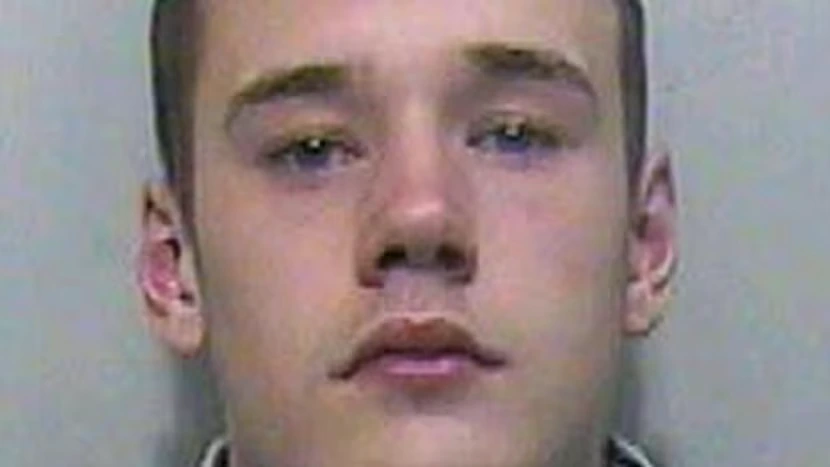
On October 18, 2007, the five suspects, who, apart from Harris and Herbert, included 16-year-old Joseph Hulme, 15-year-old Danny Hulme, and 16-year-old Daniel Malley, appeared at Burnley Youth Court, where the magistrate formally referred the case up to the Higher Crown courts.
There was a preliminary hearing at Preston Crown Court on 31st October. They were formally indicted for the murder of Sophie Lancaster and the grievous bodily harm with intent for the assault on Robert Maltby.
Judge Anthony Russell used the hearing to lock in the trial timeline. He then ordered a plea and case management hearing. This would be the date the teens would enter their formal pleas.
He set March 10, 2008, as the trial date if the suspects claimed they were innocent. On the day, all five changed their pleas to guilty for the assault on Robert Maltby. Herbert changed his plea to guilty for the murder of Sophie, but Harris maintained his innocence, leading to a trial.
As Harris was the only defendant on trial for murder, he set a defence strategy of blame shifting. He stated that Herbert alone killed Sophie while Harris himself participated in the attack against Sophie.
Prosecutor Michael Hensell began by providing a motive for a hate crime. He argued the couple was targeted because of their styling. “Sophie and Robert were singled out not for anything they had said or done, but because they looked and dressed differently.” He also described the teen’s behaviour as like that of a pack of wild animals.
He also discussed Harris’ state of mind, considering the amount of alcohol they had all consumed at the time. This included a bottle of lager, two litres of cider and peach schnapps.
The jury was treated to the 999 emergency call from a teen girl at the park, screaming for help. The sounds of the boots stomping on Sophie’s skull in the background were very audible.
Harris claimed that he never intended to touch Sophie, but the forensic pathologists showed photographs of her head injuries. The stamp marks on the face were a perfect match for the soles of the Harrises’ shoes.
Then came the witness testimonies. Multiple teens brought to the stand described watching Herbert and Harris stomp on Sophie as she protected Robert. They claimed the boys were jumping up and down on Sophie’s head. They kicked it about like a ball.
When Harris was brought to the stand, he shifted tactics, minimising the level of his participation. He claimed to have been doing it to show off because he was drunk. When the violence escalated, Harris claimed to have panicked, and it was Herbert who did most of the kicking.
After two weeks of deliberating, the jury rejected Harris’s claims and gave a guilty verdict for murder. The presiding judge, Anthony Russell QC, decided to lift the anonymity of the teens, allowing their names to be published by the media as well.
Judge Russell sentenced Harris and Herbert to life in prison. Though they had varying minimum terms before they could seek parole. Harris could do so in 18 years, while Herbert could do so in 16. The other three teens were sentenced because of the near-fatal assault on Robert.
Joseph Hulme and David Hulme were sentenced to 5 years and 10 months. David Mallet was sentenced to 4 years and 4 months.
Legal Appeals and Tariff Reductions
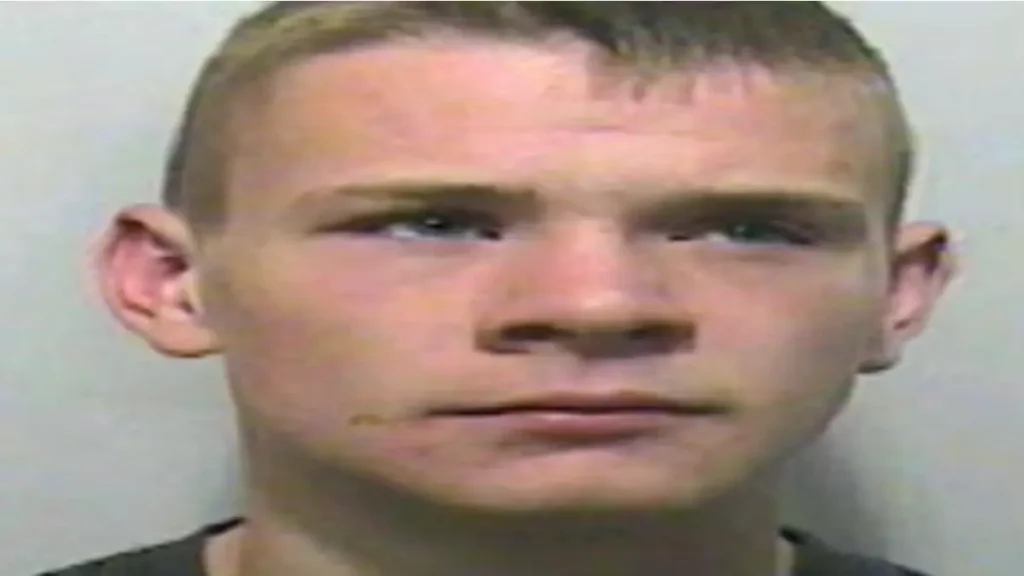
In 2008, all defendants began appealing their sentences to seek reductions. These varied significantly in result. In October 2008, the Court of Appeal dismissed appeals filed by the Hulme brothers and Mallet.
Though after serving half of their respective terms in prison, they were automatically released. Mallett in 2010 and the Hulme brothers in 2011.
The first reduction for Herbert’s legal term was in October 2008. The Court of Appeal cut the minimum term to 15 years and 6 months. Then the Lord Chief Justice determined the initial judge had not provided Herbert enough credit because he pleaded guilty.
There was another attempt to reduce the sentence in 2016, but that failed. In 2020, a High Court judge reviewed the case and cut Herbert’s term to 14 years and 6 months. This was because Herbert was allegedly making progress in prison. In 2022, the parole board declared Herbert suitable for release from prison on license.
Harris did not have the same luck with the term reduction as the appeal in 2008 was refused by the Court of Appeal. There was a review in 2020, but it was determined that he had not shown sufficient progress in prison to qualify for a sentence reduction.
While in prison, he was diagnosed with paranoid schizophrenia and transferred to a secure psychiatric unit. Harris also committed assault during hospitalisation. This earned him an additional 4 months on the original sentence.
After the assault, his trajectory changed. Harris enrolled in a specialised regimen and completed programs to address his history of violence. When he reached the minimum parole date in 2025, probation officers reported that he had sustained 13 years of non-violent behaviour.
He was not considered a danger to the public and was released on license.
Reactions from the Families
Sophie’s mother, Sylvia, expressed shock when the three boys were released, not to mention the controversial decision to relax the license and travel restrictions on Joseph Hulme.
This meant he was allowed to travel within five minutes of where Robert Maltby and his family lived.
When the parole board approved the release of Ryan Herbert, Sylvia was extremely vocal, stating, “Once again, we have a justice system that fails to deliver justice.”
It baffled her that a killer’s behaviour while they were in prison could be more relevant than the severe nature of what they had done. Sylvia also questioned how anyone could stack prison progress against the reality of the violence.
Robert Malby, though, took a logical approach concerning the narrative. In a discussion with the Guardian, he took an empathetic stance on the youths, saying, “I’ve never tried to demonise the attackers and, in many ways, they were victims.”
He explained that the teen boys were products of forgotten, often stagnant towns that typically bred nihilism.
The Sophie Lancaster Foundation
Sylvia channelled her grief into something that could last. A year after Sophie’s death, she created The Sophie Lancaster Foundation. This charity is dedicated to challenging prejudice against individuals from various subcultures.
The foundation runs education programs in schools, collaborates with police, and campaigns for reform. The acronym SOPHIE represents Stamp Out Prejudice, Hatred and Intolerance Everywhere. This initiative has facilitated workshops for over 250,000 people across the United Kingdom.
Sylvia’s advocacy has also gained recognition at the highest levels. She got an MBE in 2014, and the foundation contributed to the Hate Crime Action Plan set up by the Home Office.
The thing that makes Sylvia’s actions distinct is a refusal to remain reactive. Rather than only lobbying for strict sentencing, the foundation became a prevention machine, reaching people before violence becomes unthinkable.