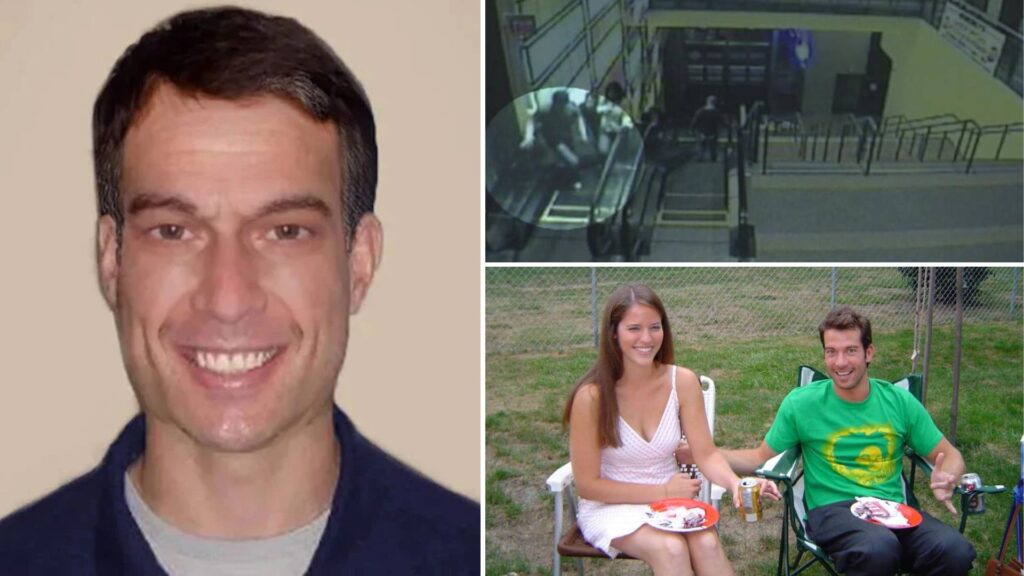
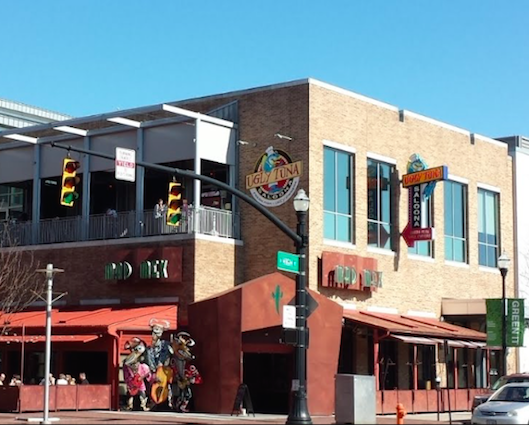
In the early hours of a spring night in 2006, a medical student walked into the Ugly Tuna Saloona, a crowded bar in Columbus, and never appeared walking out. Cameras watched the only public entrance. They recorded him arriving, talking, and moving toward the interior. After that, nothing.
The building sat in a student district filled with noise, alcohol, and routine late night trouble. Security cameras existed precisely because the area had enough crime to worry owners and property managers. That should have helped investigators. Instead, it created a puzzle that has stayed unsolved for years.
The missing man was twenty seven year old Brian Shaffer, a second year medical student at Ohio State University. Friends and teachers described him as sociable, funny, and hardworking, someone who could move easily from late study sessions to relaxed nights with music and drinks.
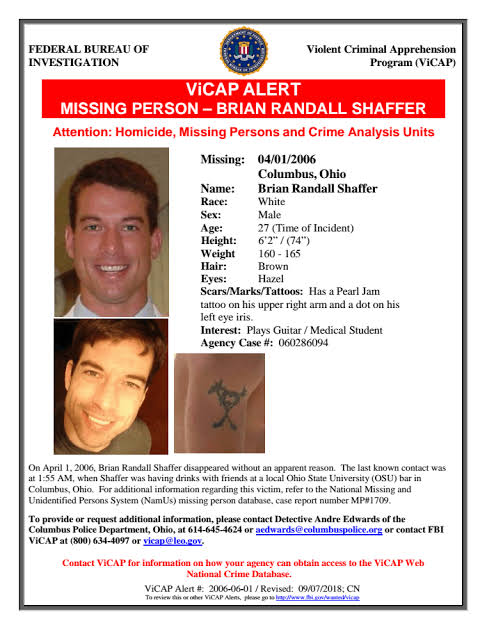
He had grown up in Pickerington, a suburb outside Columbus, the older of two sons. He completed a degree in microbiology before starting medical school in 2004. He loved tropical places, talked about starting a band, and listened to Pearl Jam often enough to tattoo their stick figure on his arm.
By March 2006, his life carried both promise and strain. His mother, Renee, had recently died from a blood disorder, something that family members said weighed heavily on him even when he looked composed. At the same time, he was progressing through a demanding curriculum and looking toward a career in medicine.
He was also in a serious relationship with another medical student, Alexis Waggoner. They had planned a spring break trip to Miami at the beginning of April. Those close to them believed he might propose during that vacation, since he often talked about a future with her and about warmer coastal cities.
On Friday, March thirty first, classes ended for spring break. Brian and his father, Randy, marked the moment with a steak dinner. Randy later said his son looked tired from long nights of study and that he quietly worried about him going out afterward, although he chose not to voice that concern.
After the meal, they parted. Later that evening, Brian headed toward the campus entertainment district to meet his friend William “Clint” Florence. The plan was simple and common for students at the time. They would drink, visit a few bars, and enjoy the beginning of a rare free week.
Around nine at night, Brian and Clint arrived at the bar that would become the center of the case. A little after ten, he phoned Alexis, who was visiting her family in Toledo before their flight. He sounded relaxed and cheerful, and nothing in that call suggested trouble ahead.
The two men moved through several establishments as the night progressed, reportedly taking one shot of liquor at each stop as they walked toward the Arena District. At some point after midnight, they met a friend of Clint’s named Meredith, who later gave them a ride back to their starting point for a last round.
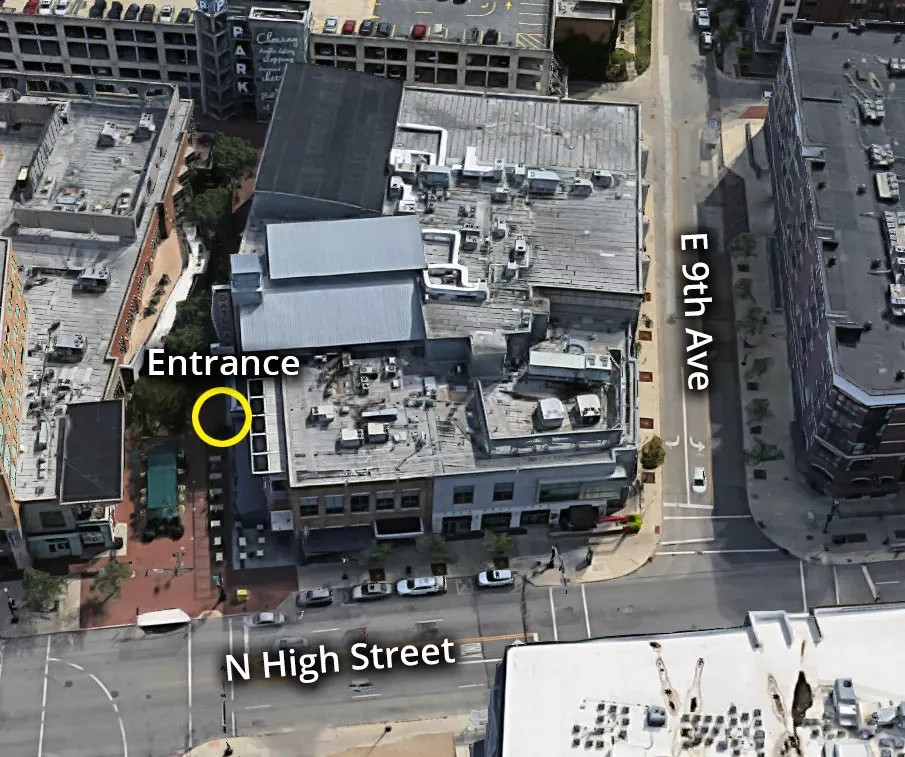
Security footage from the building shows the three ascending an escalator toward the bar entrance at about 1.15 a.m. The cameras, mounted because the complex had struggled with crime, recorded the movement of patrons entering for late drinks before closing time. At that point, everything looked ordinary and routine.
Inside, the place was busy, and the group eventually became separated. Around 1.55 a.m., cameras pointed toward the entrance recorded Brian briefly outside, speaking with two women. They later said he was friendly and that he said goodbye before turning away, moving toward the inner area again.
The bar closed at two. Patrons filtered out and moved down the escalator or toward the exits, as recorded by the same camera. Staff and security watched people leave. Clint and Meredith waited near the front, calling and looking for Brian, then eventually left when the crowd thinned and there was no sign of him.
The next morning, Alexis tried calling as they were supposed to leave for their flight to Miami. His phone went to voicemail. She assumed at first that he had overslept or was delayed, but as the day continued without any response, concern deepened into alarm, especially when he did not turn up for the scheduled departure.
By Monday, when he missed important commitments and there were still no answers, his father and brother reported him missing. Investigators started at the last confirmed location, focusing first on the building housing the bar and its security system, because that was where the timeline currently ended.
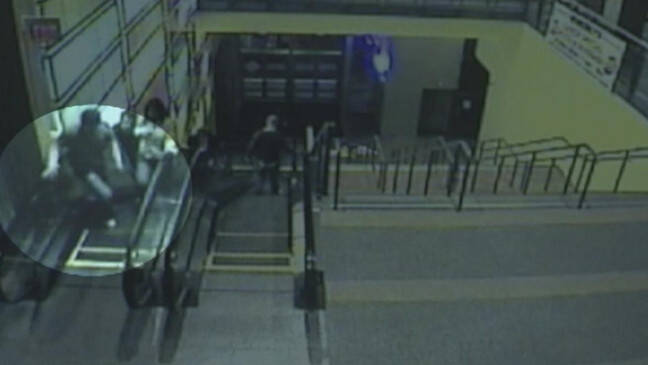
The complex had multiple cameras covering public approaches and internal points. Reviewing the recordings, police saw him clearly moving up the escalator earlier in the night and later standing near the entrance doors at 1.55 a.m. He then stepped slightly out of frame toward the inner corner of the bar’s front.
The most striking finding was absence. The same entrance view showed other customers leaving after closing, many of them in close groups, yet none resembled Brian. Officers checked the footage repeatedly, considering whether changes of clothing, caps, or lowered heads might allow someone to slip past recognition.
They also examined a service route near where he was last seen. Behind the public entrance, a door led to a back hallway on the first floor. At that time, part of the area connected to a construction zone with its own exit to the outside, cluttered with equipment and partially unfinished surfaces.
Some investigators believed navigating that area, especially after drinking, would have been physically difficult and hazardous. The corridor held obstacles, uneven sections, and limited lighting. A person moving through it could trip, fall, or become injured without immediate notice if nobody else happened to be passing through.
Two cameras partly observed that section, one panning continuously and another controlled by security personnel. Neither produced clear evidence of Brian leaving through that route, which kept attention on the region but did not resolve anything. Officers later said they felt confident he had not exited by the main escalator.
Police also requested recordings from nearby establishments to see whether he appeared further along the street or inside other venues after closing. Footage from three additional bars failed to show him. In effect, his movements ceased to be visible immediately after that brief conversation near the entrance.
With recorded images exhausted, the search shifted to the surrounding environment. Officers and dogs combed alleys, loading areas, and nearby lots. They checked dumpsters and large containers, asked residents and workers whether anyone had seen a disoriented young man, and looked for signs of a struggle or discarded belongings.
Investigators also gained access to the sewers beneath adjacent streets. Teams moved through underground routes looking for any trace of a body or clothing. Nothing useful surfaced. The absence of physical evidence matched the absence on tape, and the case stalled with a nearly clean last known point.
At his nearby apartment on King Avenue, his car still sat parked outside. Inside, there were no signs of packing, disturbance, or hurried departure. His bank accounts, credit cards, and phone records showed no transactions after that night, suggesting that if he had left by choice, he did so without using traceable resources.
Friends, family members, and others who had seen him that evening were asked to take polygraph tests. Randy agreed and passed. Meredith did as well, along with other witnesses. Clint declined, on advice from legal counsel, which later drew attention and differing opinions about what that decision might mean.
The two women who spoke to him near the entrance were identified later and stated that they had not been asked to undergo the same testing. They described him as friendly and in control during that short exchange, providing little that helped investigators understand what might have happened after he stepped away.
As days passed without progress, different lines of inquiry emerged from the same limited set of facts. One possibility considered his emotional state. He had lost his mother only weeks earlier, worked through rigorous examinations, and spoken admiringly about beach towns and different lifestyles far from Ohio.
That raised the question of whether he might have chosen to walk away from his current life. Under this scenario, he would have needed either outside help or careful preplanning, since he left behind his car, did not withdraw large sums of money beforehand, and did not use his documented accounts afterward.
Another direction focused on the physical layout of the building. If he attempted to use the service corridor connected to the construction zone, he could have suffered an accident out of camera view. A serious fall among debris or into an unguarded opening might, in theory, leave a body concealed within structural spaces.
This raised further questions about later renovations. Over time, work continued at the complex, with businesses changing and interiors updated. Some observers have wondered whether any remains, if present in inaccessible cavities or behind walls, could have been overlooked or unknowingly sealed in during subsequent construction activity.
A third line of thought examined the possibility that he did leave the bar area but in a way that the cameras did not easily register. Low frame rates, crowded exits near closing, and changes in clothing can make identification difficult, especially when reviewing many hours of footage at once rather than in real time.
In one segment, a man in a hooded sweatshirt exits with other patrons. Some viewers have speculated that Brian might have put on borrowed clothing, lowered his head, and blended into a cluster of strangers. Others argue that height, build, or gait in that image do not properly match him.
Another option considers harm outside the building. The district contained alleys, service roads, and partially screened corners where a brief confrontation could occur, especially if someone followed him or lured him toward a quieter patch near the construction entrance. A fast assault could leave limited noise in an already loud environment.
That scenario leads to questions about body disposal. For an incident near the building, anyone responsible would have needed a method to move and hide a body quickly, either within the construction area, in a vehicle, or in a location close enough to avoid notice while police presence remained low.
There is also the broader context of regional crime patterns. Some commentators have suggested a link to the so called Smiley Face Killer concept, which proposes an organized series of deaths among young men found near bodies of water in several cities. Law enforcement has remained skeptical of that theory in general.
Columbus has rivers and drainage routes within reach of the nightlife area. A person leaving the bar alone and intoxicated could, in principle, wander toward the water and suffer a fatal accident. Searches of accessible banks and sections of the nearby river system, however, did not locate his remains.
While investigators weighed these options, his family worked publicly. Randy organized searches, distributed flyers that showed Brian’s photograph, tattoo, and distinctive eye fleck, and became involved with local Crime Stoppers campaigns. He pushed authorities to keep the case active and pressed for more consistent handling of missing adult reports.
One result was legislative. Ohio later adopted what is often called the Brian Shaffer Law, which requires law enforcement agencies in the state to enter missing adult reports into national databases within a defined period. The change was meant to prevent delays and gaps that can occur when adults vanish without clear explanations.
Back at his apartment, a separate event briefly caught attention. On April eighteenth, someone broke into the unit Brian had shared with a roommate. Nothing significant appeared to be taken, and there was no obvious sign that whoever entered had left messages or tampered with personal items in a meaningful way.
Months later, in September 2006, his phone appeared to connect to a tower in Hilliard, a community several miles from the bar district. The call was from Alexis, who continued to dial his number regularly. She believed for a moment that it rang rather than going straight to voicemail.
Technicians noted that older mobile phones can sometimes register tower activity because of residual power, reactivation, or technical irregularities. There was no call answered, and the connection did not provide a precise location, only a rough area. Investigators did not identify any additional clues at that time linked to the ping.
In 2008, attention returned briefly to his digital footprint. According to some accounts, there was a sign of activity on his MySpace profile that year. Authorities reviewed that information and concluded that it likely did not represent him personally logging in but could have resulted from automated processes or unrelated access.
That same year, another development changed the family’s situation. In September, Randy was clearing debris in his yard after a windstorm when a falling tree limb struck and killed him. He died without learning what had happened to his son, closing one of the most persistent searches in the immediate family.
After his death, a message appeared in the condolence section attached to his obituary, reading in part “To dad, love Brian” and referencing the U.S. Virgin Islands. Investigators traced the post to a public computer in Franklin County and determined that it was a hoax, deepening the cruelty surrounding the case.
Those who remained close to the investigation held differing views. Brian’s brother, Derek, has said he believes Clint may know more than he has shared, pointing to a withdrawal from contact once police involvement increased. He has also stated that he thinks his brother would not have deliberately abandoned the family forever.
Alexis has expressed similar doubts about the idea that her partner chose to disappear on his own. She continued calling his phone nightly for a long time after the disappearance, holding on to the habit even as months passed, before later acknowledging that she now considers it likely that he died shortly after that night.
Clint’s lawyer, in a letter to a private investigator assisting the family, once suggested that detectives believed Brian was alive and that any pain the family felt came from his decision to stay away. The attorney said his client had already given all relevant information and saw little value in further questioning or testing.
Years later, tips still arrive periodically. Some describe supposed sightings. Others offer theories about where a body might be found. Law enforcement continues to log and assess these leads, though none so far have produced confirmation that he is alive or that remains connected to him have been discovered.
In 2019, a photograph of a man living on the streets in Tijuana circulated among people following the case because of a perceived resemblance. Local news in Columbus forwarded the image to detectives, who then asked the FBI to run facial analysis. The comparison ruled the man out as Brian.
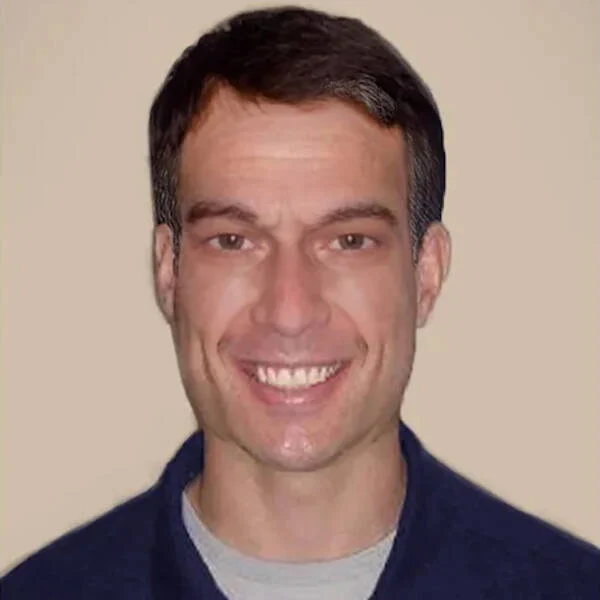
In March 2021, the Ohio Bureau of Criminal Investigation released an age progressed image showing how he might look in his early forties. The update was intended to refresh public awareness and encourage anyone who recognized the face to contact authorities, in case he had survived and was living under a different identity.
Today, the official case file fills boxes in storage, containing interview transcripts, search maps, technical reports, and years of tips. Investigators have said they keep a few main possibilities in mind but have declined to describe them in detail, leaving much of their thinking about those scenarios unwritten.