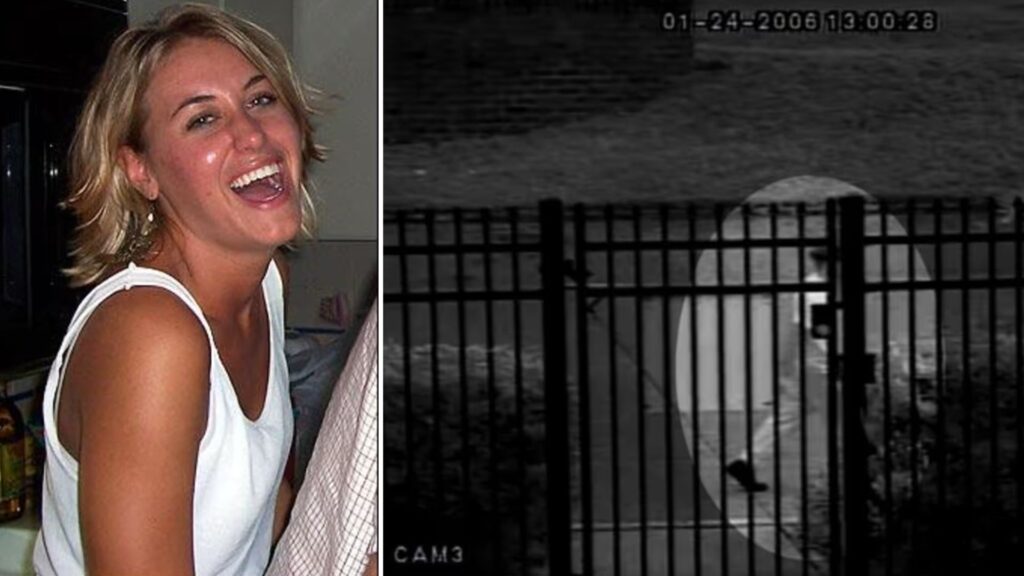
Jennifer Joyce Kesse was twenty four, settled into her first condo near Orlando’s Mall at Millenia, and back from a Caribbean trip with her boyfriend. On the night of 23 January 2006, she spoke to her parents and to him, sounded normal, and said goodnight.
The next morning she was expected at her job as a finance manager at Westgate Resorts in Ocoee. When she did not arrive and did not call, co-workers worried quickly. By late morning her office reached out to her parents, who knew immediately that something was wrong.
Drew and Joyce Kesse drove to her Mosaic at Millenia condo, a recently built complex where construction crews still moved in and out. Inside her home, they found signs of a normal morning. The shower was wet, makeup and toiletries were out, and clothes were laid on the bed.
Her work clothes appeared ready, suggesting she had started her usual routine. Yet her phone, purse, keys, work briefcase, and the outfit she likely wore when leaving were missing. Her car, a black 2004 Chevrolet Malibu, was also gone from its parking space in the lot outside.
An officer initially suggested she might have had a disagreement with her boyfriend and would return, a reaction her family later described as dismissive. As that day passed with no word, the case shifted from welfare check to missing person, and the search widened around the complex.
On 26 January, two days after she vanished, a resident at another housing complex, Huntington on the Green, noticed a black Malibu that matched news coverage of Jennifer’s car. Investigators confirmed it was hers, parked roughly a mile from her condo along a bus route.
The lot had surveillance cameras trained on the parking spaces. Footage showed an unidentified person parking Jennifer’s car around midday on 24 January, then walking away calmly. Three still images captured the figure, yet a decorative fence repeatedly blocked the face, hiding every clear frame.
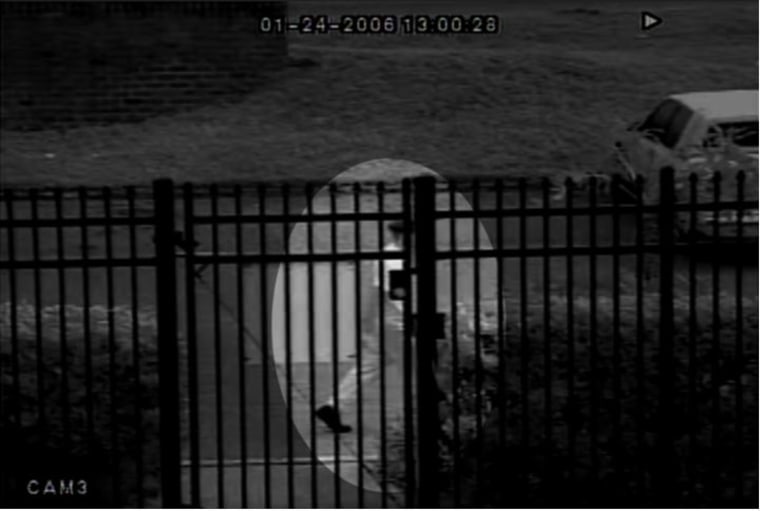
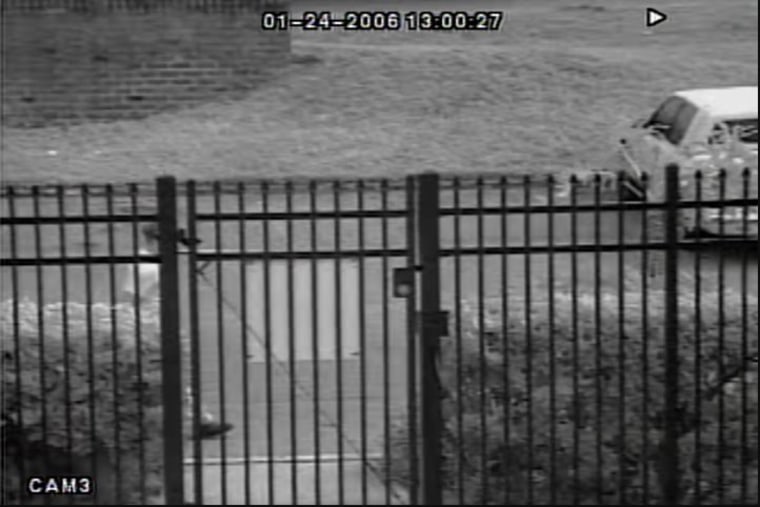
The person seemed between five foot three and five foot five, wearing work style clothing and walking with a steady, unhurried gait. The FBI and later NASA specialists tried to enhance the footage and estimate height and build, but no confident identification followed from the blurred material.
A search dog followed a scent trail that ran from where the car had been left back toward Jennifer’s own complex. Detectives took this as a sign that whoever abandoned the Malibu may have walked away in that direction, possibly returning to or passing near the Mosaic property.
Inside the car, investigators reported only one latent print and a small DNA fiber, and concluded the vehicle had likely been wiped down. Valuables were still inside, which made robbery seem unlikely as a motive. Her bank cards and accounts showed no activity after the disappearance.
The early police narrative held that she had left her condo for work that morning and was taken while walking to or getting into her car. With no clear signs of struggle inside the home and a locked front door, investigators leaned toward an abduction just outside the building.
Later, when her family obtained case records, photos of the car showed dust patterns and marks on the hood. A private investigator and her relatives believed those marks resembled the outline of a body being pushed or pressed against the metal, suggesting a possible confrontation near the vehicle.
Jennifer had bought the condo only months earlier and was proud of the step into home ownership. Yet construction in the complex brought rotating groups of workers who sometimes stayed in empty units. She had told relatives that some of them stared at her and made her feel watched.
Her uncle later wrote that she felt uncomfortable enough to lodge a formal complaint with the property management company. She lived alone, parked in an exposed lot, and walked past work crews to reach her door. The sense that someone inside that environment targeted her became a central theory.
From the first days, the family pushed for more aggressive searches. Volunteers handed out flyers, combed fields and retention ponds, and checked wooded areas near the condo and the second complex. Nothing tied directly to Jennifer turned up despite that attention and the media coverage.
Investigators interviewed her boyfriend, close friends, and ex partners, looking for strained relationships or hidden conflicts. They examined her recent holiday to Saint Croix, her work environment, and any sign that she might have chosen to leave. They reported no indication that she planned a disappearance.
The person in the video became the focus. Detectives released the images publicly, hoping someone would recognise the clothing, posture, or way of walking. Family members studied the stills repeatedly, yet no one recognised the figure as a co-worker, neighbour, or friend from Jennifer’s circle.
Over the years, attention turned repeatedly to labourers linked to the condo construction. A private investigator hired by the Kesses believed the most plausible scenario involved a worker who had watched Jennifer, learned her patterns, and approached her in the parking area as she left for work.
Other paths were examined and faded. Investigators considered whether she might have fallen victim to a random stranger near the Mall at Millenia, whether a co-worker could be involved, or whether someone she knew from a previous relationship could be responsible. None of those directions produced charges.
Years passed without an arrest. In 2016, Jennifer was declared legally dead by the state of Florida, a bureaucratic step her family accepted with reluctance. The Orlando Police Department still classified the investigation as active, yet progress remained slow and leads rarely moved forward.
Frustrated with limited access to records, the Kesse family sued the city of Orlando and its police department to obtain the investigative file. In 2019 they reached a settlement that granted more than sixteen thousand pages of documents and dozens of hours of video and audio.
Those records revealed details the family said they had never been told, including indications that DNA had been collected from the car and that the hood might show signs of a struggle. They also clarified timelines, witness statements, and early decisions that the family believed had harmed the case.
The family poured significant personal funds into private investigation work, analysis, and legal costs. Crowdfunding through a “Help Us Find Jennifer Kesse” campaign helped cover expenses as they hired former federal agents and specialists to review files and pursue overlooked witnesses.
In December 2022, the Florida Department of Law Enforcement took over the cold case review from Orlando police. That shift meant state level investigators would go back through existing evidence, interview people again, and decide what physical items warranted renewed forensic testing with newer methods.
FDLE announced that they intended to speak with dozens of people and revisit evidence the family believed had never been fully analysed. They acknowledged that earlier forensic work had limits and that advances in DNA technology and digital tools could open new avenues.
On 20 May 2025, Jennifer’s forty fourth birthday, FDLE reported that they had reviewed thousands of pages of documentation and interviewed about forty five individuals. They publicly stated that several persons of interest had been identified and that the case should no longer be considered cold.
Officials said they were exploring how artificial intelligence might help with the grainy surveillance footage, potentially analysing gait, clothing, and body proportions from the three key frames. For the family, the idea that technology could refine that long familiar image offered a small measure of renewed hope.
Through these years, the Kesses kept Jennifer’s name visible, especially on social media. Posts on their “Find Jennifer Kesse” pages marked every anniversary, thanked volunteers, and summarised what remained unknown. They asked the same central question repeatedly, which was how such a visible case could lack direction.
On 24 January 2025, nineteen years to the day since she was reported missing, they wrote that it felt inconceivable that no clear path had emerged despite the publicity. The post thanked lawyers, private investigators, and FDLE partners, and again urged anyone with information to contact Crimeline.
By mid 2025, news outlets reported that the family hoped potential DNA evidence still preserved from the car and other items could now be reexamined. Articles noted dust on the vehicle, earlier statements that little evidence existed, and later records suggesting biological material had indeed been collected.
In July 2025, Drew Kesse spoke publicly about his belief that the original investigation had been mishandled and that delays in evidence processing had cost time. He continued to push for open communication with FDLE and for any possible forensic testing that could narrow the suspect pool.
The major shift came in October 2025. On 21 October, Drew posted an update stating that FDLE had located DNA within previously untested evidence related to Jennifer’s case, something that contradicted earlier claims that only steering wheel material had yielded genetic information.
He explained that this new DNA finding allowed investigators to greatly reduce the list of potential suspects. The family had long pressed for clarity about which items had been examined. News reports emphasised that this was the first time authorities had publicly acknowledged new, testable biological material.
Coverage from local stations underlined that the case was now officially treated as active, not cold. FDLE representatives said they were still speaking with persons of interest and using modern techniques to evaluate evidence. They did not disclose whose DNA had been found or what comparison work was underway.
Within days, television and online outlets reported that nearly twenty years after Jennifer vanished, fresh forensic work was in motion. A Fox true crime segment noted that the new DNA was being tested for the first time and framed it as the most significant update in years.
On Reddit and other forums, followers of the case discussed the implications. Posts summarised Drew’s statement, the announcement that the suspect pool had narrowed, and the confirmation that a documentary series titled “House of Broken Dreams: The Jennifer Kesse Story” was moving into production for release in 2026.
The family’s October update stressed that they finally felt closer to understanding what happened. It said that, for the first time in many years, those working the case believed they had a realistic chance to identify who took Jennifer and why, based on that newly recognised DNA.
At the same time, they reminded followers that official details remained limited. Investigators had not named suspects, described the nature of the genetic sample, or explained whether it came from the car, from clothing, or from another item in the evidence inventory.
What is clear from the public record is the arc of the investigation. A twenty four year old woman vanished between her bathroom mirror and her car. An unknown person calmly parked her Malibu one mile away. The clearest visual clue remained blurred behind metal bars.
Over nearly two decades, the case moved from local police control to a state cold case unit, and the family moved from waiting on phone updates to reading thousands of pages of their own. Each shift revealed more information and exposed gaps they believed slowed any path to resolution.
Through all of this, Jennifer’s life before that morning sometimes risks fading behind the procedural detail. She was a university graduate, a reliable employee, close to her parents, in a serious relationship, and planning an ordinary week when she disappeared from an ordinary parking lot.
As of late 2025, FDLE says the investigation continues with several persons of interest under review and new DNA evidence being processed. The Kesse family keeps posting, speaking, and reminding people that behind every technical update sits a daughter whose routine stopped on a January morning.
If anyone has information about Jennifer Kesse or recognises anything about the person seen parking her car, contact Central Florida Crimeline at 1-800-423-8477, email OROCColdCaseTips@fdle.state.fl.us, or reach out through FDLE. Even a small detail could help move the case forward.