




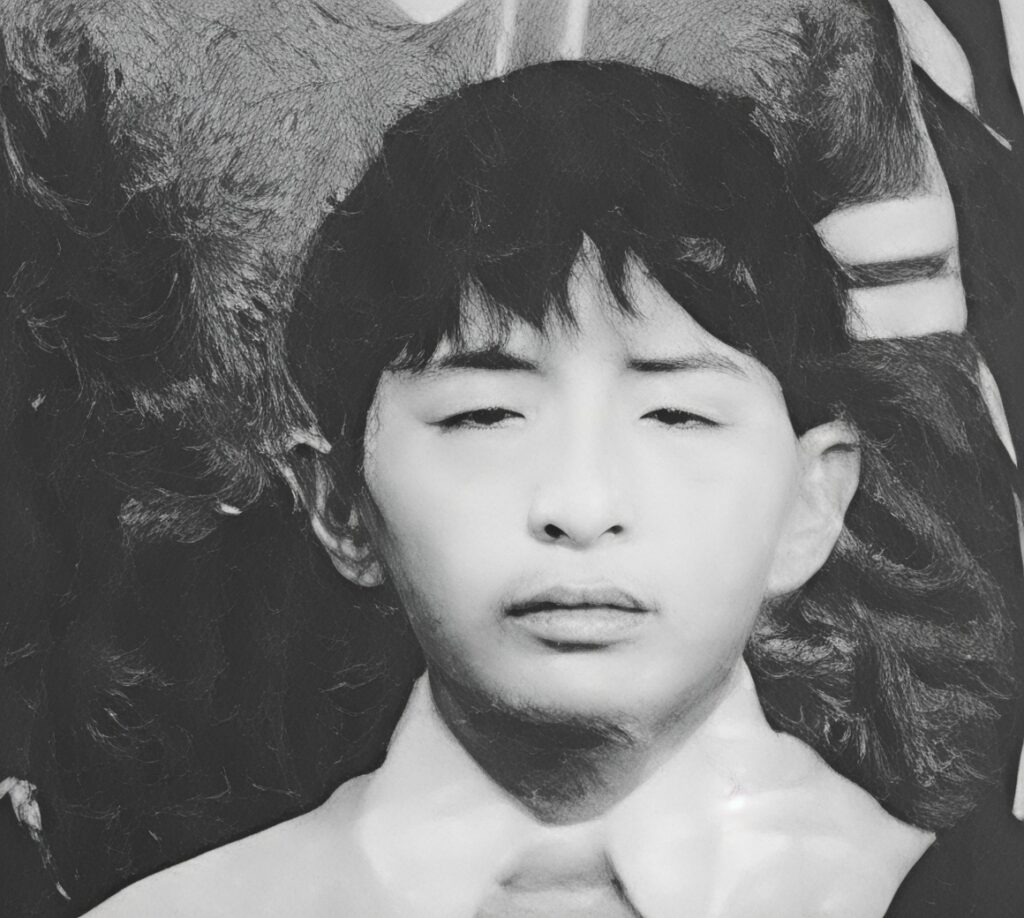
The mother of Mari Konno, who was Tsutomu Miyazaki’s first victim, stared in shock at the postcard in her hand. It had been mailed to her family’s address and read, “…there are devils about”. She wondered if the postcard had been sent by a concerned stranger.
Then she remembered the long, silent calls the family had started receiving regularly. As a well-adjusted adult, she had no way of comprehending the depth of Tsutomu Miyazaki’s depraved need to taunt the family members of his innocent victims.
Over the next few weeks, Mari Konno’s family would receive mementoes like a cardboard box holding some of her teeth and charred bone fragments.
The extent of Miyazaki’s malevolence would be revealed over the next few weeks as prominent Japanese newspapers like ‘Asahi Shimbun’ informed a horrified and disgusted public about his necrophilic tendencies.
Tsutomu Miyazaki’s troubled childhood
Tsutomu Miyazaki was born in 1962 and hanged in 2008. He was a Japanese child serial killer who also abused his victims’ bodies and ate their flesh. He murdered four children in Japan between 1988 and 1989.
His case shocked the nation due to its extreme cruelty. People pointed to his obsession with violent erotic anime, manga, and porn videos.
These later fueled public debates on the media’s role in crime. Miyazaki was born prematurely and weighed about four pounds. This caused lasting deformities in both hands.
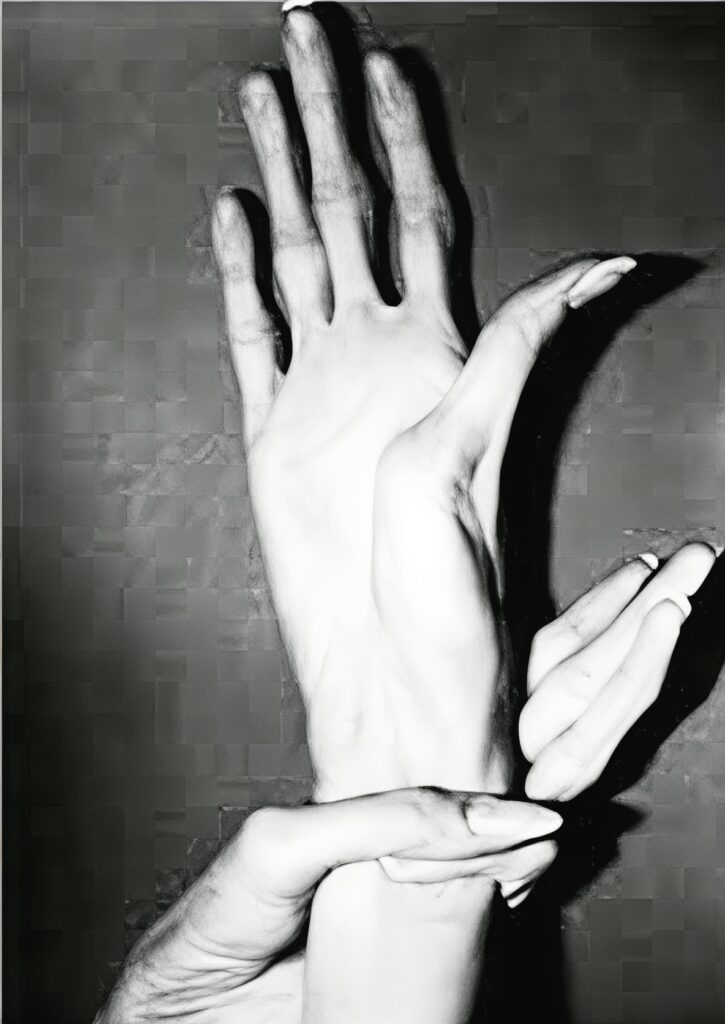
They were claw-like, gnarled, and fused straight to his wrists. He lacked normal finger use and had to move his whole forearms for daily tasks. His parents stayed busy with business, politics, and social duties.
So Tsutomu spent most of childhood alone or with his aging grandfather. He preferred home to school, where his hands made him a target. At Itsukaichi School, the deformity brought social rejection during his elementary years.
In mid-century Japan, families often hid disabled kids in institutions. This pushed him to isolate himself. Early exclusion stunted his social skills and created a reclusive nature that lasted into his teen years.
He passed the entrance exam for Meidai Nakano High School, a top school in Nakano, Tokyo. It is linked to the prestigious Meiji University.
At first, Miyazaki did well and ranked high. But his grades dropped fast. He graduated in 1981 ranked 40 out of 56. This ended his chance to enroll at Meiji University.
Graduation and Social Isolation
After graduation, Tsutomu Miyazaki stayed at home and depended on his family for money and support. He took odd jobs like printing shop work and slowly developed a strong sense of inferiority.
Miyazaki could not talk to girls easily. He felt awkward and unsure of how to act around them. This lack of connection with women troubled him a lot. Tsutomu Miyazaki grew pre-occupied with finding long-lasting female companionship.
To cope with his unrequited feelings, Miyazaki started to visit tennis clubs and watch female tennis players regularly. There he took pictures of the girls and young women playing tennis, and would later use these pictures to masturbate.
In his mind, the images became a way to feel power and control over his own life and circumstances. They also kept him more alone, lost in his own thoughts.
Miyazaki’s fascination with the otaku subculture also grew. He became increasingly obsessed with animated pornography, anime, and horror films. Otaku culture began in the 1960s with early anime characters like Astro Boy.
Otaku culture enthusiasts are deeply immersed in anime, manga, and video games. They are usually intensely dedicated to collecting items, creating fan art, and contributing in Otaku-centered online forums or conventions.
Otaku culture enthusiasts also prioritize niche knowledge over mainstream social norms, and usually have reclusive lifestyles.
Tsutomu Miyazaki came from a powerful family. His father owned a newspaper. He had no interest in taking over the business or working there in any way. His actions became more strange.
His younger sister caught him watching her shower through a crack in the door. When she confronted him, he attacked her. She told their mother about it. Their mother was upset with Tsutomu’s shut-in life.
She blamed it on his love for anime. She told him to get a job. Tsutomu did not respond like a normal adult. He attacked his mother too.
Tsutomu Miyazaki’s Crime Spree and Four Victims
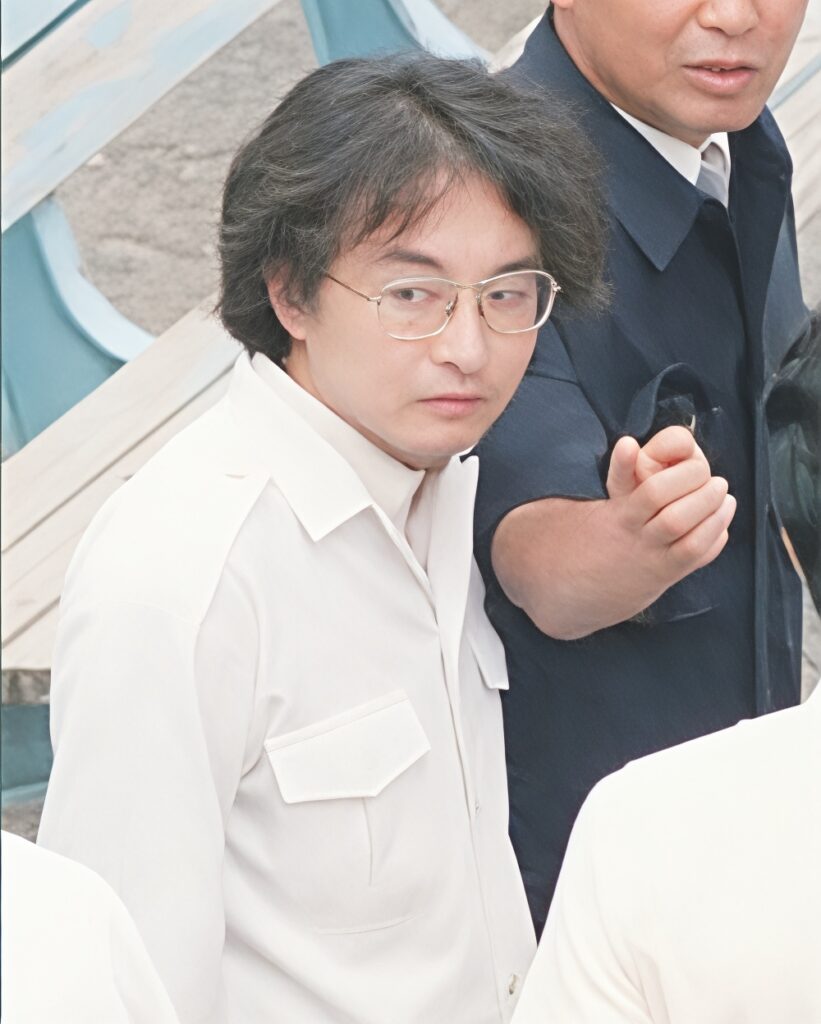
On August 22, 1988, Tsutomu abducted a young girl named Mari Konno. She was at a friend’s house when he forced her into his car. He drove to a quiet wooded spot and parked under a bridge. They sat in the car for minutes with no one around.
Then Miyazaki turned to Mari and strangled her until she died. After that he sexually molested her dead body. He left her corpse in the hills near his home. He carried Mari’s clothes away with him.
Later Miyazaki sent some of Mari Konno’s remains back to the Konno family. He mailed them a number of her teeth and charred bone pieces. He also sent Mari Konno’s family a postcard that read, “Mari. Cremated. Bones. Investigate. Prove.”
Miyazaki kept Mari Konno’s severed hands and feet in his apartment. The police spent 2,930 days going from house to house near Mari’s home, looking for clues concerning Mari’s disappearance.
They asked neighbors, teachers, shop owners, and anyone who might have seen something. They also printed 50,000 posters with Mari’s picture and sent them out.
The posters went to police stations, train stations, subway stops, and bus terminals all over Japan. Moreover, no one came forward with clear proof. Even police dogs could not pick up Mari’s scent. Her trail was gone, and the case stayed cold.
Six weeks after Mari Konno’s disappearance, Miyazaki killed again. On October 3, 1988, he drove through Hanno, which is in Saitama Prefecture. It was afternoon and the streets were normal and busy.
He saw a seven‑year‑old first‑grader named Masami Yoshizawa walking along the roadside. She was alone. Miyazaki pulled up beside her and coaxed her into his car. He then drove her to the hills above Komine Pass.
This was the same place where he had left Mari’s body. There he strangled Masami Yoshizawa to death, just as he had done to Mari.
Then he stripped off her clothes and sexually abused her corpse. He left Masami Yoshizawa’s body about 95 meters from where Mari’s bones lay.
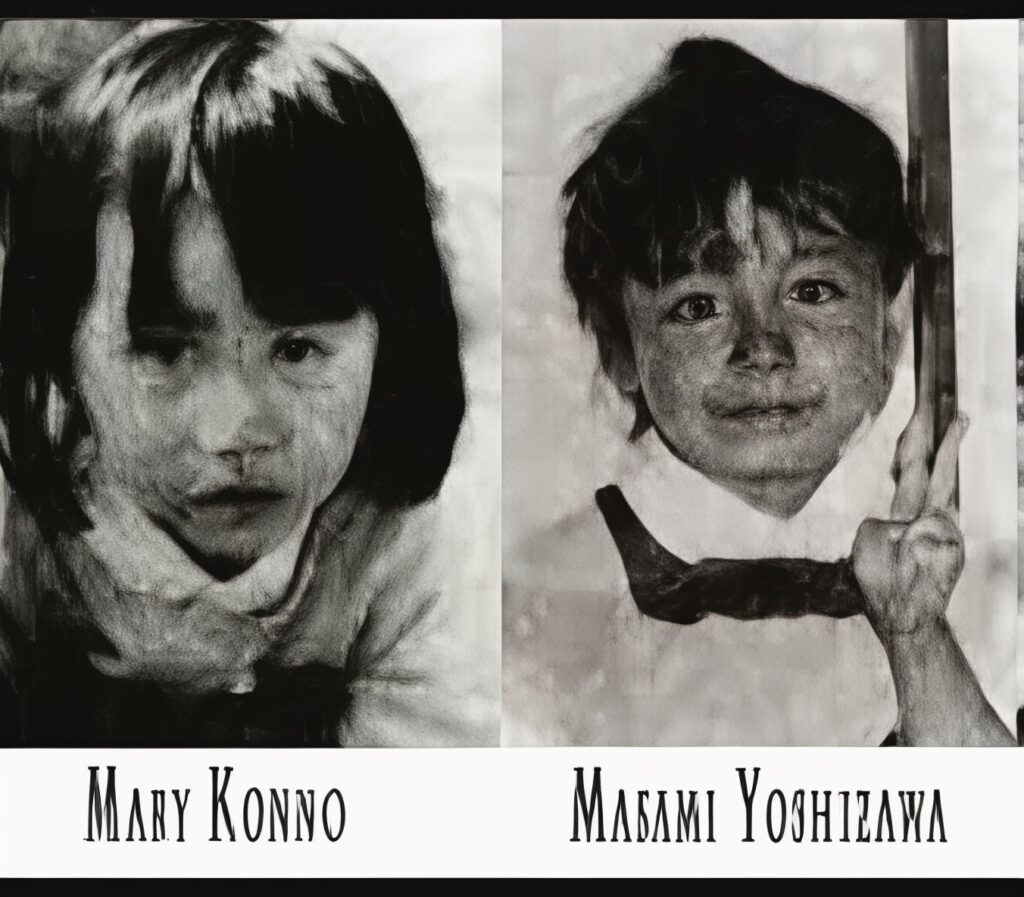
That night Masami’s family reported her missing to the police. Local search parties spread out across the hills and roads. Men walked in groups, shining flashlights into bushes and ditches. Soon Masami’s face appeared on hundreds of posters issued by the police.
Police put up posters in community centers and spent more than 2,300 days asking people in the area about Masami Yoshizawa. Her home was only 13 km from Mari Konno’s home. Police began to think the two cases might have the same perpetrator.
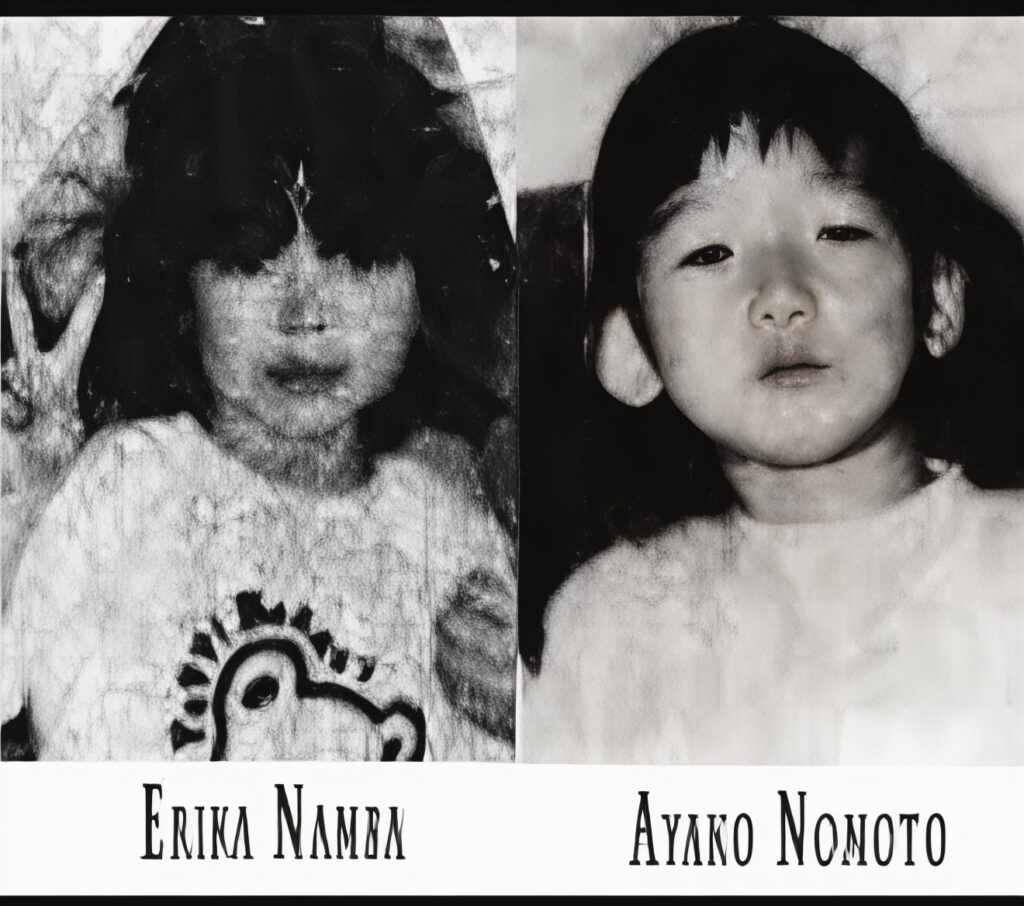
Tsutomu Miyazaki’s next victim was four-year-old Erika Namba. She walked home from a friend’s house, like many other kids did. Miyazaki pulled his car up beside her and stopped. He grabbed her from the street and pushed her into his car.
He drove to an empty parking lot with no people around. There, he told Erika Namba to take off her clothes. He took pictures of her nude body with his camera. Then he killed her and tied her hands and feet behind her back.
He placed a bed sheet over her body and left her in a different parking lot. Three days later, someone found Erika’s remains in that parking lot and called police. Officers arrived and saw the small body under the fabric.
Days after, Erika’s parents got a note in the mail. The words were cut from magazines and pasted on a card. The sentence read, “Erika. Cold. Cough. Throat. Rest. Death.” This showed Miyazaki’s need to watch and taunt victims’ families from the shadows.
Six months passed before Tsutomu Miyazaki took another child. Five-year-old Ayako Nomoto wandered outside when he walked up to her. He asked if he could take her picture. She agreed and followed him to his car.
Once she had entered the car, Tsutomu Miyazaki killed her. He then placed Ayako Nomoto’s remains in the trunk of his car instead. Then he drove back to the place where he lived.
Over the next two days he took more pictures and videos of Ayako Nomoto’s corpse. Soon Ayako’s body began to decompose. Miyazaki knew he could not keep her there without being noticed. At first he thought of throwing her remains in different places.
However, he changed his mind and opted to place Ayako Nomoto’s body parts in his wardrobe at home. He put them right beside the severed hands and feet of Mari Konno, which were already putrefying.
Later, he would admit to drinking blood from Ayako’s severed hands, and eating pieces of her remains. A year after he killed Ayako, Miyazaki saw two young girls playing in a park near their homes. He watched them for a bit.
Then he walked over and tried to talk to one. He got her to follow him. The other girl felt unsafe and ran home.
She told her father a man was talking to her sister. The father rushed to the park right away. He feared what he might find. There, he saw a stranger holding his younger daughter.
Tsutomu Miyazaki arrested and investigated
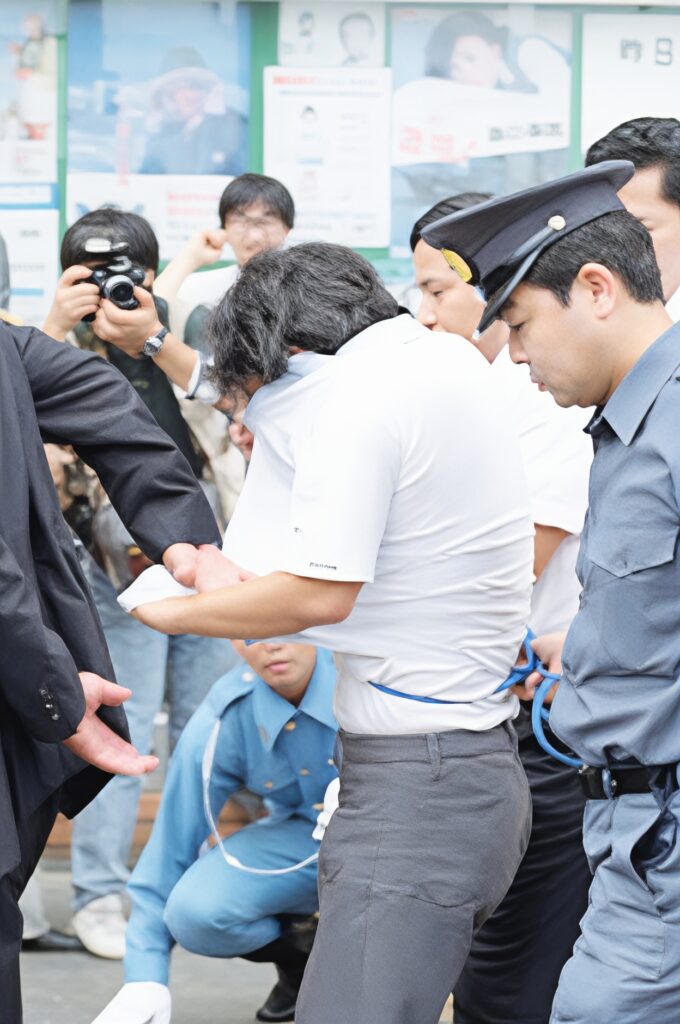
The father charged at Miyazaki and hit him hard. This knocked Miyazaki to the ground. Miyazaki could not fight back then. He got up fast, broke free from the angry father’s grip, and ran off naked on foot.
The father called police at once. He told them what happened and described the man. Officers came to the park and searched the area. About an hour later, Miyazaki came back for his car.
He forgot that police officers might be there. The father spotted him again and pointed him out. This time, Miyazaki could not escape.
Officers arrested him on the spot. Later, they searched Tsutomu Miyazaki’s home and found proof of his crimes. He had not only killed but also recorded what he did.

In his room they found photographs and videotapes of his victims. These clips showed the girls before and after their deaths. Even more disturbing was what they found in his wardrobe.
They found the decaying hands and feet of Mari Konno and body parts of Ayako. There was no doubt in the minds of the police that Tsutomu Miyazaki was the man who had been abducting children from Itsukaichi.
Court Trial and Sentence
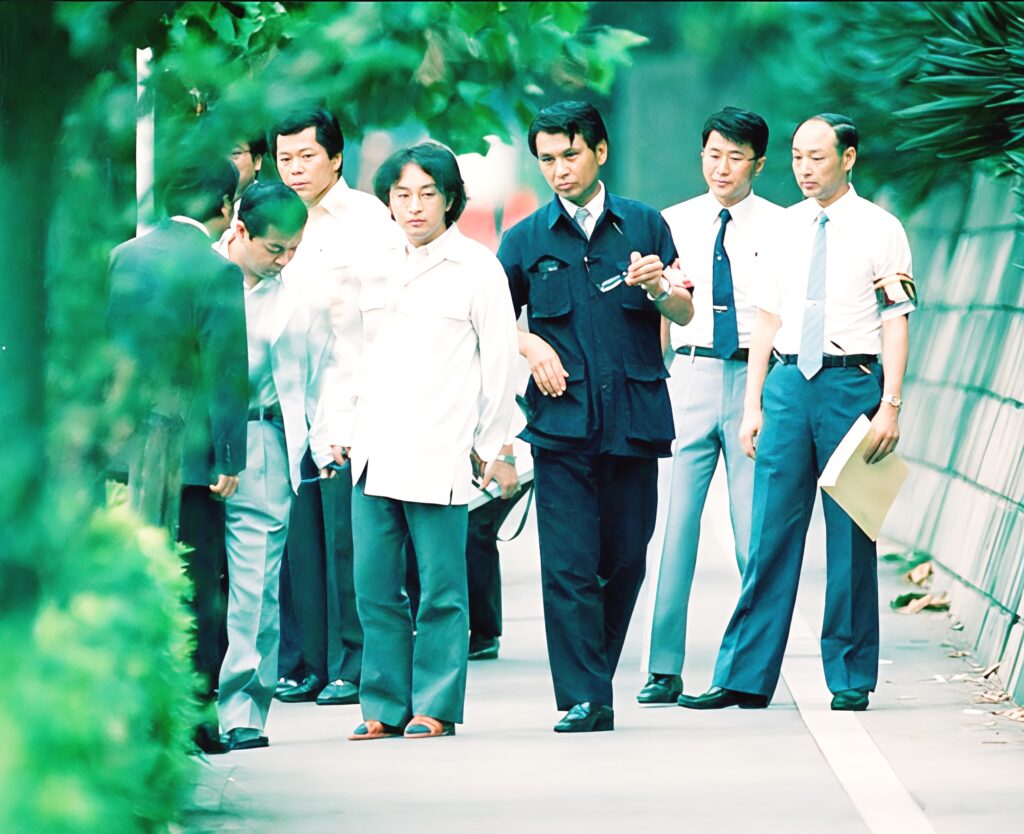
The media lost no time in calling Tsutomu Miyazaki the “Otaku Killer.” This name came from his deep obsession with horror manga and violent erotic anime. He and his parents quickly became targets of public rage.
Newspapers like Asahi Shimbun wrote detailed reports about his sexual attraction to the corpses of children. The media also elicited widespread public horror and international interest by lengthily discussing the grisly deaths of Miyazaki’s four victims.
Tsutomu Miyazaki’s family members had to contend with this sensational media coverage, in addition to helicopters hovering over their home. There was general societal revulsion toward them, because of Tsutomu Miyazaki’s depraved activities.
The then Justice Minister of Japan, Masao Goto, even publicly declared the death penalty to be ‘insufficient’ for such atrocities. Tsutomu Miyazaki’s father was deeply shaken by the crimes his son had committed and the public’s reaction to these revelations.
He disowned his son and became deeply depressed. Miyazaki’s father even refused to pay for his son’s legal defense. In 1994, Tsutomu Miyazaki’s father took his own life.
During his trial Tsutomu Miyazaki tried to blame mental disorders for his crimes. He claimed he was not the one who killed the girls, and asserted that his alter ego, “Rat Man,” was the true killer.
His lawyers said he had been diagnosed with Schizophrenia and Dissociative Identity Disorder. They argued that his split mind was not in control when he committed the crimes.
They claimed the “Rat‑Man” side of him was the one who did the murders. The defense tried to paint him as sick and not fully responsible. The court, though, believed he knew what was right and wrong when he killed each of his young victims.
In 1997, Tsutomu Miyazaki was sentenced to death. The ruling came after years of hearings and long legal work. He tried to appeal this death sentence many times. Each time the courts heard his case and turned him down.
They kept the sentence in place and did not reduce it. In the end, he was hanged on June 17, 2008, in Tokyo. He was 45 years old when he died.
Miyazaki’s crimes prompted Japan’s collective acceptance of more proactive child safety policies. The case also triggered the stigmatization of ‘otaku’ culture, and facilitated self-regulatory measures within the anime and manga industry.
This evolved into legal rules under the ‘Youth Protection Ordinance’ in assorted prefectures, limiting access to explicit and violent content for persons under 18.
The Miyazaki case also contributed to the revision and expansion of the ‘Child Welfare Act (Jidō Fukushi Hō)’ and increased penalties for child endangerment.