




“It’s a cold wind blowing, blowing, Wyoming…
…I’ve seen a scarecrow wrapped in wire,
Left to die on a high ridge fence”
There is a particular sort of innocence in believing the world will let you live; and let you live as yourself. Benjamin Franklin once wrote that at twenty, the will reigns. At twenty-one, a small, thin kid from Wyoming should have had enough of it left in him for mundane mornings and college lectures, for ordinary nights that ended with nothing worse than a hangover and a story to laugh about later. He should have had time left for everything else.
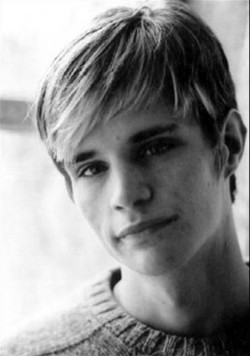
Matthew Shepard Before the Headlines
Before he became a newspaper headline or a law, Matthew Wayne Shepard was like any other young adult with a freckled face and braces, and with a laugh his parents would spend the rest of their lives trying not to forget. “You robbed me of something very precious,” his father, Dennis Shepard, told one of the men who killed him. “I can never forgive you for that.”
An openly gay political science student at the University of Wyoming, in Laramie, Mathew was small in stature (only around 5′ 2”) and, by all accounts, disarmingly gentle. Friends would describe him to be a funny, polite, and intelligent young man, but there was more to Matthew Shepard than met the eye.
In his junior year of high school, Matthew moved with his family to Saudi Arabia, on account of his father’s job. There were no American high schools in Saudi at the time, the American School in Switzerland became his Alma Mater for the remainder of high school. By the time he enrolled at Laramie he spoke three languages and had aspirations to be a human-rights advocate.
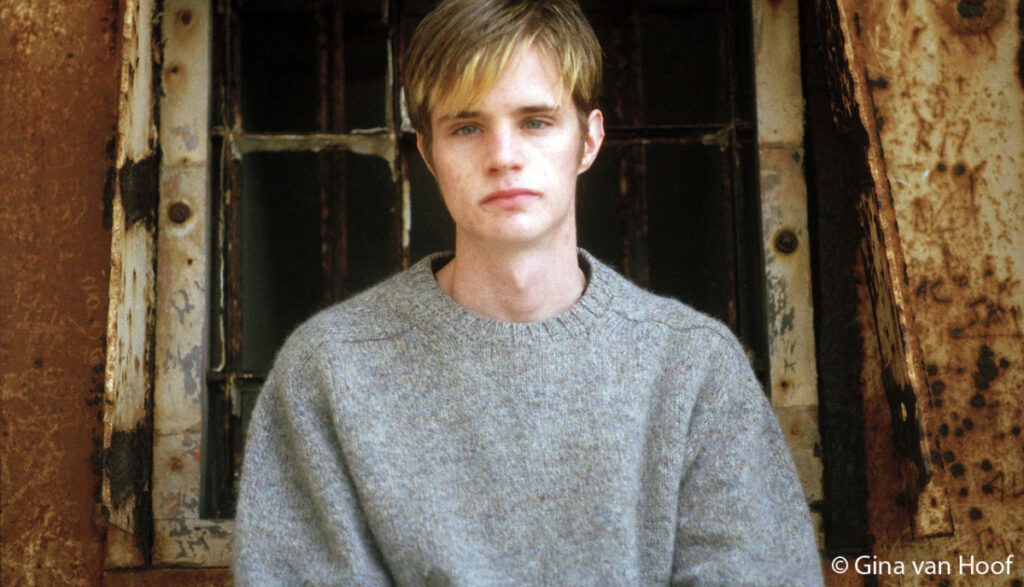
However, all had not been rosy in the Arabian gardens. In 1995, while on a school trip in Morocco, Shepard was kidnapped and brutally raped, a haunting memory that would plague him for the rest of his life. As Shepard’s mother observed, the experience had caused him such crippling depression and anxiety that he went into bouts of withdrawal rather erratically.
The bright and gentle soul that Shepard’s friends knew him to be began to slip away behind the veil of a drug-addled youngster.
The Night at the Fireside Lounge
Laramie is possibly the most liberal town in Wyoming . A town set against an arguably hard state; it was not San Francisco, but neither was it the caricature outsiders would later imagine, of a medieval outpost waiting to devour the first gay boy who wandered too far from the dorms.
That mattered, and it still matters, because Matthew Shepard’s murder would quickly be sensationalized to become a national parable; an allegorical image of a frail, gay student crucified by the American frontier. But it was far more banal than what was shown.
On the chilly evening of October 6, 1998, Shepard was seated at the bar at the Fireside Lounge, Laramie, nursing a bottle of imported beer. Earlier in the evening, Shepard was seen attending a meeting of a LGBTQ student organization at the University of Wyoming.
Just over an hour later, Shepard was approached by two men of similar age, Aaron McKinney and Russell Henderson, high school dropouts who took on odd jobs on a roofing crew. Having bought a pitcher of beer with loose change, they soon struck up a conversation with Shepard, possibly posing as gay men themselves to gain his trust.
After midnight, Shepard left the bar with them. Police and prosecutors would later argue that the pair had singled him out with robbery in their minds, and his eventual police confession, McKinney referred to Shepard with contempt, calling him “a queer,” “the gay,” and “fag.”
McKinney and Henderson drove Shepard east of Laramie, out toward the remote scrub of the Sherman Hills development. By McKinney’s own confession, corroborated in most essential details by Henderson soon after they were beyond the reach of town lights and human company, McKinney told Shepard that neither man was gay, and that he was about to be robbed.
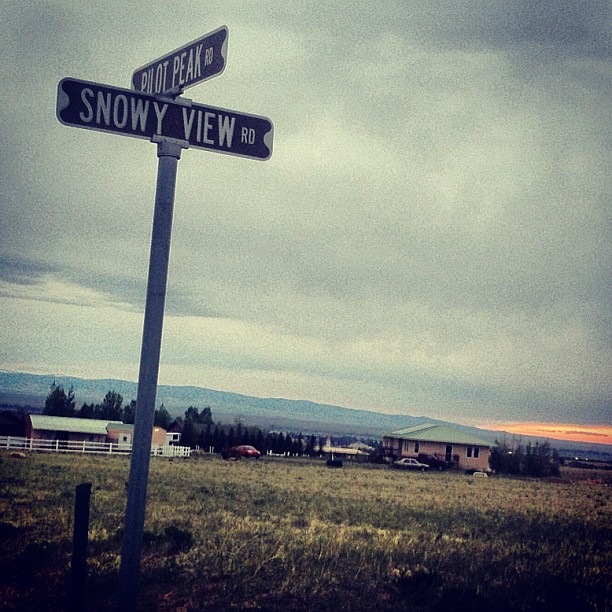
Violence erupted inside the truck. McKinney punched Sheppard, then pistol whipped him with a .357 Smith & Wesson Magnum, before dragging the assault out to a buck rail fence on Warren Livestock Company land. Investigators concluded that Shepard had been struck between nineteen and twenty one times in the head. The final blow was so catastrophic that it had irreparably damaged his brain stem.
The man on the high ridge fence
It was a robbery, yes; but it was not only a robbery. The two men had taken Shepard’s wallet and shoes, and prosecutors framed the crime in part as a planned robbery. Yet the record also makes it difficult to pretend that anti gay hatred was incidental. In his confession, Aaron McKinney referred to Shepard in explicitly homophobic terms, which his defense team later tried to defend by saying Shepard had made a sexual advance that triggered a violent response (the notorious “gay panic” theory, which the judge sharply discarded).
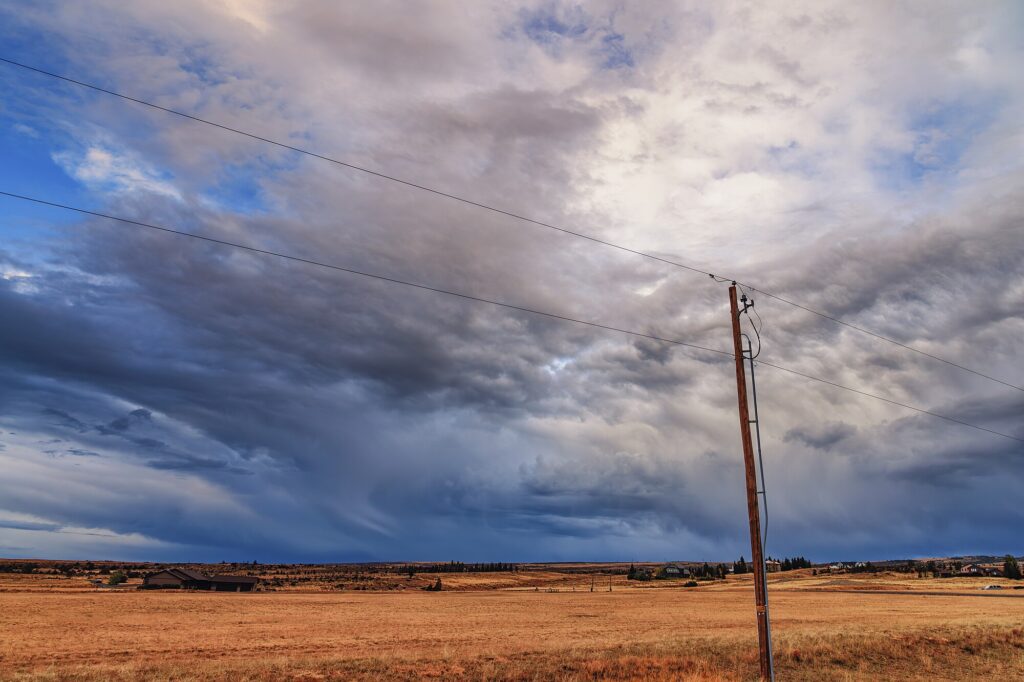
At McKinney’s direction, Henderson bound Shepard’s wrists with white clothesline taken from the truck and left him there, unconscious, and lashed to the fence in the freezing dark. They robbed him of his wallet (which held barely twenty dollars) and his identification, and took his shoes before driving back into Laramie around 12:30 a.m.
Only minutes later, back in Laramie, the two men blundered almost immediately into the beginnings of their own undoing. Mistakenly believing they had returned to Shepard’s neighbourhood, McKinney and Henderson became involved in a confrontation with two young men police suspected of vandalism.
When officers responding to the disturbance arrived, they found Henderson among those fleeing and soon searched McKinney’s truck. Inside, there was Shepard’s identification and credit card, along with the blood spattered .357 Magnum used in the attack.
Both men were treated separately at Ivinson Memorial Hospital in the hours that followed for head injuries sustained in the fight. Over the next day, after leaving the hospital, they met with their girlfriends, Kristen Price and Chastity Pasley, who would later be convicted for helping dispose of evidence and for assisting in the construction of alibis.
Six Days to Life and Death
For nearly eighteen hours, Shepard remained where they had left him tied to the fence, exposed to the Wyoming cold, his body slowly failing beneath the open sky as he grappled with life. Sometime late the next afternoon, a passing mountain biker, Aaron Kreifels, noticed what looked like a scarecrow slumped against the buck rail fence. It was Matthew Shepard. Still alive.
Kreifels ran to a nearby house and called for help, who then called the Sheriff’s office. When sheriff’s deputy Reggie Fluty arrived with paramedics, she later said Shepard’s slight frame made him look, at first glance, like a child. His face was covered in blood, except for the narrow tracks where tears had run down his sallowed cheeks.
He was taken to the local Ivinson Memorial Hospital, where doctors diagnosed that Matthew’s injuries could not be treated with the limited resources available there. Stabilized as well as they could, Matthew was sent sixty five miles south, across the state line, to Poudre Valley Hospital in Fort Collins, Colorado, where he was admitted to intensive care.
Back in Laramie, McKinney, Henderson, Kristen Price, and Chastity Pasley would all soon be arrested. But none of that could alter the more immediate fact that Matthew Shepard lay in a hospital bed with a shattered head, suspended in the thin and horrible space between life and death.
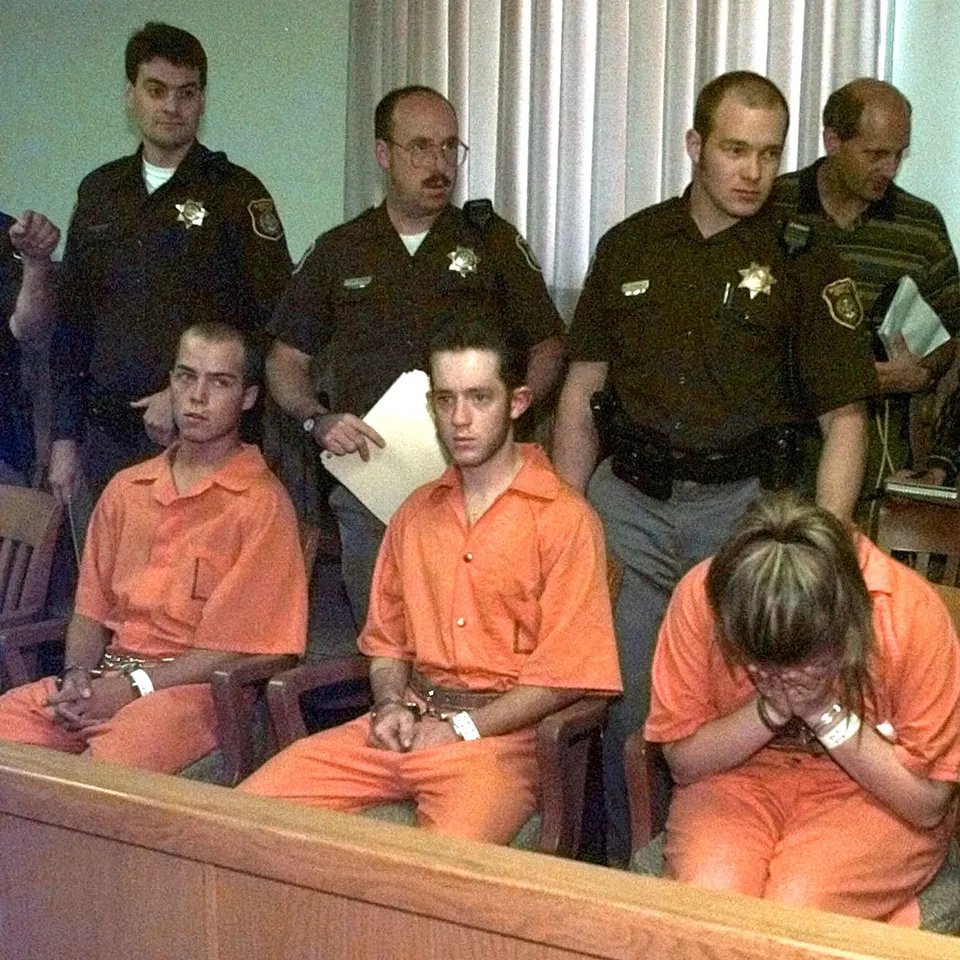
For the next several days, he remained in a coma at Poudre Valley. Half a world away, in Dhahran, Saudi Arabia, Judy and Dennis Shepard received the news every parent prays never to hear. Dennis, working there for Saudi Aramco, and Judy began the long, bewildered journey back to Colorado.
Passing through Minneapolis, at St. Paul airport, the Shepards saw their son’s name staring back at them from newspaper front pages. Before they had even reached his bedside, he had already begun to run rounds across the country.
Matthew Shepard did not wake again to see the blue skies at Wyoming. In the early hours of October 12, 1998, six days after he was beaten and left tied to a fence, he died of his injuries. The charges against Aaron McKinney and Russell Henderson were quickly elevated to felony murder and kidnapping.
The day Matthew died, President Clinton told journalists at the White House,“In our shock and grief one thing must remain clear –hate and prejudice are not American values.”
The Nation Watches
Even in death, there wasn’t much peace for Matthew. His funeral at St. Mark’s Episcopal Church in Casper drew mourners, dignitaries, members of the LGBTQIA+ community with their allies, and hordes of nonchalant people curious to see the ‘dead fag’. International media followed every movement of the case.
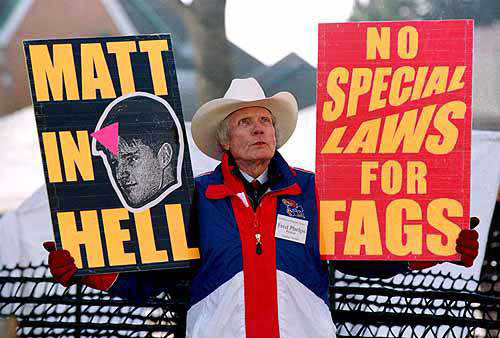
Outside the courthouse in Laramie, where the judicial proceedings were ongoing, protesters from the Westboro Baptist Church arrived with their ritual ugliness and “God Hates Fags” picket lines, led by Fred Phelps, a defrocked minister and disbarred lawyer. It was almost as if the entire country had decided that even in death, a twenty-one year old did not deserve the small mercy of quiet.
Russell Henderson’s case moved first. In April 1999, he accepted a plea agreement that spared him the death penalty in exchange for two consecutive life sentences. Aaron McKinney’s case moved toward trial later that year, but it, too, ended before a jury could come to their conclusion.
After Judge Barton Voigt sharply curtailed the defense’s attempt to invoke the age old, poisonous logic of “gay panic,” McKinney, prosecutors, and the Shepard family reached a similar agreement of two consecutive life sentences, and a promise that he would never profit from public retellings of the crime. Even that promise, like so much else, would not be honoured.
For some, the avoidance of the death penalty felt insufficient; but Dennis and Judy Shepard had no interest in becoming custodians of another death. When Dennis Shepard later addressed McKinney in court, the words carried the force of grief without surrendering to vengeance. “Every time you celebrate Christmas, a birthday, the Fourth of July,” he told him, “remember that Matt isn’t.”
A court transcript of the conversation reads:
“You, Mr. McKinney with your friend Mr. Henderson left him out there by himself, but he wasn’t alone. There were his lifelong friends with him, friends that he had grown up with.
You’re probably wondering who these friends were. First he had the beautiful night sky and the same stars and moon that we used to see through a telescope. Then he had the daylight and the sun to shine on him. And through it all he was breathing in the scent of pine trees from the snowy range. He heard the wind, the ever present Wyoming wind, for the last time. He had one more friend with him, he had God. And I feel better knowing he wasn’t alone.
Every time you wake up in your prison cell remember that you had the opportunity and the ability to stop your actions that night. You robbed me of something very precious and I will never forgive you for that. Mr. McKinney I give you life in the memory of one who no longer lives. May you have a long life and may you thank Matthew every day for it.”
Of the two men, Russell Henderson has, in later years, appeared to gesture toward something like remorse. In a 2018 interview, he suggested that he regretted what happened, though whether that regret was genuine moral reckoning or merely the ramblings of an incarcerated man, it is difficult to say. Aaron McKinney, by contrast, has offered no comparable public remorse.
In 1999, lawmakers debated a hate crime bill that acknowledged violence caused by anti-gay prejudice. After failing in the state House of Representatives in a deadlocked vote twice, it never really came up again in the state. Wyoming never passed a meaningful law addressing hate crimes. In fact, it remained one of a handful of states in America that lacked a law addressing hate crimes. Matt’s memory was all but trodden upon.
A Long Wait
It was only after 11 long years, that things began to look up, (but that wasn’t in Wyoming either) with the Matthew Shepard and James Byrd Jr. Hate Crimes Prevention Act signed by Barack Obama on October 28, 2009. It was a part of the National Defense Authorization Act and became the first federal law that explicitly allows for the prosecution of violent hate crimes based on a victim’s actual or perceived sexual orientation or gender identity.
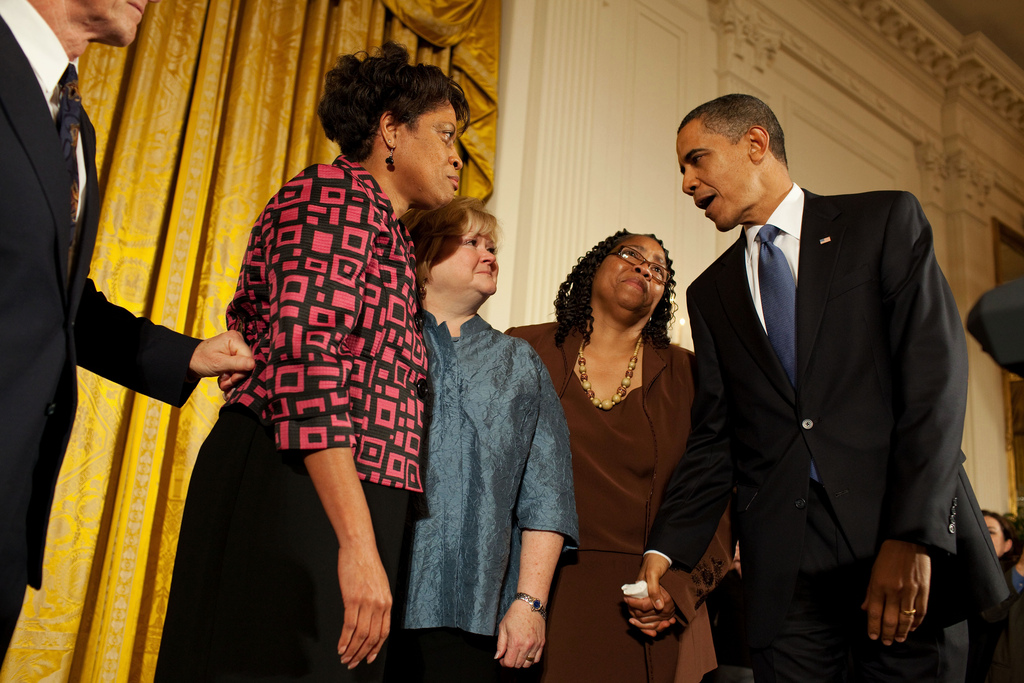
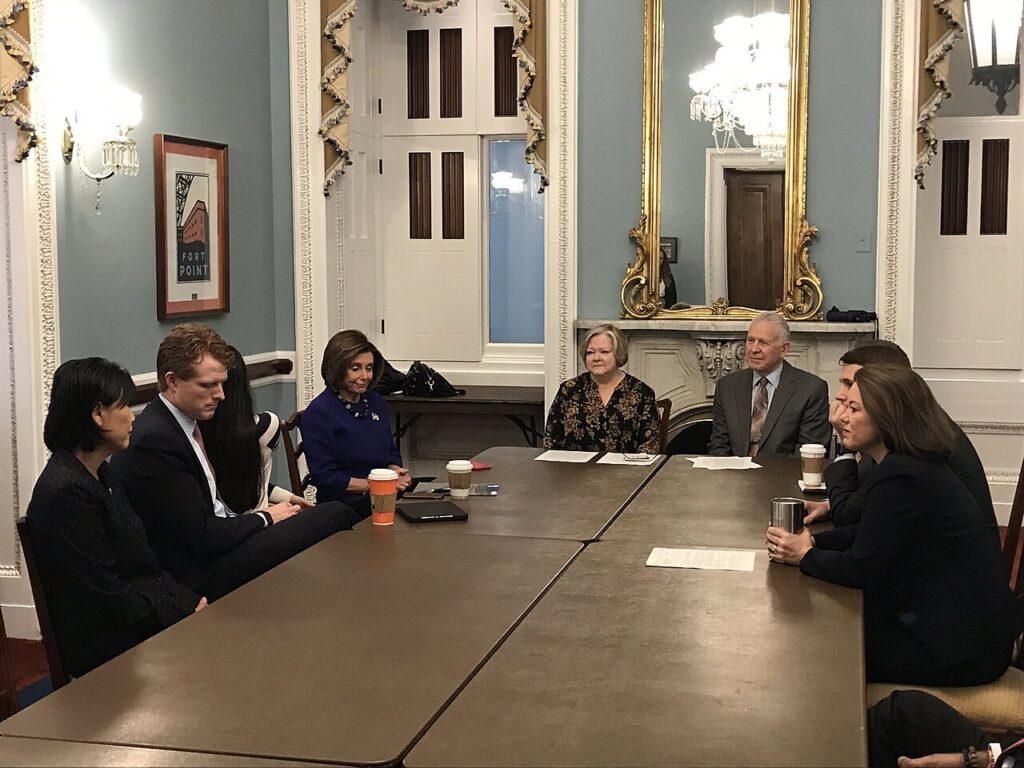
Judy Shepard became one of the most visible and vocal activists for gay and lesbian rights in America, playing an integral part in getting federal hate crime legislation passed in 2009.
The foundation she and Dennis created in Matthew’s name became a way of insisting that the boy bound to a fence outside Laramie would not remain only a symbol of how America hates, but also of how it might yet learn, however slowly, to be ashamed of that hatred.
But regardless of what may have been done so far, can we truly separate the word fag from its meaning? All of us must’ve heard the age old rhetoric of “protecting children,” “family values,” or “religious freedom,” but the fundamental question behind them is, what exactly are gender norms? And what is not the norm?
The Burden of Living
The underlying suspicion in society is painfully familiar, in the fact that queer people are dangerous by virtue of being visible, corrupting by virtue of being ordinary, and undeserving of safety unless they remain quiet. The violence does not always have to be as spectacular as a body tied to a fence beneath the Wyoming sky.
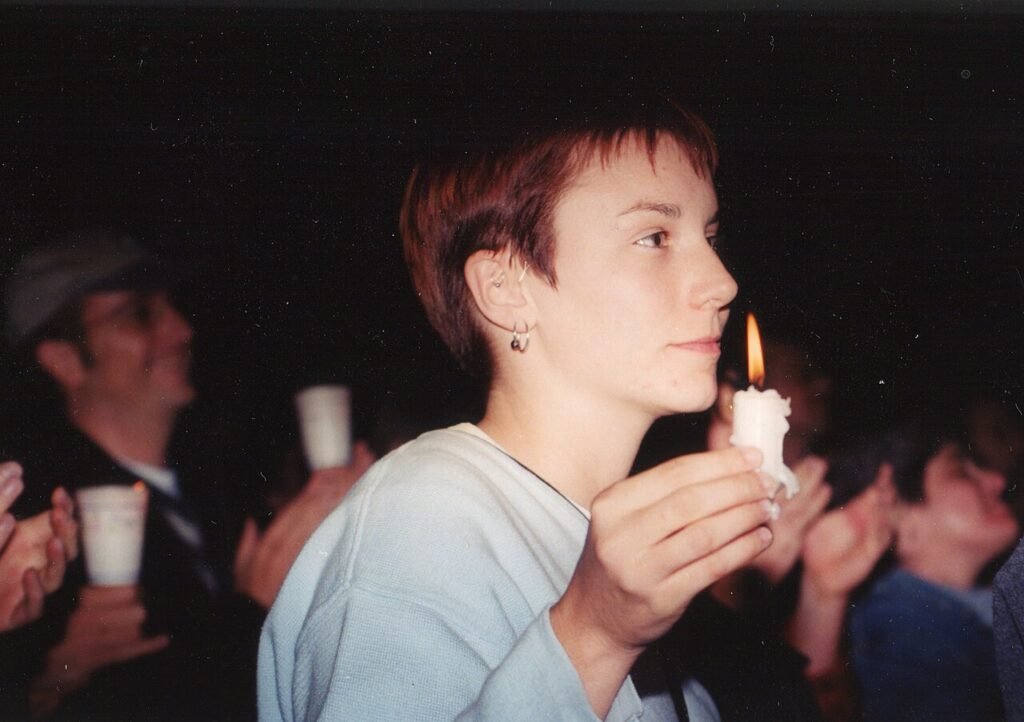
It comes in the form of book bans, school censorship, the blockage of medical care, the policing of bathrooms, the public humiliation of trans children, the endless insinuation that queer existence itself is a social threat that must be eradicated.
Matthew Shepard deserves remembrance, but not reduction, because that would signify the resolution of a problem. The problem has not even begun to be solved. In 2025, federal policies in the USA declared that they would recognize only “two sexes” and directed agencies to treat sex as fixed and binary. The government moved to cut federal support for gender-affirming care for people under 19 and later proposed additional HHS restrictions aimed at blocking access for minors, and sought to bar transgender people from military service.
Like a Candle in The Wind
This brings us to the question, have we really understood Matt Shepard? In 1998, the defence flirted with the old, rotten logic that a gay man’s perceived advance could itself be treated as provocation. In the present, trans people are more often regarded as threats to children, to women’s spaces, to fairness, and to order itself. The accusations of members of the LGBTQIA+ community being an inherent social threat remain.
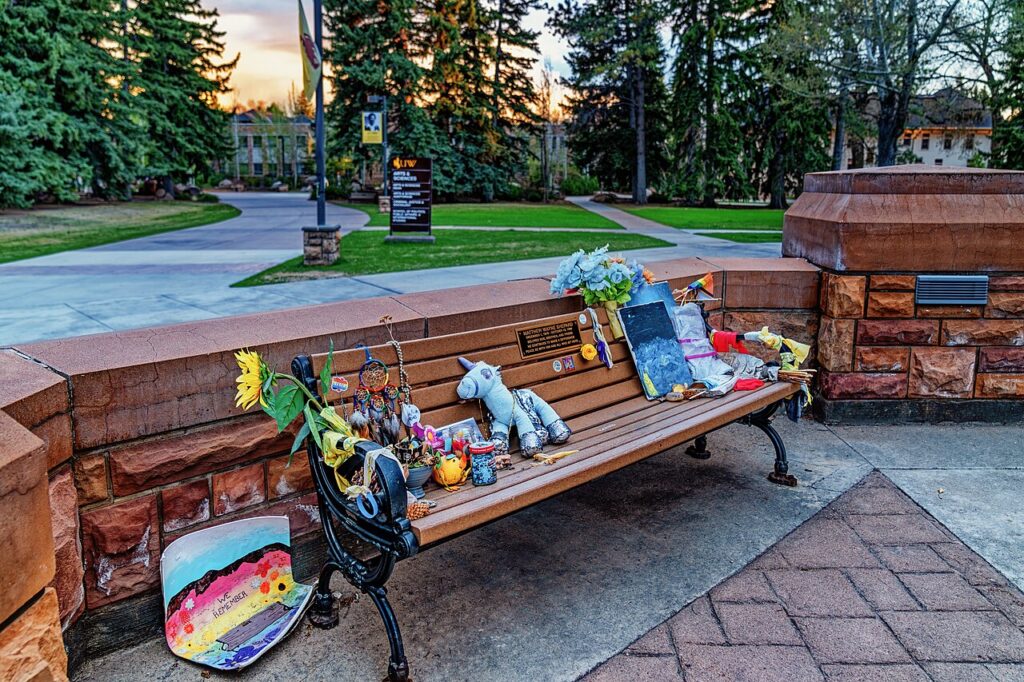
So what, in the end, did Matthew Shepard become for America? Was he a warning, or a relic? A son whose death brought immense pain to his parents, a sainted martyr of the queer community, or a ‘fag’ destined for hell?
Did the country ever truly reckon what killed him, or did it simply mourn him beautifully while coping in the world that made him vulnerable in the first place? Was Matthew remembered as a human being, or only a pretty face on a placard? And if America can still find new ways to make queer life precarious, what, exactly, was the point of all those candles?