




On June 1, 1981, a house maid employed at the Moonlit Hotel in Chicago’s Villa Park estate complained to her manager that there was a nauseating stench issuing from behind the building.
The maid insisted that the smell had grown worse over the past few days. She cajoled the manager to investigate it. The manager was reluctant to do this as it was raining that day.
At the maid’s insistence, he fetched an umbrella and trudged outside. He had expected to find a dead deer. Instead, he found the rotting body of a young woman. He staggered backwards in shock and ran back inside the Moonlit Hotel to phone the police.
He would later find out that he had found the body of Linda Sutton, the first victim of the Chicago Ripper Crew.
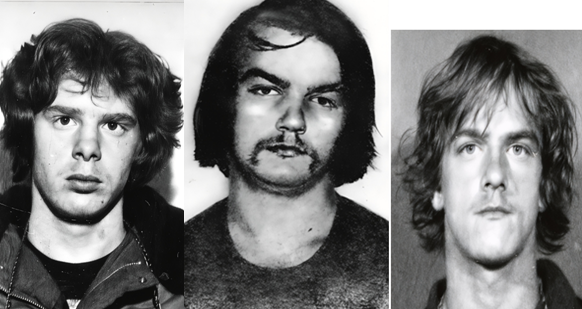
The ‘Ripper Crew’ or ‘Chicago Rippers’ comprised of Robin Gecht led Edward Spreitzer and the two brothers Andrew and Thomas Kokoraleis. Robin Gecht, the leader of the group, once worked in construction for the serial killer John Wayne Gacy.
On separate occasions between 1981 and 1982, these four men raped and killed women, engaged in necrophilia and consumed parts of their victims’ bodies in Illinois.
After the discovery of the mutilated women, the press began to collectively refer to Robin Gecht, Edward Spreitzer, Andrew Kokoraleis and Thomas Kokoraleis as the ‘Chicago Ripper Crew’ because of the torturous acts they effected on their victims.
This group of criminals believed that by killing and cutting up their victims, they would spiritually transfer the murdered women’s life force or energy to themselves.
The formation of the ‘Chicago Ripper Crew’
In the late 1970s, Robin Gecht worked as an electrical contractor for for the convicted serial killer John Wayne Gacy at a construction firm. Even then, Gecht cared more about remaining in charge and exercising absolute power over co-workers than about how society might view his actions.
In 1981, Gecht met Edward Spreitzer through work at an auto body shop that Gecht often visited late at night.
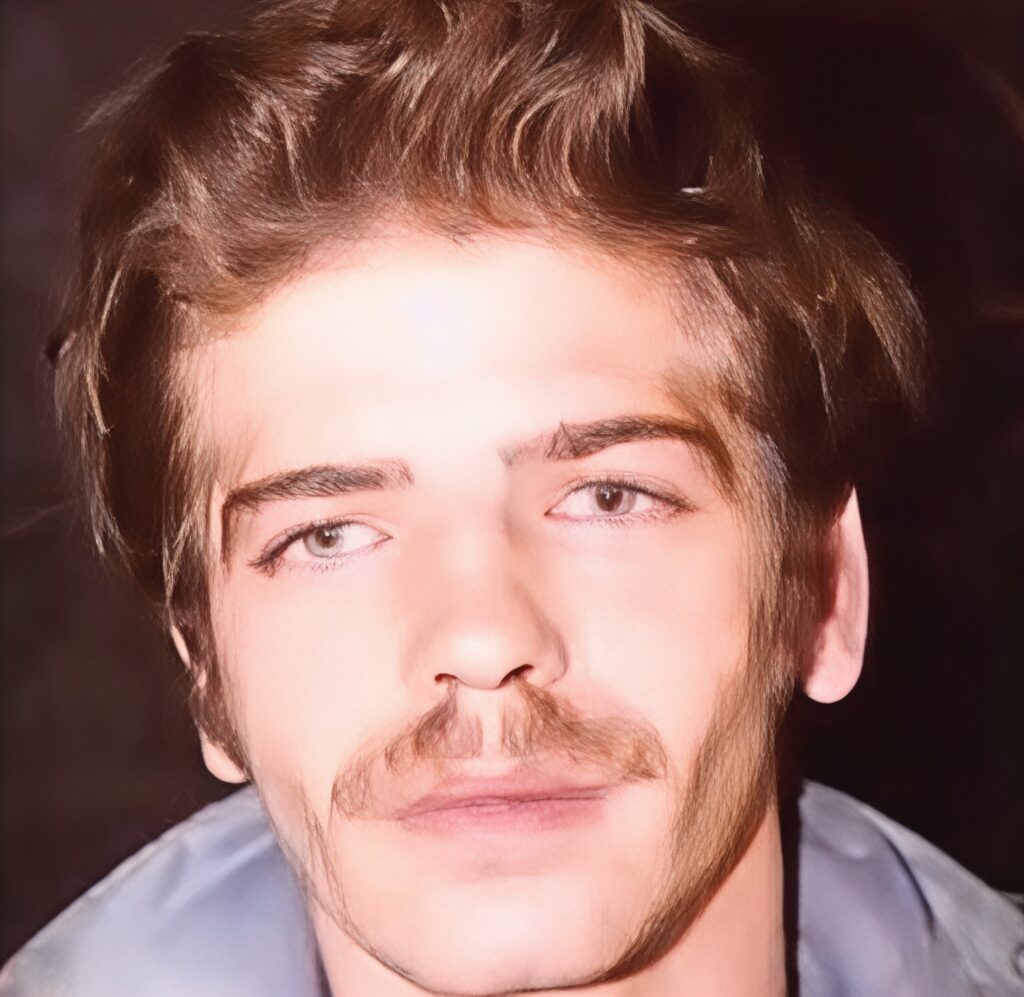
Gecht also met the Kokoraleis brothers, Andrew and Thomas, through shared semi-skilled job networks in Chicago. These men shared an interest in the occult and satanic rituals.
Abduction, Torture and Ritualistic Practices
The Chicago Ripper Crew would go on to kill more than 18 women they abducted from the streets, 5 of whose bodies they desecrated. These criminals typically attacked women in the suburb streets of Chicago within counties like Cook and DuPage.
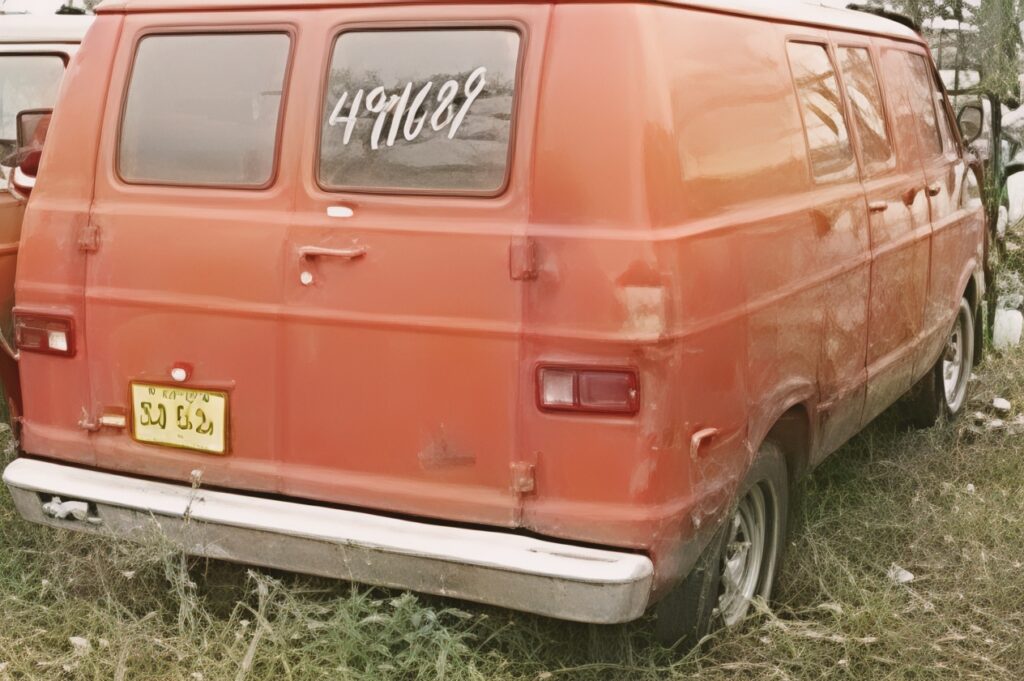
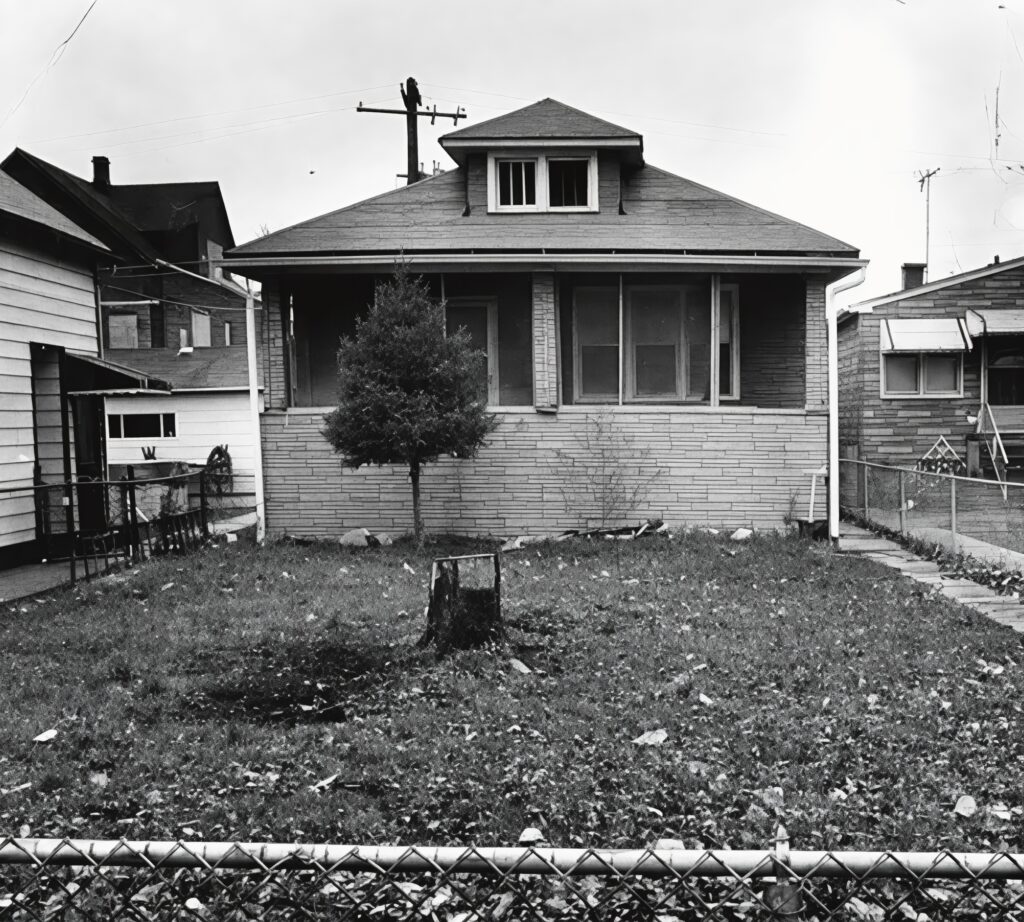
They traveled in a red 1975 Dodge van, and would pull their victims inside the car, tie their hands with cuffs, then drive them to Robin Gecht’s home at 2163 N. Mc Vicker Avenue or other far off places.
There they would take turns raping their victims and then mutilate their bodies. The red van helped them flee quickly and held some evidence of their crimes like dried blood and tied ropes.
The Chicago Ripper Crew typically used wire cutters or knives to cut captured women in specific ways. They cut off one breast from each of five of their victims. Robin Gecht then stored these severed breasts in jars in the attic of his home at 2163 N. Mc Vicker Avenue.
After murdering some of their victims, the Chicago Ripper Crew dismembered their bodies and threw the pieces in forest parks and tree‑filled lots around Chicago. Edward Spreitzer would later state that the group participated in these ritualistic acts following a set order established by Robin Gecht.
After their arrest, Spreitzer and the Kokoraleis brothers would testify that Gecht would be so driven by his dark urges that he would sometimes rape the gaping wounds left after severing the victims’ breasts.
It was, according to Spreitzer and the Kokoraleis brothers, also Gecht’s idea to cook the severed breasts and consume them as a ritualistic act. The Chicago Ripper Crew conducted these diabolical activities at Gecht’s home while chanting at a satanic altar that Gecht had created in his attic.
When police officers investigated Gecht’s house at 2163 N. Mc Vicker Avenue, they found the altar in the attic, blood-stained knives, and other sharpened instruments. The testimonies of survivors like Angel York and Beverly Washington also corroborated these facts.
The Chicago Ripper Crew’s Victims
The Chicago Ripper Crew’s first victim was Linda Sutton, whose body was discovered ten day after she went missing. Police officers found Linda’s dismembered body on June 1, 1981, behind the Rip Van Winkle Motel. The body had cuffs on the wrists and both breasts had been cut off.
The Chicago Ripper Crew abducted real estate agent Lorraine “Lorry” Borowski during the day and right in front of her workplace on May 15, 1982. Her butchered body would be discovered on October 10, 1982. The coroner stated that she had been chopped with an axe.
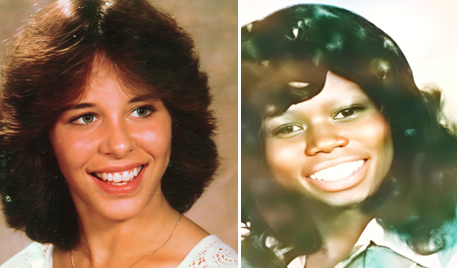
Two weeks after Lorraine was abducted, Shui Mak was reported to be missing. She was last spotted on May 29, 1982, walking near the highway. Her body was found on September 30 just a mile from where she was last sighted. The coroner confirmed that she had suffered a fatal skull fracture.
Within the second half of 1982, the desecrated bodies of Sandra Delaware, Rose Beck Davis, and Carole Pappas would be discovered within Chicago suburbs on August 29, September 8, and September 11 respectively. Investigators would later determine that Sandra Delaware and Rose Beck Davis were victims of the Chicago Ripper Crew.
Over this period, there were several dead bodies of women found around Chicago. These included the body of a cocktail waitress murdered on February 12, 1982 and dumped by the road.
There was also the body of a Hispanic woman found with clear signs of rape, though her name and full story did not receive as much media coverage as the other victims of the Chicago Ripper Crew.
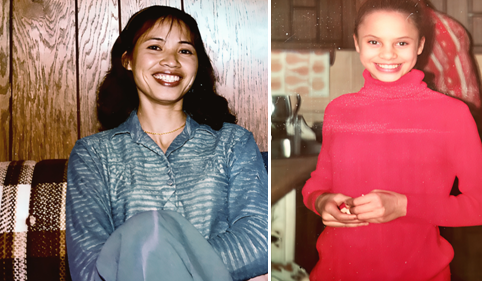
It was the testimonies of women who survived the Chicago Ripper Crew, though, that tied Robin Gecht, Edward Spreitzer, Andrew Kokoraleis and Thomas Kokoraleis to several murdered women whose bodies were dumped in Chicago suburbs between 1981 and 1982.
Angel York testified that she was picked by the Chicago Ripper Crew on June 13, 1982. The four men held her down and slashed her breast open. They then masturbated on the hemorrhaging breast before shoving Angel York from their speeding red van.
The wounds she sustained matched those that had been found on the Chicago Ripper Crew’s dead victims. Beverly Washington, 30, would remember the red van slowing down and Robin Gecht offering her a ride.
Once she was inside, Gecht made her swallow several pills. Then he raped her as she began to pass out. When she was fully unconscious, he cut off one of her breasts and threw her near Chicago’s train tracks.
Luckily, Beverly did not die from blood loss. She woke up dazed to find herself bleeding profusely from a gaping wound where her left breast used to be.
She immediately sought help from a hospital and would go on to give police a long list of details about Robin Gecht, his red van, and what he did to her in it. Beverly Washington’s survival and testimony changed the whole case. Her story enabled police officers to finally link all the recent murders together.
The Arrest of the Four Suspects
On October 20, 1982, Chicago detectives stopped 21 year old Edward Spreitzer who was driving a reddish‑orange Dodge van. It matched the one Beverly Washington had described.
The van, which was registered under Robin Gecht, had three knives and a missing back door handle. The van had no inner handle on the back door, and so could not be opened by victims trapped on the inside.
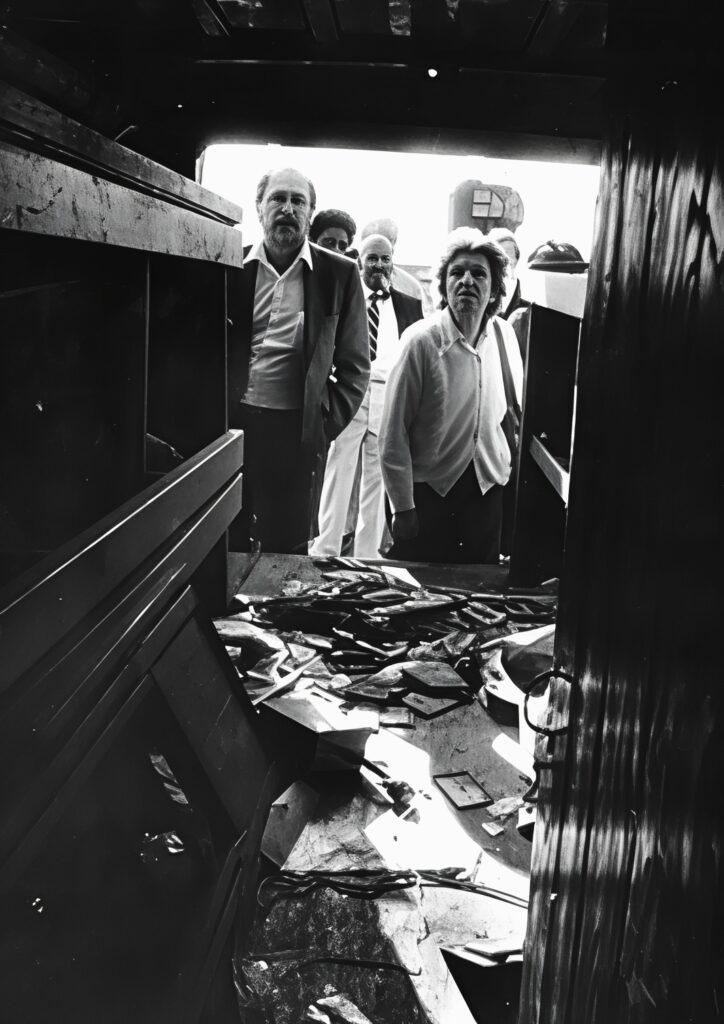
When questioned, Edward Spreitzer named Gecht, and also pointed to the Kokoraleis brothers. Andrew, 19, was arrested on November 7, 1982, at his home in Villa Park. Thomas, 22, was detained on November 12, 1982.
Edward Spreitzer and Andrew Kokoraleis began to confess their crimes almost right away. They admitted to participating in the murders of seventeen women.
Moreover, they put all blame for committing the murders on Robin. They said he pushed them to murder innocent women, and turned their group into a ‘place of horror’.
Edward Spreitzer and Andrew Kokoraleis further expounded that Robin Gecht had a “Satanic Chapel” in his attic where he had compelled them to desecrate their victims. The men told police that they would usually meet at night after Gecht’s wife left for work and his kids were asleep.
They truly felt that Robin was empowered by some dark force, and that he could make them do whatever he wanted. Some of Gecht’s neighbors confided to police officers that they avoided looking Robin Gecht in the eye.
Robin Gecht acted so calmly when he was initially arrested that police thought they might have detained the wrong man. He said he did not know and had never seen any of the women that Edward Spreitzer said he had killed.
It was Beverly Washington’s testimony that tied him to the murders.
Trial and Sentencing
After long hours of questioning, Edward Spreitzer signed a 78‑page written confession. He was scared of Robin Gecht and told police officers on several occasions that Gecht would kill him if he revealed the whole truth.
On November 19, 1982, Edward Spreitzer confessed to participating in at least 12 murders alongside Robin Gecht and the Kokoraleis brothers. He explained how they used Gecht’s red van to abduct women, and then rape and cut them, sometimes slicing off a victim’s breast with a knife.
He also disclosed that they often dumped their victims’ bodies in forests and cemeteries. Spreitzer insisted that he did not like the blood rituals but Gecht would force him to chant and watch as he raped corpses.
In 1986, Edward Spreitzer was sentenced to death for the murders of Linda Sutton, Shui Mak, Sandra Delaware, Rose Beck Davis, and the drug dealer Rafael Toredo. In January 2003, Governor George Ryan transmuted all 167 Illinois death row cases to life in prison.
Spreitzer remains in a maximum‑security jail block to this day. He is kept apart from other prisoners because he is a high‑risk offender linked to more than one murder.
Andrew Kokoraleis had a jury trial in DuPage County. He confessed to 18 murders and gave clear details of various victims that matched the coroner’s reports. He spoke about abducting women like Borowski, Sutton, and Mak, about stabbing them, and about how they used the van.
His lawyer tried to argue that Andrew was pushed into committing the murders and desecrating the victims’ bodies. The lawyer even asserted that police officers had hit and threatened Andrew, and ordered him to say things that were not true.
Police witnesses said those claims did not fit the facts. Andrew’s words stayed the same even when he was not told what the three other Chicago Ripper Crew members had said.
The details matched signs that the public did not know, like how the cuts were made and where the bodies were left. The officers who questioned him said they did not beat or force him to confess anything.
The court ruled that Andrew’s confessions were his own choice, not forced lies. Tests of his mind showed he knew what he was doing, and meant to hurt people. In 1987, he was found guilty for the murders and sentenced to die.
Later, Andrew Kokoraleis changed his statement and said he only killed after experiencing a mental break, a kind of schizophrenia. His appeals to the state Supreme Court and federal courts were all denied.
On March 17, 1999, Andrew Kokoraleis was given a lethal injection at Stateville Correctional Center at 12:30 a.m. After his execution, the then Governor George Ryan of Illinois transmuted all other death sentences in his state to life in prison.
During their separate interrogations, neither Edward Spreitzer nor Andrew Kokoraleis named Thomas Kokoraleis as an accomplice. Moreover, Thomas Kokoraleis admitted to taking part in the killings and Gecht-led satanic rites. He pleaded guilty to the 1982 murder of Lorraine Borowski.
His trial for Borowski’s death ran in DuPage County, and was linked to a deal where he agreed to reveal secrets of the Chicago Ripper Crew in exchange for a lighter sentence. He named his brother Andrew Kokoraleis and Edward Spreitzer as the main orchestrators of the murders.
Thomas was sentenced to life without parole in 1984 for killing Borowski. In prison, mental health staff examined him and said he was not a sexual predator. His IQ was 75, and police officers even felt he was not smart enough to plan serious crimes on his own.
Thomas Kokoraleis was allowed out on parole in 2019. He is still listed in the state register for men who have committed violent sex crimes.
Robin Gecht claimed that he did not know and had never seen any of the women that Edward Spreitzer said he had killed. With no clear proof that Gecht was tied to the murders, officers released him.
When they showed his photo to Beverly Washington, though, she immediately picked him out. When police went to the homes of Gecht’s neighbors, they admitted to being wary of him.
Robin Gecht’s own wife confided to the police that her husband once cut her breast during sexual intimacy, but she was too scared to tell anyone.
When police investigated Gecht’s house, they found the chapel in the attic that Andrew Kokoraleis and Edward Spreitzer had spoken about. They also found the rifle used to kill the drug dealer Rafael Toredo in a ‘murder for hire’ arrangement.
Robin Gecht said he was not directly involved in the crimes, but admitted to owning the reddish‑orange van that was used to abduct women.
The cuts on some victims, like Shui Mak, whose cracked skull and torn clothes were found on September 30, 1982, matched the edges of the knives found in Gecht’s van. Police also found dried breast tissue kept in jars in Gecht’s house.
Robin Gecht’s case trials were held in Cook County Circuit Court. Gecht tried to say he was not guilty by reason of being insane. Mental health experts refuted this claim.
Even with a box of breasts kept as trophies in his attic, police could not prove that he had killed any of the victims. Andrew Kokoraleis, Edward Spreitzer and Thomas Kokoraleis did not assert that Gecht had done the murders though they admitted to being terrified of him.
In the end, Gecht was only found guilty in the rape of Beverly Washington and the attempt to kill her. Robin Gecht was never charged with murder. The only real proof that tied him to the crimes came from Beverly Washington’s attack.
Robin Gecht was sentenced to 120 years in prison. He will be eligible for parole in 2042, when he will be 88. Robin Gecht is currently imprisoned at the Menard Correctional Center.
Warren Wilkosz, the former DuPage County sheriff who worked on the case, once noted that “Gecht would make (Charles) Manson look like a Boy Scout.” Even so, Robin Gecht was the only member of the Chicago Ripper Crew to leave trial with no murder convictions.