Stanford University is perhaps one of, if not the most coveted, institutions in the world. It is a place synonymous with brilliance, innovation and legacy. It has produced some of the greatest names in science, business and beyond these fields. The name in itself carries a heft, the good kind in circles, both academic and professional.
For 19-year-old Arlis Kay Perry, Stanford may have represented exactly that. It tragically also became the place where she brutally breathed her last. The eerie paradox of bloodstains on a glorious legacy still unsettles the University’s history.
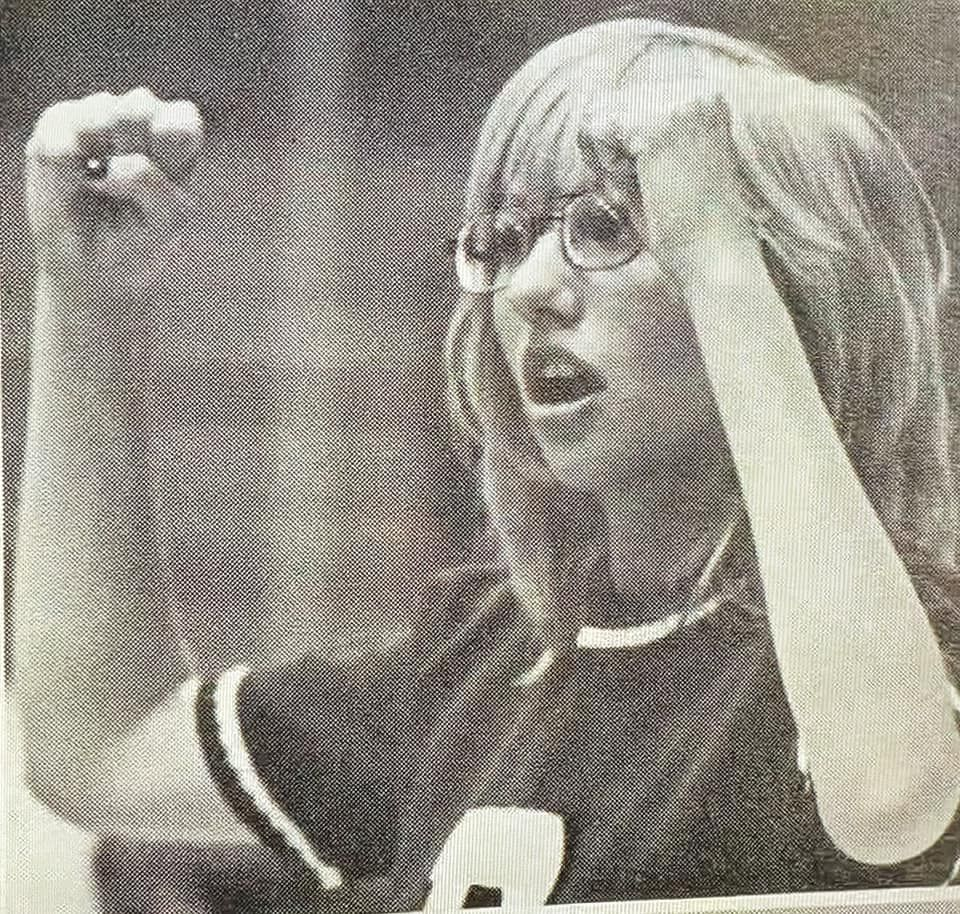
Arlis Kay Perry grew up in Bismarck, North Dakota, where she met Bruce D. Perry in high school. The two dated for a long time before officiating their relationship in marriage.
Their relationship developed over years of knowing each other, based on their shared humble backgrounds from a small town and the comfort of familiarity. Marriage did not appear to be an impulsive, drastic step in their relationship and seemed rather like a smooth progression of their companionship.

Exactly six weeks after their wedding, the couple moved to California and began living on the Stanford University campus.
Bruce was a Sophomore pre-medical student, ambitious and driven to build a future in medicine. Arlis had taken up a receptionist position at a local law firm to help fund their move to a more expensive environment.
The couple lived in Quillen House in Escondido Village, which was an affordable student accommodation and very reflective of their financial and lifestyle situation at the time.
On the evening of October 12th, 1974, the Perrys walked towards a campus mailbox at approximately 11:30 pm, where no remarkable anomalies were observed.
An argument broke out between the couple regarding checking the tyre pressure in their car. It was over something very mundane, but it was enough to upset Arlis, who then told Bruce that she wanted to pray alone at the Stanford Memorial Church.
Arlis had been gone for a while, after which her husband, at first mildly concerned, gradually grew ill-tempered. He contacted the authorities at the Santa Clara County Sheriff’s Office to report Arlis missing, despite her actual condition at the time.
Deputies arrived at the location and found the outer doors locked, with no apparent signs of forced entry. The building appeared to be secure, undisturbed and sealed at the time.
Stephen Blake Crawford, a campus security guard and former police officer at Stanford, stated that he had locked the church shortly after midnight and rechecked the doors at 2:00 am to confirm they were secured and shut.
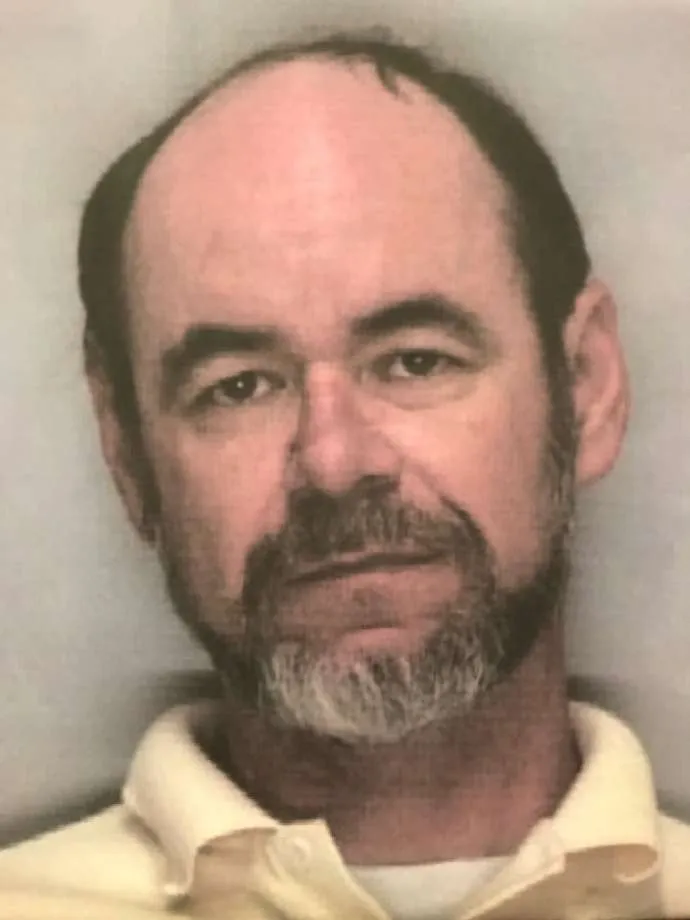
The next day, on the 13th of October, a gruesome discovery was made at 5:45 am. Stephen Crawford discovered Arlis Perry’s body when he went to open the church as he usually did.
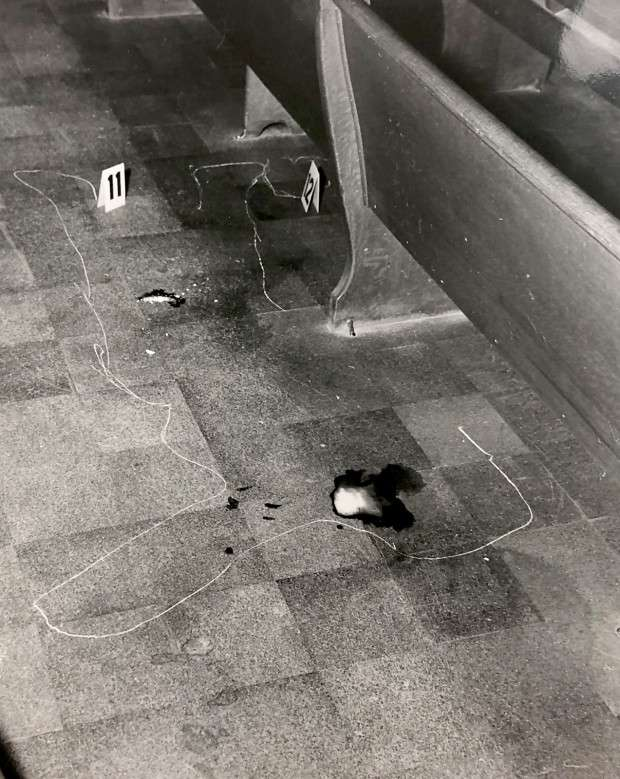
Her body was located near the altar in the Church’s east transept, and she was found lying face up; a scene which could be described as no less than gory and brutal. An ice pick had been rammed into the back of her head, with the handle broken off and missing. In addition, her body was also marked with ligature marks that clearly signalled strangulation.
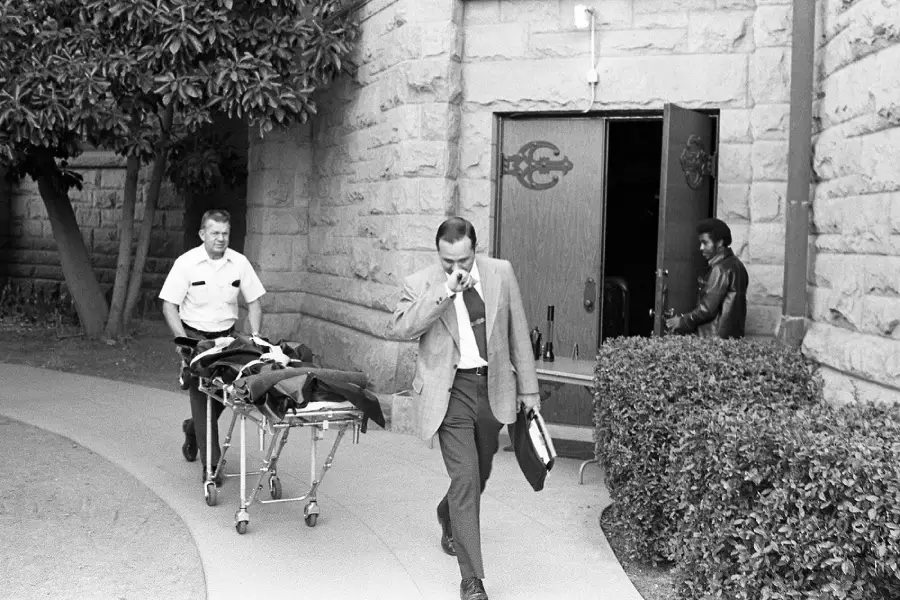
She had been stripped naked from the waist down, and the absence of clothing indicated possible sexual assault. Adding to the gruesome details, a three-foot altar candle had been inserted into her body, with another placed between her breasts.
Forensic officers processed the scene methodically and tried to ensure that evidence of the brutality was preserved. A palm print was recovered from one of the candles.
Traces of semen were found on a kneeling pillow near her body and her Levi blue jeans, which had been removed and then draped over her bare body. The evidence became an imperative part of the investigation, decades after the crime.
At the time of its discovery, though, it wasn’t, owing to forensic limitations on DNA comparison- serological testing did not yield the best results either.
In the nascent stages of investigation, Bruce Perry was considered a primary suspect, as is often the case with cases of unnatural spousal demise. With him, Stephen Crawford was subjected to scrutiny due to the control the man exerted over the security of the church premises.
Both of them provided bodily samples for forensic comparison, but based on the then available forensic analysis, neither the semen sample nor the palm print matched those of the suspects, ruling them out as the same.
The investigators determined that at least seven individuals had entered the church between the late hours of October 12th and the early hours of October 13th. Of these seven, one remained unidentified throughout the course of the investigation, further complicating a conclusion to the case.
A passerby reported seeing a young man around midnight, approximately 5’10, of medium build, with ‘sandy coloured’ hair, who wasn’t wearing a watch. The detail was unusual and peculiar, but it wasn’t specific enough to be used as an identifier.
Around this time, Terry Maury, an investigative reporter, uncovered an unsettling detail during proceedings- someone at Stanford University had taken out a telephone listing under Bruce. D Perry’s exact name.
This discovery caused confusion when Bruce’s mother and a friend of Arlis’ attempted to contact him; the anomaly seemed to be more than a mere coincidence.
In a letter dated September 27th, 1974, Arlis referenced the odd situation, noting that the name was identical to her husband’s and that the timing aligned with their marriage.
In 1979, imprisoned serial killer David Berkowitz inserted his involvement into the narrative by written word. In one letter, he wrote, “ARLISS PERRY, HUNTED, STALKED AND SLAIN. FOLLOWED TO CALIFORNIA.S TANFORD UNIV.”
Berkowitz claimed that he had heard details of the murder from an alleged perpetrator, whom he referred to as “Manson II.” In doing so, Berkowitz essentially brought in an angle of cult involvement- a novel one at that.
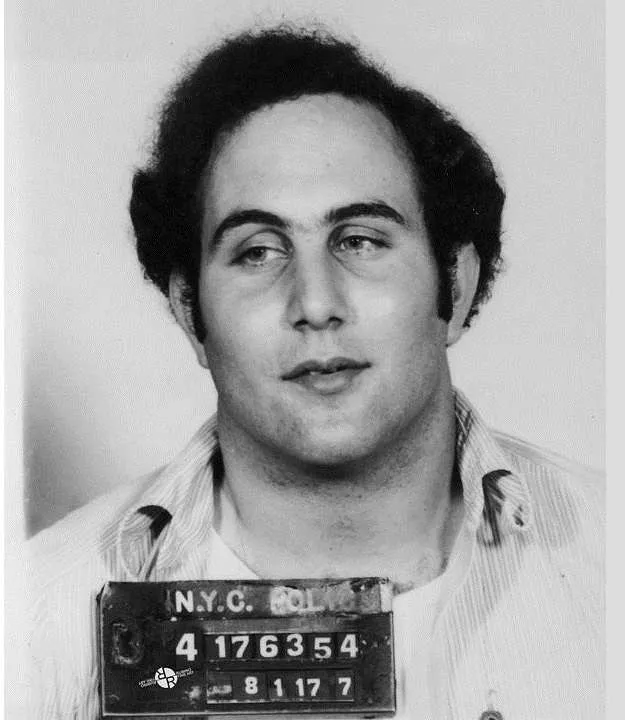
When detectives interviewed a willing Berkowitz, however, they stated that his claims were largely unsupported by evidence.
Despite this, the references made by Berkowitz still fuelled speculation about connections with rituals of a Satanic nature, and the location of the crime being a church might have propelled these theories further.
Even with the passage of decades, the biological evidence from the case has remained preserved, and advances in DNA technology have rendered bits of prior evidence useful now.
For instance, in 2016, new testing was conducted on the semen sample, which had written off the main suspects back in 1974. Refined techniques in the 21st century have enabled the production of a viable DNA profile from forensic evidence.
Investigators recontacted the individuals who had been known to be present at the church on the fateful night, in order to match or eliminate their DNA and fingerprint profiles, thus narrowing down the list of suspects overall. The evidence unanimously pointed towards one man – the last one within church premises; Stephen Blake Crawford.
On the 28th of June, 2018, the Santa Clara County Sheriff’s Department obtained a warrant to search Stephen Crawford’s San Jose apartment. The deputies arrived and informed Crawford of their presence; he then requested time to get dressed, which delayed the investigative proceedings.
The officers, already in possession of a key, chose to enter when they sensed a delay in the procedure and found a dire scene. Crawford was seated on his bed holding a handgun.
The deputies chose to depart to de-escalate the situation and reduce the risk of harm to civilians and the surrounding areas. A loud gunshot was heard shortly after their exit; Crawford had shot himself in the head before he could be taken into custody, tried or incarcerated at all.
A suicide note from two years prior had been found in his residence, indicating that he had contemplated suicide much before, during the initial years of investigation. Authorities stated that the note did not directly reference Arlis Perry or state any confession.
Sheriff Laurie Smith remarked ,”I think he might have believed his time was up”, effectively acknowledging the point of culmination, a result of decades of investigation.
Investigators discovered additional items inside Crawford’s apartment, among which was the torn cover of a book on satanic elements connected to the Son of Sam case, with references to the Arlis Perry murder made.
Also located was a Stanford diploma that had been doctored with Crawford’s name, despite the fact that he had never graduated from the university.
Crawford’s prior criminal history resurfaced thereafter. In 1992, he had been arrested for theft while working at Stanford, wherein campus authorities had accused him of stealing American Indian artefacts, art objects, sculptures and over 200 rare books from departments and libraries at the university.
Crawford’s neighbours later described having observed western artwork and bronze statues inside his apartment.
Court records attest that he pleaded no contest to a separate felony charge of receiving stolen property; he received a suspended sentence of six months, which he served through a work furlough program, followed by two years of probation.
Authorities made it a point to clarify that Crawford’s prior convictions were not linked to the DNA sample that had been used to implicate him in Arlis’ murder. The sample had been collected from discarded items during a later investigation.
Investigators further examined whether Crawford might have been connected to other unsolved murders near Stanford occurring back in the early 1970s. As of 2026, publicly available information does not formally link him to the murders of Leslie Marie Perlov, David Levine or Janet Ann Taylor.
In this tragic turn of events, the young Arlis, whose life was cruelly snatched, shall perhaps never obtain true justice, with the agency of her killer’s fate having been in his own hands as opposed to legal consequences. The motivations and minute details will perhaps never be known, with both the victim and the perpetrator dead.